Who are you making a booking for?
I am making a booking for…
 Back
Back
Whether you're new to the industry or looking to formalise your experience, these industry-recognised training routes guide you from a Diploma through to the NVQ, helping you complete your electrical training.
These courses are for qualified electricians looking to upskill with further electrical training and green technologies.
Choose how you want to learn with our flexible delivery options. Whether you prefer daytime sessions, evening courses around your schedule, live online webinars, or self-paced eLearning, we’ve got a format that works for you.
These courses provide electrical skills for those working under supervision, associated tradespersons and other specialist training
 Become a Qualified Electrician
 BESTSELLER
The 2357 NVQ can be obtained by submitting work-based evidence through an online portfolio. This evidence can be gathered using various assessment methods, including direct observation, witness testimony, and product evidence. Our dedicated NVQ assessment team will conduct on-site visits as part of your assessments.


 QUALIFICATION
City & Guilds 2357 NVQ Level 3 Installation or Maintenance
 ENTRY REQUIREMENTS
City & Guilds 2365 Level 2 & 3 (or equivalent)
Current Wiring Regulations qualification
 DELIVERY METHODS
Online Portfolio
PRICE
QUALIFICATIONCity & Guilds 2357 NVQ Level 3 Installation or Maintenance
ENTRY REQUIREMENTSCity & Guilds 2365 Level 2 & 3 (or equivalent)
Current Wiring Regulations qualification
DELIVERY METHODSOnline Portfolio
PRICE
Our Electrical Training Centres
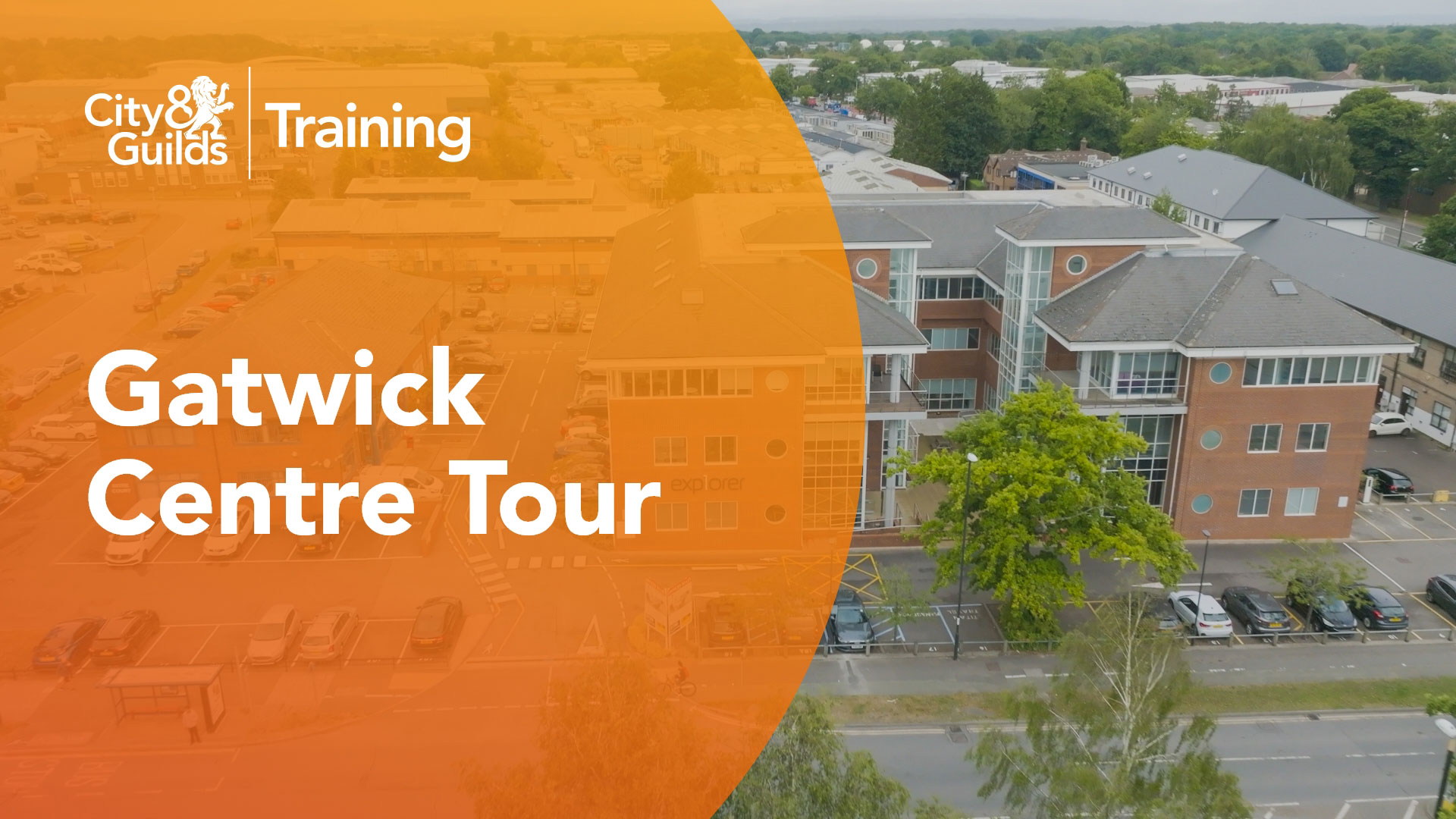
Our Mitre Court and Explorer 2 Facilities are just 2 minutes south of Gatwick Airport. They are comfortable, light and airy environments in which students can learn a wide range of practical and theory based skills.
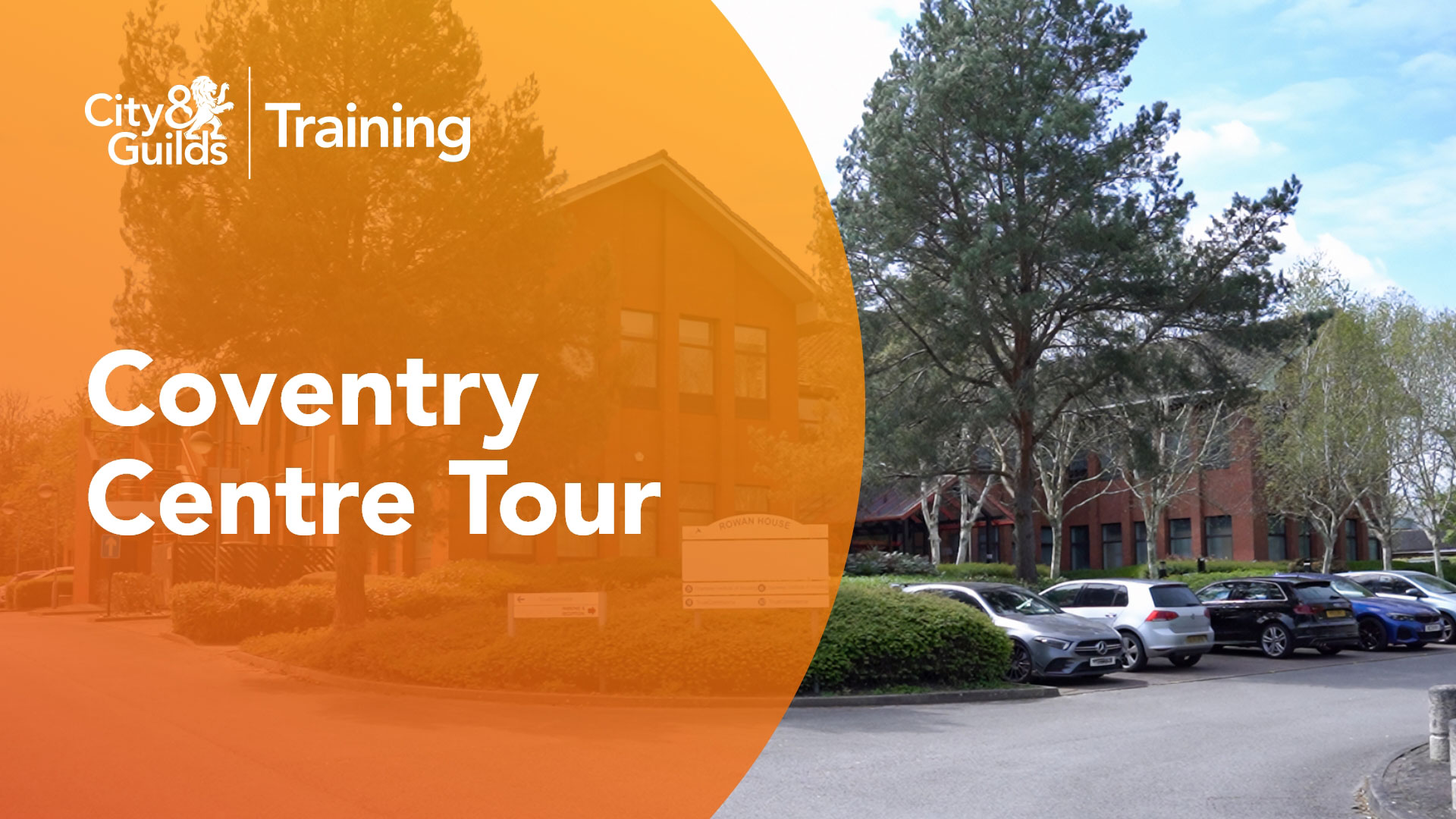
Our brand new centre opened in July 2019 offering a full range of electrical courses for those based in Birmingham, Coventry, Leicester, Northampton and all over the midlands region.
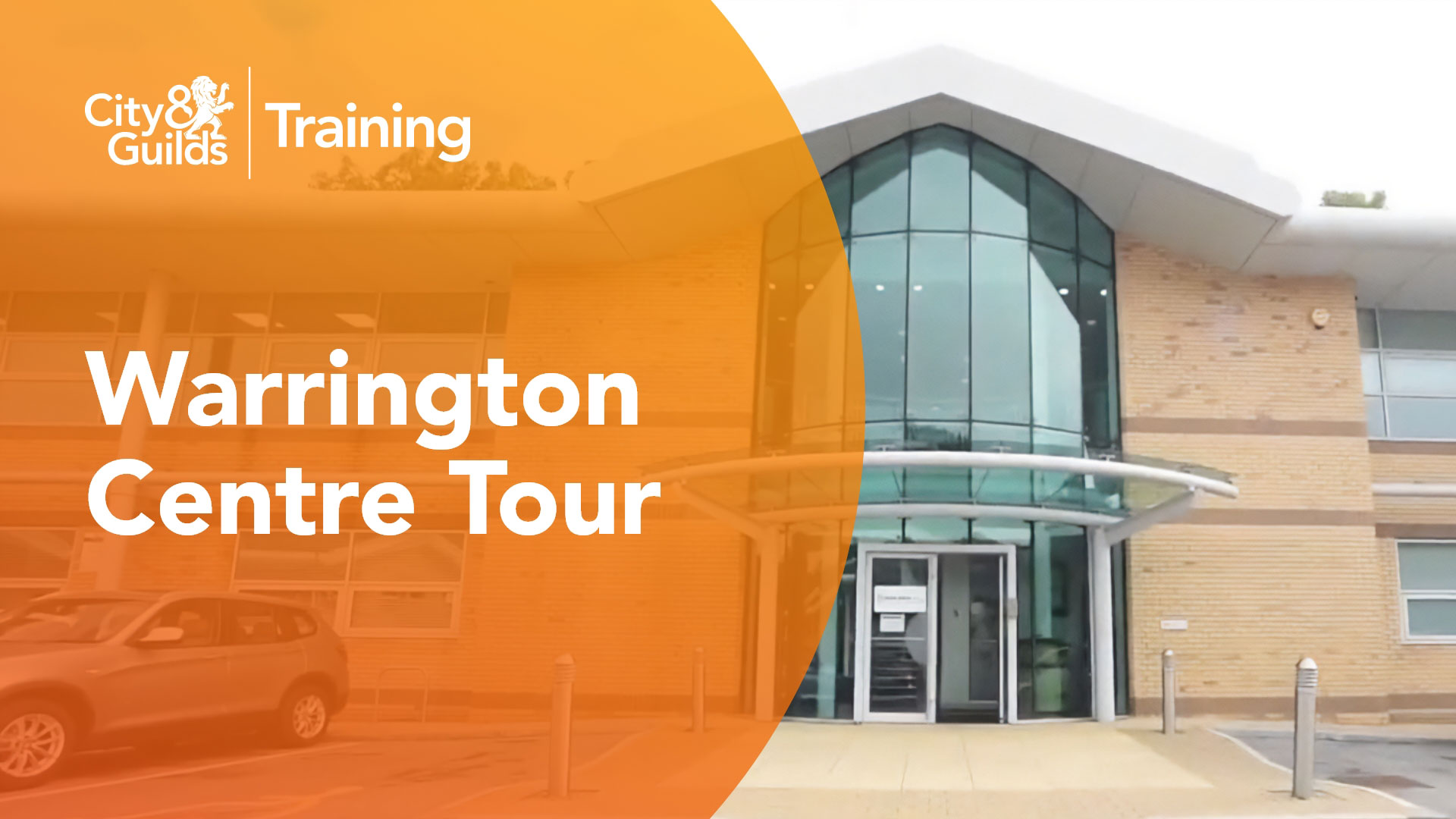
Our North West electrical training facility is situated just off Junction 10 of the M62 at Birchwood Park and is very accessible from towns such as Warrington, Manchester, Liverpool and Chester.
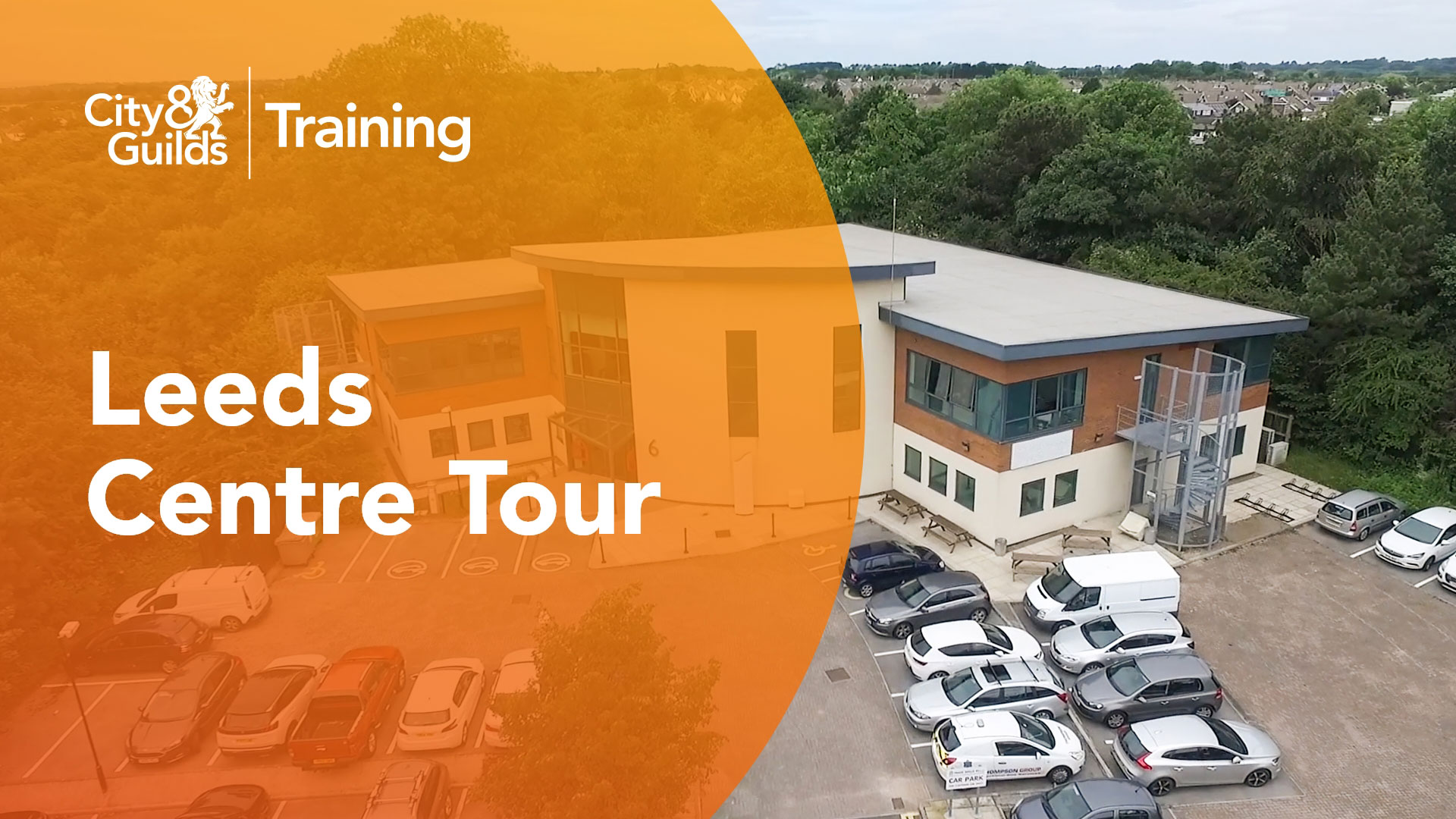
Phoenix House has raised the bar for electrical training centres in the UK. It’s situated east of Leeds, just off of the M1 / A1. This makes it easily accessible from Leeds, Sheffield, Hull, York, Harrogate and all over Yorkshire.
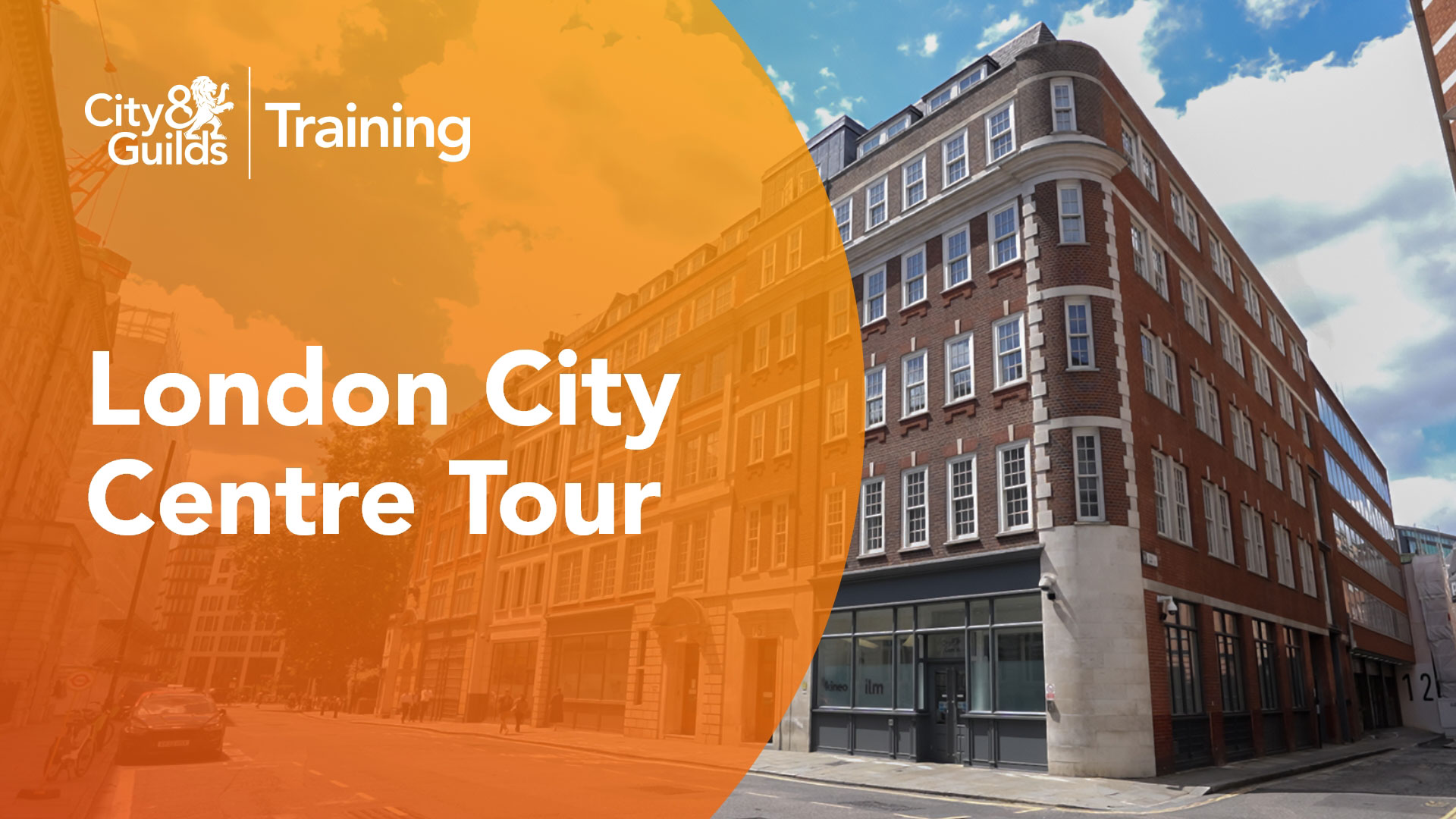
Our central London electrical training centre is conveniently located between Farringdon and City Thameslink stations. We have recently finished an exciting renovation of our London training centre meaning we can now deliver green skills training from London alongside our electrical training courses.
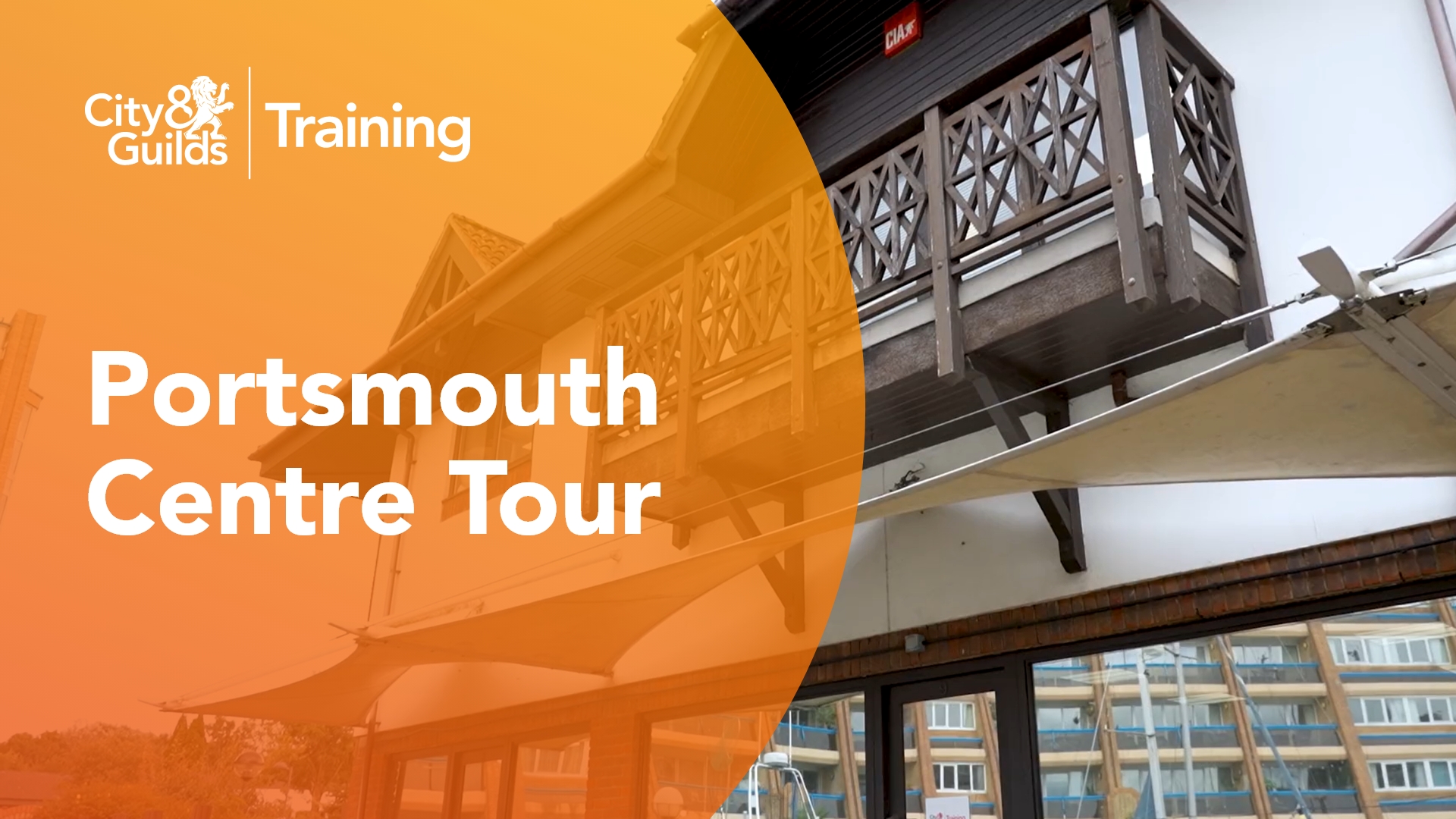
Our Portsmouth electrical training centre is based at Unit 8-10 The Boardwalk, Port Solent, Portsmouth, Hampshire, PO6 4TP.
Situated in the scenic location of Port Solent, our Portsmouth Training Centre offers lots of bright, light spaces to train in.
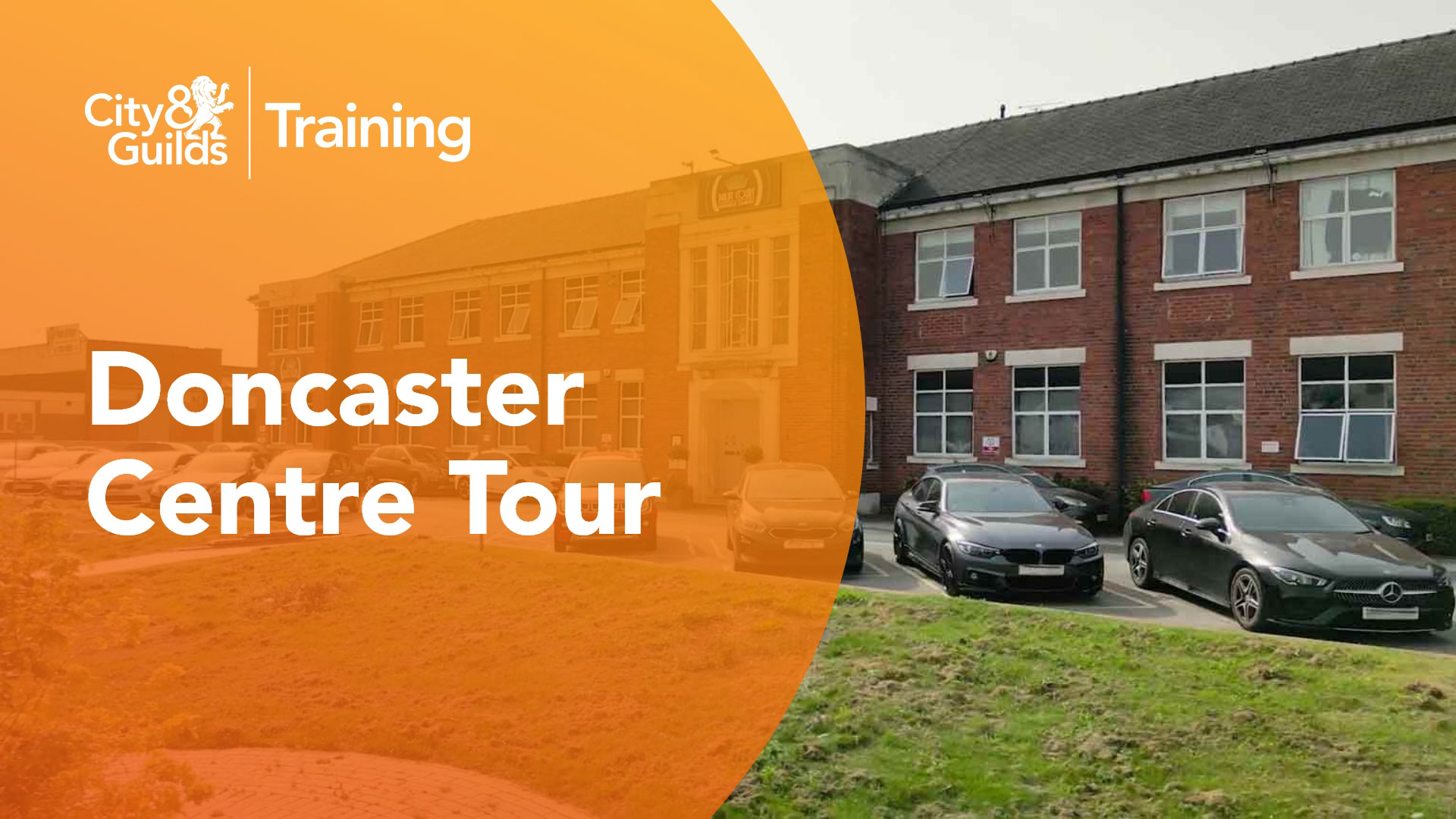
Our Doncaster training centre features bright and airy, multi-purpose training rooms aimed at delivering state-of-the-art electrical training across South Yorkshire.
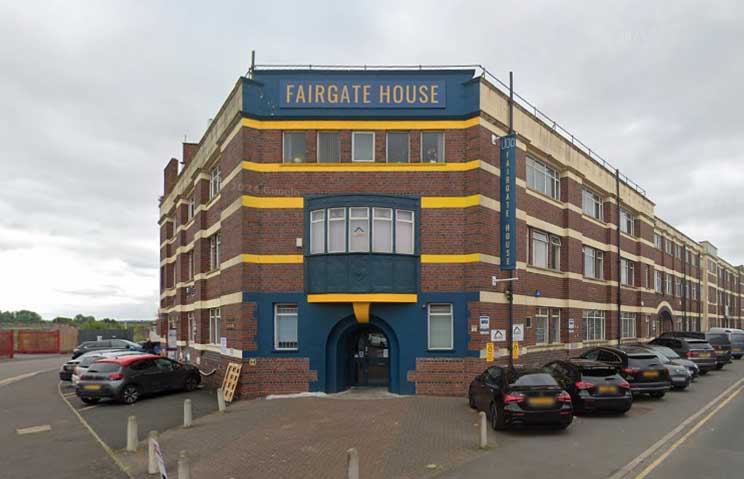
Our Birmingham centre is located at Fairgate House, 205 Kings Road, Tyseley, Birmingham, West Midlands, B11 2AA. With excellent transport links via the M6, M42, and A45, getting here is simple whether you’re commuting by car or public transport.
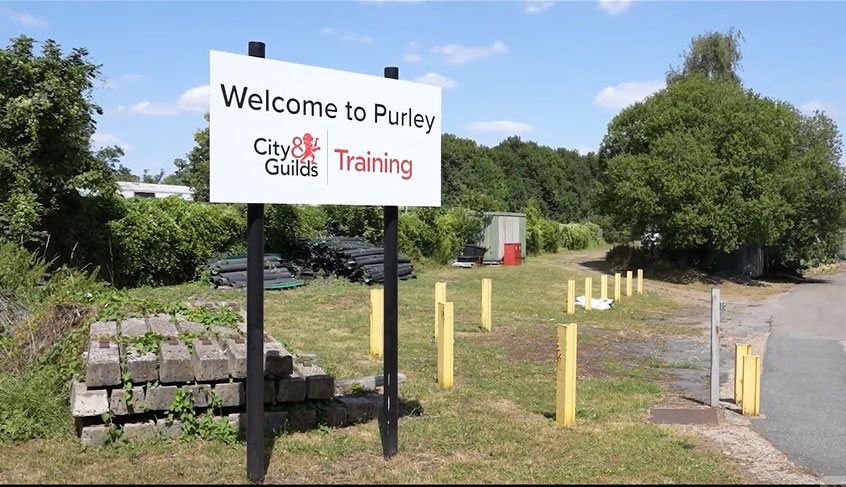
Featuring multi-purpose training rooms, state-of-the art electrical training workshops and training delivered by our in-industry experts our Purley Training centre combines leading facilities and tutors to ensure you learn from the best.
Located at 22–28 Queen Ann Road, Barton Hill, Bristol, BS5 9TX, our Bristol electrical centre is easily accessible via public transport and major road links including the M32 and A4320. We provide the ideal environment for both practical and theory-based learning across the South West of England.

Our Electrical Training Centres
Our Mitre Court and Explorer 2 Facilities are just 2 minutes south of Gatwick Airport. They are comfortable, light and airy environments in which students can learn a wide range of practical and theory based skills.
Our brand new centre opened in July 2019 offering a full range of electrical courses for those based in Birmingham, Coventry, Leicester, Northampton and all over the midlands region.
Our North West electrical training facility is situated just off Junction 10 of the M62 at Birchwood Park and is very accessible from towns such as Warrington, Manchester, Liverpool and Chester.
Phoenix House has raised the bar for electrical training centres in the UK. It’s situated east of Leeds, just off of the M1 / A1. This makes it easily accessible from Leeds, Sheffield, Hull, York, Harrogate and all over Yorkshire.
Our central London electrical training centre is conveniently located between Farringdon and City Thameslink stations. We have recently finished an exciting renovation of our London training centre meaning we can now deliver green skills training from London alongside our electrical training courses.
Our Portsmouth electrical training centre is based at Unit 8-10 The Boardwalk, Port Solent, Portsmouth, Hampshire, PO6 4TP.
Situated in the scenic location of Port Solent, our Portsmouth Training Centre offers lots of bright, light spaces to train in.
Our Doncaster training centre features bright and airy, multi-purpose training rooms aimed at delivering state-of-the-art electrical training across South Yorkshire.
Our Birmingham centre is located at Fairgate House, 205 Kings Road, Tyseley, Birmingham, West Midlands, B11 2AA. With excellent transport links via the M6, M42, and A45, getting here is simple whether you’re commuting by car or public transport.
Featuring multi-purpose training rooms, state-of-the art electrical training workshops and training delivered by our in-industry experts our Purley Training centre combines leading facilities and tutors to ensure you learn from the best.
Located at 22–28 Queen Ann Road, Barton Hill, Bristol, BS5 9TX, our Bristol electrical centre is easily accessible via public transport and major road links including the M32 and A4320. We provide the ideal environment for both practical and theory-based learning across the South West of England.


CALL US
01293 529777OPENING TIME
8.30am to 5.00pm Monday to Thursday
8.30am to 4.30pm Friday
Calling from abroad? +441293 529777
FOLLOW US



 Back
Back