Explainer Video
Electrical Installation Fundamentals Course
 Back
Back
Whether you're new to the industry or looking to formalise your experience, these industry-recognised training routes guide you from a Diploma through to the NVQ, helping you complete your electrical training.
These courses are for qualified electricians looking to upskill with further electrical training and green technologies.
Choose how you want to learn with our flexible delivery options. Whether you prefer daytime sessions, evening courses around your schedule, live online webinars, or self-paced eLearning, we’ve got a format that works for you.
These courses provide electrical skills for those working under supervision, associated tradespersons and other specialist training
 Train in Domestic Electrical Installation
This course is designed to provide a solid electrical foundation for anyone looking to pursue a career in electrical installation—whether through a funded apprenticeship, progressing via the Diploma and NVQ route, or gaining practical electrical skills to secure employment under electrical supervision.
By combining 10 days of practical, in-centre training with interactive eLearning modules, you’ll build essential skills and knowledge to kickstart your electrical career. You’ll develop hands-on skills in electrical wiring and terminations, install electrical circuits commonly found in domestic settings—such as power and lighting circuits—learn essential practices for electrical safety, and strengthen your understanding of core technical principles including cable selection, earthing systems, protective devices, and electrical circuit design.
The programme concludes with the City & Guilds 2392 Level 2 Certificate in Fundamental Inspection, Testing and Initial Verification, giving you a recognised electrical qualification and the confidence to take your next step—whether that’s further study or entering the workplace.


 QUALIFICATION
C&G Training – Certificate of Attendance
(for Practical and Theory Sessions)
C&G 2392 – Level 2 Certificate
in Fundamental Inspection and Testing
 ENTRY REQUIREMENTS
This course is designed for complete beginners, there are no formal entry requirements.
 DELIVERY METHODS
10 Days in-centre plus eLearning
PRICE
QUALIFICATIONC&G Training – Certificate of Attendance
(for Practical and Theory Sessions)
C&G 2392 – Level 2 Certificate
in Fundamental Inspection and Testing
ENTRY REQUIREMENTSThis course is designed for complete beginners, there are no formal entry requirements.
DELIVERY METHODS10 Days in-centre plus eLearning
PRICE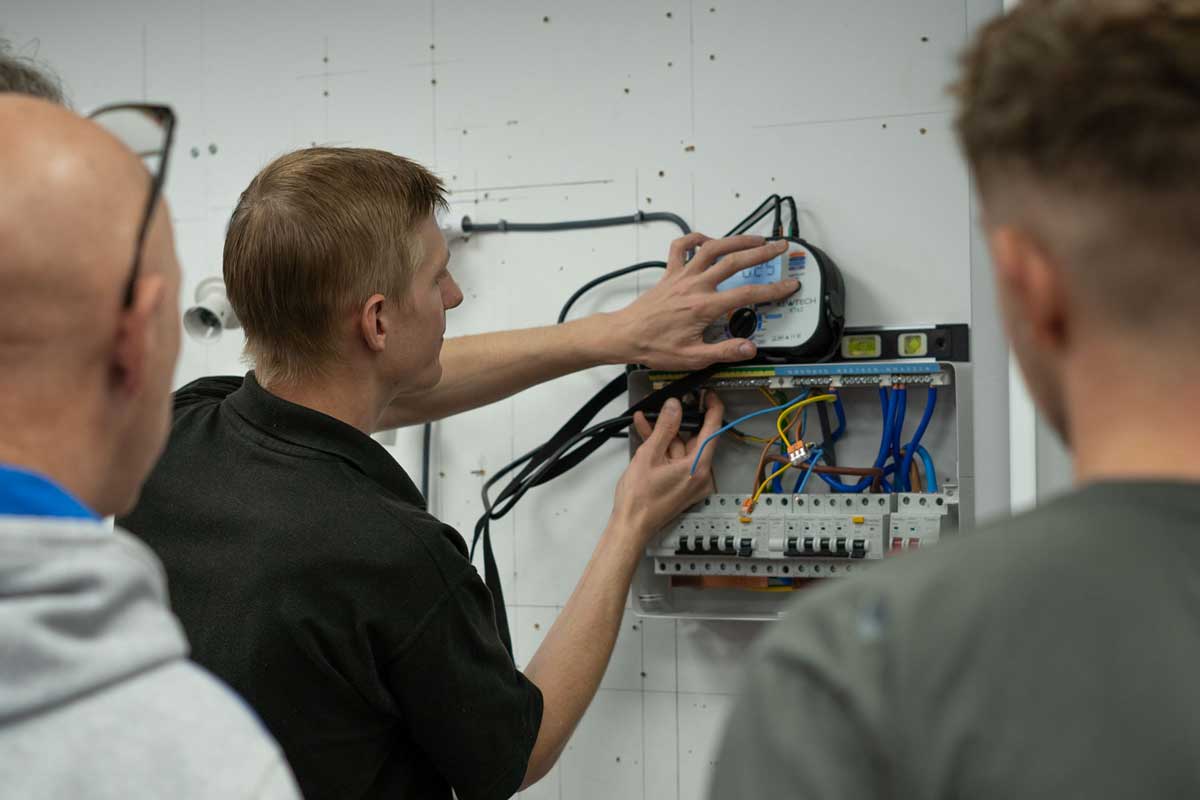
Electrical Installation Fundamentals Course
Kickstart your journey to becoming an electrician with this practical and theory-based foundation course.
Designed for complete beginners or those with limited electrical knowledge, this programme provides the essential skills and understanding for those wanting to pursue further training—such as the City & Guilds Level 2 Diploma (and later Level 3 and NVQ qualifications), or a funded apprenticeship.
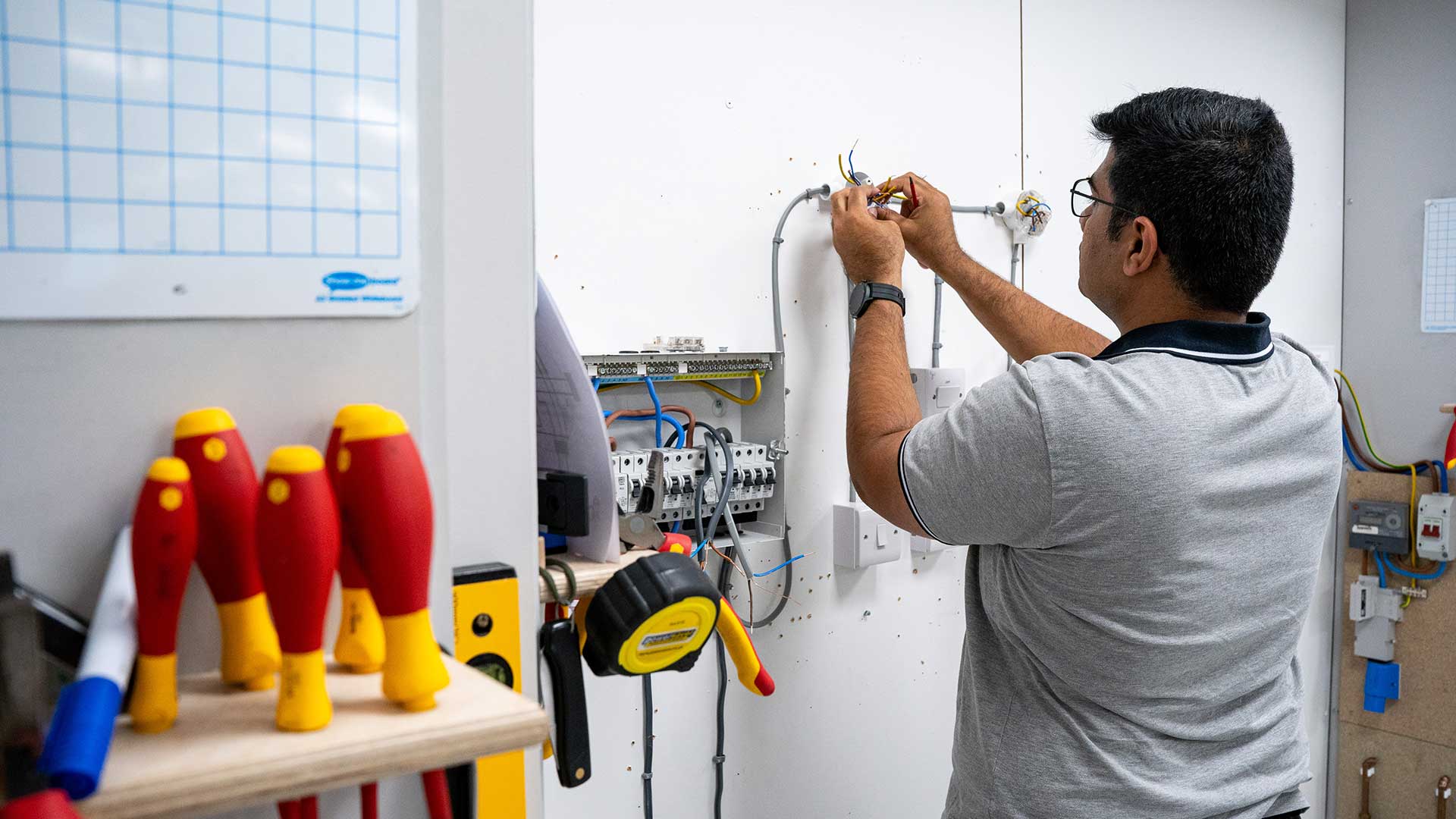
By combining 10 days of practical, in-centre training with interactive eLearning modules, you’ll develop hands-on skills in electrical wiring and terminations, install circuits commonly found in domestic settings—such as sockets, lighting, and cooker connections—learn essential practices for electrical safety, and strengthen your understanding of core technical principles including cable selection, protective devices, and circuit design.
The programme concludes with the City & Guilds 2392 Level 2 Certificate in Fundamental Inspection, Testing and Initial Verification, giving you a recognised qualification and the confidence to take your next step. Learners may choose to continue their training immediately or gain experience working alongside a qualified electrician under electrical supervision as an electrical labourer, building knowledge and skills onsite before progressing further.
Optional bolt-on courses such as Wiring Regulations (C&G 2382), Building Regulations (C&G 2393), and PAT Testing (C&G 2377) are also available to broaden your skills and can be added at checkout when you purchase this course.
 Course Format - Electrical Installation Fundamentals
 This programme is delivered over three weeks, combining practical training, self-study, and assessment to give you a strong foundation in electrical installation.
Your first week is all about hands-on learning. You’ll gain a fundamental understanding of electrical circuits and wiring practices, working with real components and tools.
Key activities include:
Week two focuses on building your technical knowledge through interactive eLearning (approx. 6 hours). Topics include:
Optional Bolt-On: The Wiring Regulations (C&G 2382) course usually runs during this week. This 3-day course can be added at checkout and still leaves time to complete your eLearning. Other bolt-on courses are listed in the tabs below.
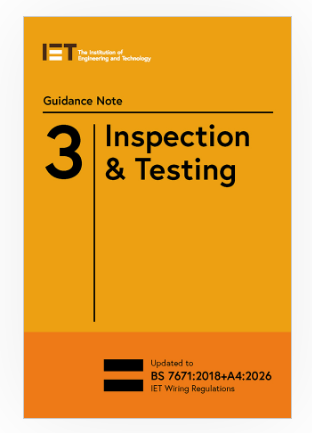
In your final week, you’ll develop essential skills in inspection and testing, culminating in the City & Guilds 2392 Level 2 Certificate in Fundamental Inspection, Testing and Initial Verification.
You’ll learn how to:
This qualification is a key stepping stone for anyone starting out in the electrical industry.
 Boost Your Skills with Optional Add-Ons
Enhance your skills and knowledge by adding one or more of these highly recommended courses to your training package. These bolt-ons provide essential qualifications that complement your foundation training and improve your employability in the electrical industry.
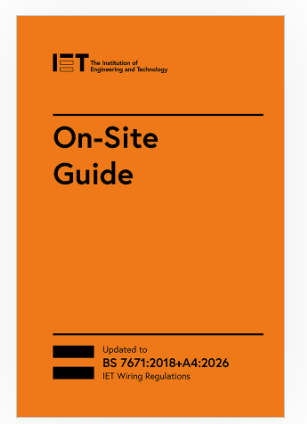
This 3-day, in-centre course usually coincides with Week 2 of your programme. It covers the latest edition of the IET Wiring Regulations (BS 7671), which are the national standard for electrical installations in the UK.
Why consider this course?
This online eLearning course includes the City & Guilds 2393 exam, which can be booked on demand at your nearest training centre.
Why consider this course?
This 2-day, in-centre course focuses on the inspection and testing of portable and fixed electrical equipment.
Why consider this course?
Need advice?
If you’d like to discuss bolt-on courses, bundle options, or confirm dates, please contact our course advisors—they’ll be happy to help.
This course is Step 1 in your journey to becoming a qualified electrician. Here’s how the progression typically works:
An apprenticeship allows you to complete the Diploma and NVQ while gaining real-world experience on-site. Course fees are funded for learners, but you must secure employment with an approved employer.
Some learners choose to work as an electrical labourer after this course, assisting with installation and maintenance tasks under supervision. The skills and knowledge gained here are attractive to employers seeking support staff. You can return to complete your training when you’re ready.
Important Disclaimer This course is not designed to qualify individuals to carry out electrical work unsupervised, including non-notifiable minor works. Anyone undertaking electrical work must comply with statutory and non-statutory legislation and regulations, including:
We strongly advise obtaining core qualifications listed in the EAS Qualifications Guide, comparable to those required for an ECS Gold Card, before carrying out any unsupervised electrical work.
Please note: No qualification or training course has been explicitly approved and/or regulated by the electrical industry to provide competence to carry out non-notifiable minor works.
Whether your goal is to continue training immediately or gain hands-on experience in the workplace before moving forward, this course provides the flexibility and foundation you need to succeed.
Course Format - Electrical Installation Fundamentals This programme is delivered over three weeks, combining practical training, self-study, and assessment to give you a strong foundation in electrical installation.
Your first week is all about hands-on learning. You’ll gain a fundamental understanding of electrical circuits and wiring practices, working with real components and tools.
Key activities include:
Week two focuses on building your technical knowledge through interactive eLearning (approx. 6 hours). Topics include:
Optional Bolt-On: The Wiring Regulations (C&G 2382) course usually runs during this week. This 3-day course can be added at checkout and still leaves time to complete your eLearning. Other bolt-on courses are listed in the tabs below.
In your final week, you’ll develop essential skills in inspection and testing, culminating in the City & Guilds 2392 Level 2 Certificate in Fundamental Inspection, Testing and Initial Verification.
You’ll learn how to:
This qualification is a key stepping stone for anyone starting out in the electrical industry.
Boost Your Skills with Optional Add-OnsEnhance your skills and knowledge by adding one or more of these highly recommended courses to your training package. These bolt-ons provide essential qualifications that complement your foundation training and improve your employability in the electrical industry.
This 3-day, in-centre course usually coincides with Week 2 of your programme. It covers the latest edition of the IET Wiring Regulations (BS 7671), which are the national standard for electrical installations in the UK.
Why consider this course?
This online eLearning course includes the City & Guilds 2393 exam, which can be booked on demand at your nearest training centre.
Why consider this course?
This 2-day, in-centre course focuses on the inspection and testing of portable and fixed electrical equipment.
Why consider this course?
Need advice?
If you’d like to discuss bolt-on courses, bundle options, or confirm dates, please contact our course advisors—they’ll be happy to help.
This course is Step 1 in your journey to becoming a qualified electrician. Here’s how the progression typically works:
An apprenticeship allows you to complete the Diploma and NVQ while gaining real-world experience on-site. Course fees are funded for learners, but you must secure employment with an approved employer.
Some learners choose to work as an electrical labourer after this course, assisting with installation and maintenance tasks under supervision. The skills and knowledge gained here are attractive to employers seeking support staff. You can return to complete your training when you’re ready.
Important Disclaimer This course is not designed to qualify individuals to carry out electrical work unsupervised, including non-notifiable minor works. Anyone undertaking electrical work must comply with statutory and non-statutory legislation and regulations, including:
We strongly advise obtaining core qualifications listed in the EAS Qualifications Guide, comparable to those required for an ECS Gold Card, before carrying out any unsupervised electrical work.
Please note: No qualification or training course has been explicitly approved and/or regulated by the electrical industry to provide competence to carry out non-notifiable minor works.
Course Assessments Throughout the programme, you’ll complete formative assessments during the practical installation workshop to check your understanding and progress. These are informal and designed to help you build confidence and competence.
The only formal assessment is the City & Guilds 2392 Level 2 Certificate in Fundamental Inspection, Testing and Initial Verification, a regulated qualification. This assessment takes place on the final day of the course and consists of two parts:
Successfully completing both parts will earn you the City & Guilds 2392 qualification, an essential credential for anyone starting out in the electrical industry.
Important:

DOMESTIC INSTALLATION WORKSHOP


Here is an opportunity to hear what our students think of Trade Skills 4U across our training centres located throughout the UK. Various students, ranging from Step 01 and Apprenticeship, to Step 04 and Electric Vehicle Charging, describe the facilities, tutors, and courses at City & Guilds Electrical Training.
Check out more testimonials and case studies here.

We understand that some of the courses can be difficult to pay all at once, therefore, on our longer courses you can Pay As You Train, which means you pay week by week interest-free.
Pay As You Train is only available on our longer courses. Typically we will agree on a payment plan with you, where you will pay a deposit, and then pay a set amount 21 days before each class start date.



RELATED COURSES

Beginner
£350.00 (£420.00 inc VAT)
£350.00 (£420.00)


Beginner
£445.00 (£515.00 inc VAT)
(£378.00)

Beginner
£480.83 (£577.00 inc VAT)
Price range: £423.33 through £4,800.00 (£508.00)

Beginner
£637.00 (£755.00 inc VAT)
£580.17 (£696.20)

Beginner
£127.50 (£208.00 inc VAT)
£127.50 (£153.00)

Beginner
£2,445.00 (£2,894.00 inc VAT)
£2,186.74 (£2,624.09)

Beginner
£2,341.00 (£2,809.00 inc VAT)
£2,612.63 (£3,135.16)

Beginner
£459.00 (£545.00 inc VAT)
£459.00 (£550.80)


The course runs over three weeks:
No, it’s not a requirement—you can start the Level 2 Diploma or an apprenticeship straight away if you wish. However, consider your learning journey—the Level 2 Diploma is an intensive programme, and this Fundamentals course is designed to give you essential knowledge and practical experience to help you succeed both in your studies and your future career.
Many learners find that completing this course gives them the confidence and basic skills to apply for work with an electrician. The skills gained can also be attractive to employers who may wish to support you through a funded apprenticeship. Plus, you’ll achieve a City & Guilds 2392 qualification, which adds value to your CV and demonstrates competence in inspection and testing.
Yes, you can choose to skip the Installation Workshop if you feel confident in your domestic wiring skills and only book the Inspection & Testing (I&T) element.
However, please consider this carefully. The Installation Workshop includes associated eLearning that provides a fundamental understanding of technical theory, which is essential for success in the I&T workshop. Unless your experience is extensive, skipping this part may mean missing important knowledge that supports your progression.
The full programme is designed as a strong foundation for beginners and those with limited experience, so attending all sections is highly recommended.
No, this course alone does not qualify you to work as an electrician. It is designed to give you a solid foundation of practical skills and technical knowledge, along with the City & Guilds 2392 qualification in Fundamental Inspection and Testing.
To become a fully qualified electrician, you’ll need to complete further training such as the City & Guilds Level 2 and Level 3 Diplomas, followed by the NVQ and AM2 assessments, or undertake a funded apprenticeship.
Yes! Popular bolt-on courses include:
During the checkout process, you’ll also have the option to add bolt-on courses.
If you’re unsure which options to choose or want to explore bundle pricing, please contact our sales team who will be happy to help. Spaces are limited, so early booking is recommended.
Our Electrical Training Centres
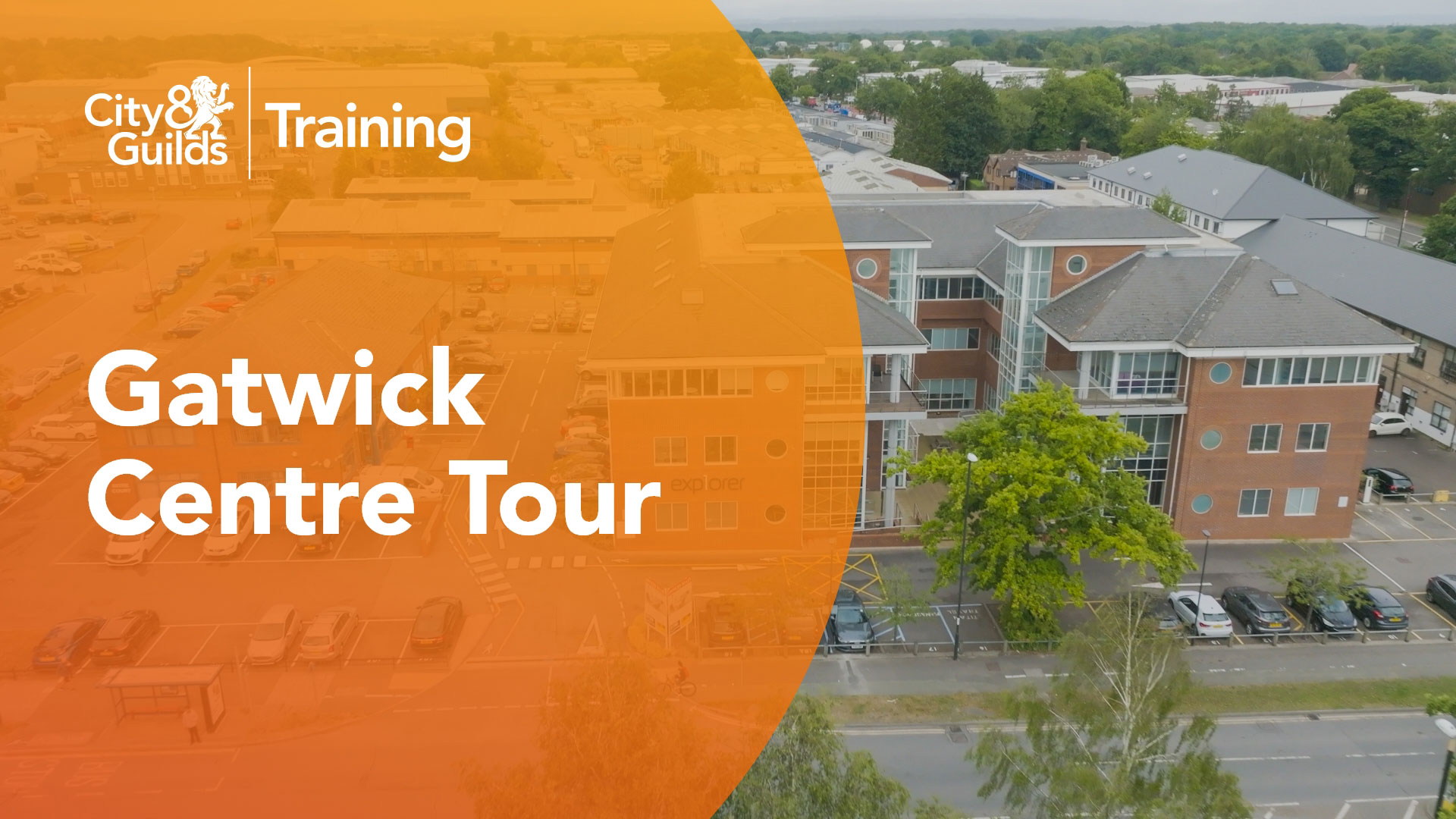
Our Mitre Court and Explorer 2 Facilities are just 2 minutes south of Gatwick Airport. They are comfortable, light and airy environments in which students can learn a wide range of practical and theory based skills.
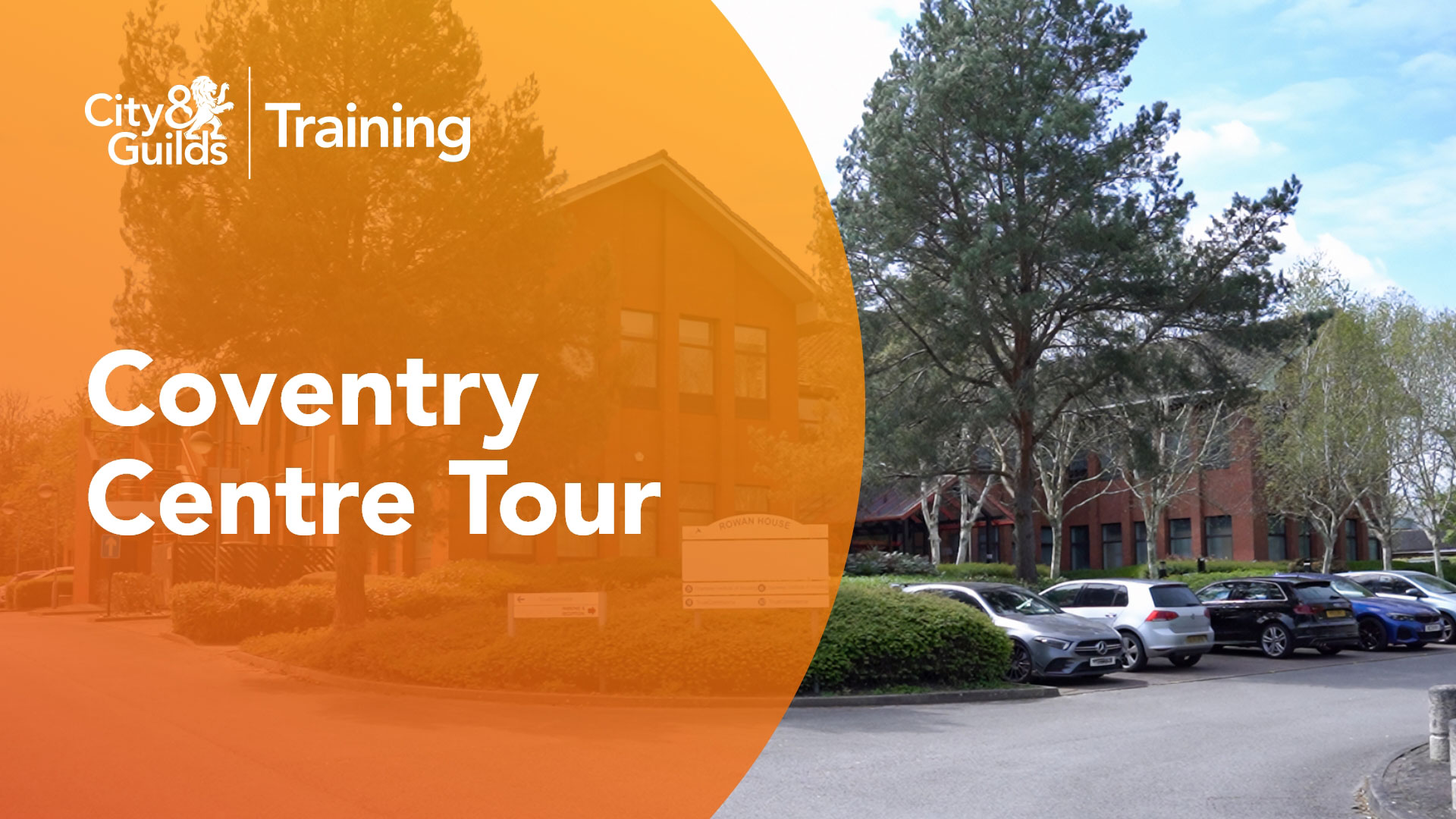
Our brand new centre opened in July 2019 offering a full range of electrical courses for those based in Birmingham, Coventry, Leicester, Northampton and all over the midlands region.
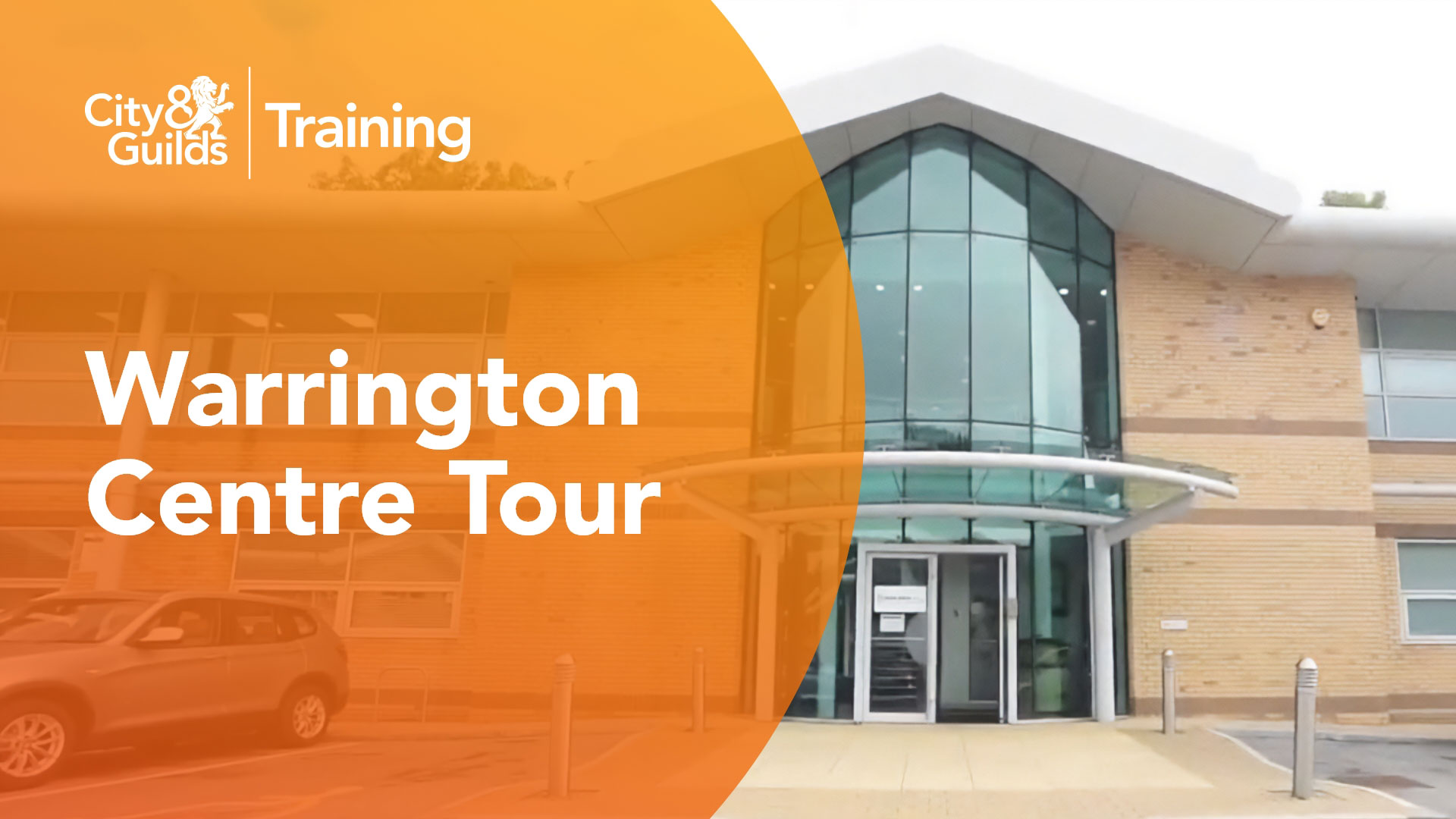
Our North West electrical training facility is situated just off Junction 10 of the M62 at Birchwood Park and is very accessible from towns such as Warrington, Manchester, Liverpool and Chester.
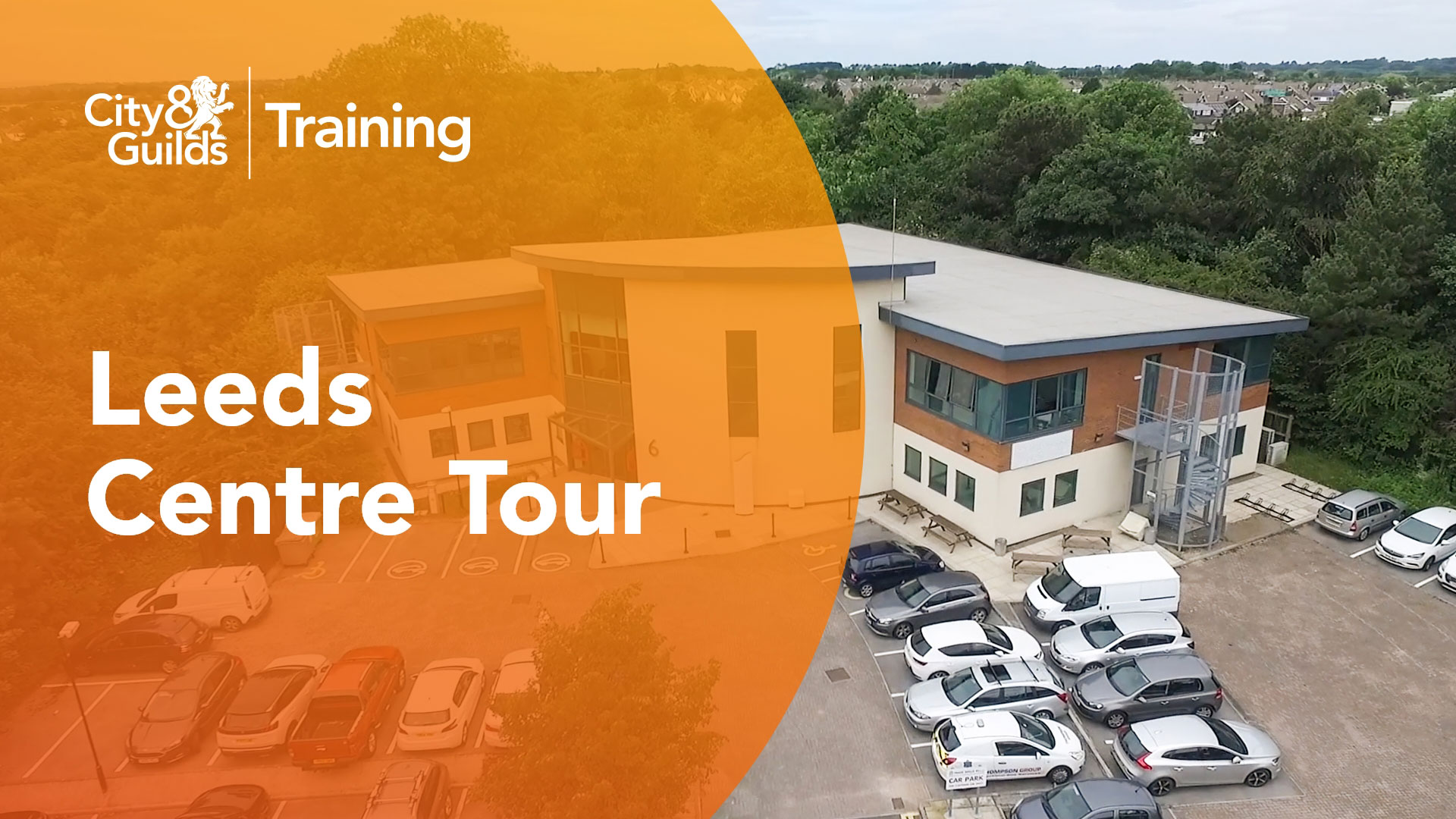
Phoenix House has raised the bar for electrical training centres in the UK. It’s situated east of Leeds, just off of the M1 / A1. This makes it easily accessible from Leeds, Sheffield, Hull, York, Harrogate and all over Yorkshire.
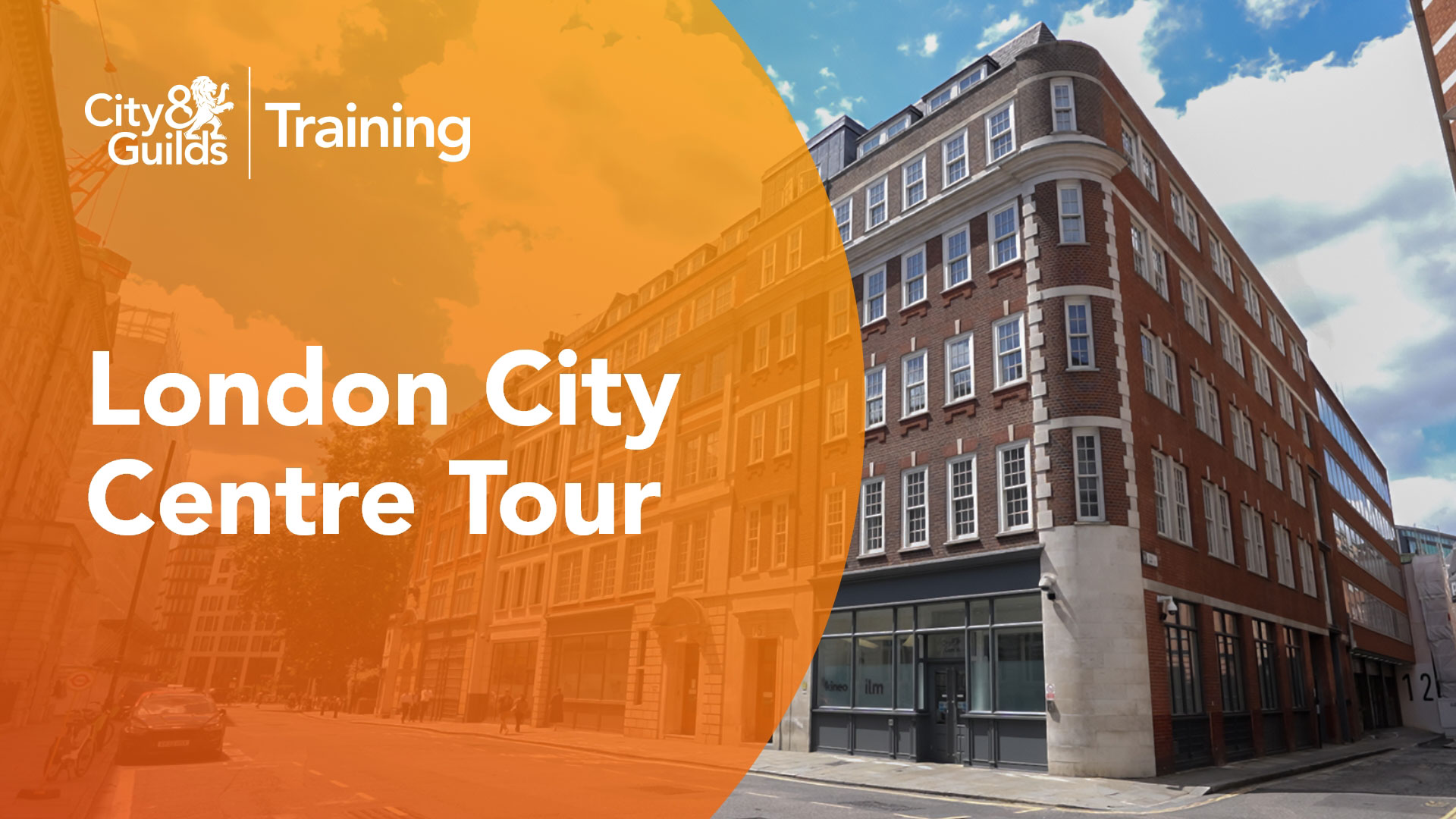
Our central London electrical training centre is conveniently located between Farringdon and City Thameslink stations. We have recently finished an exciting renovation of our London training centre meaning we can now deliver green skills training from London alongside our electrical training courses.
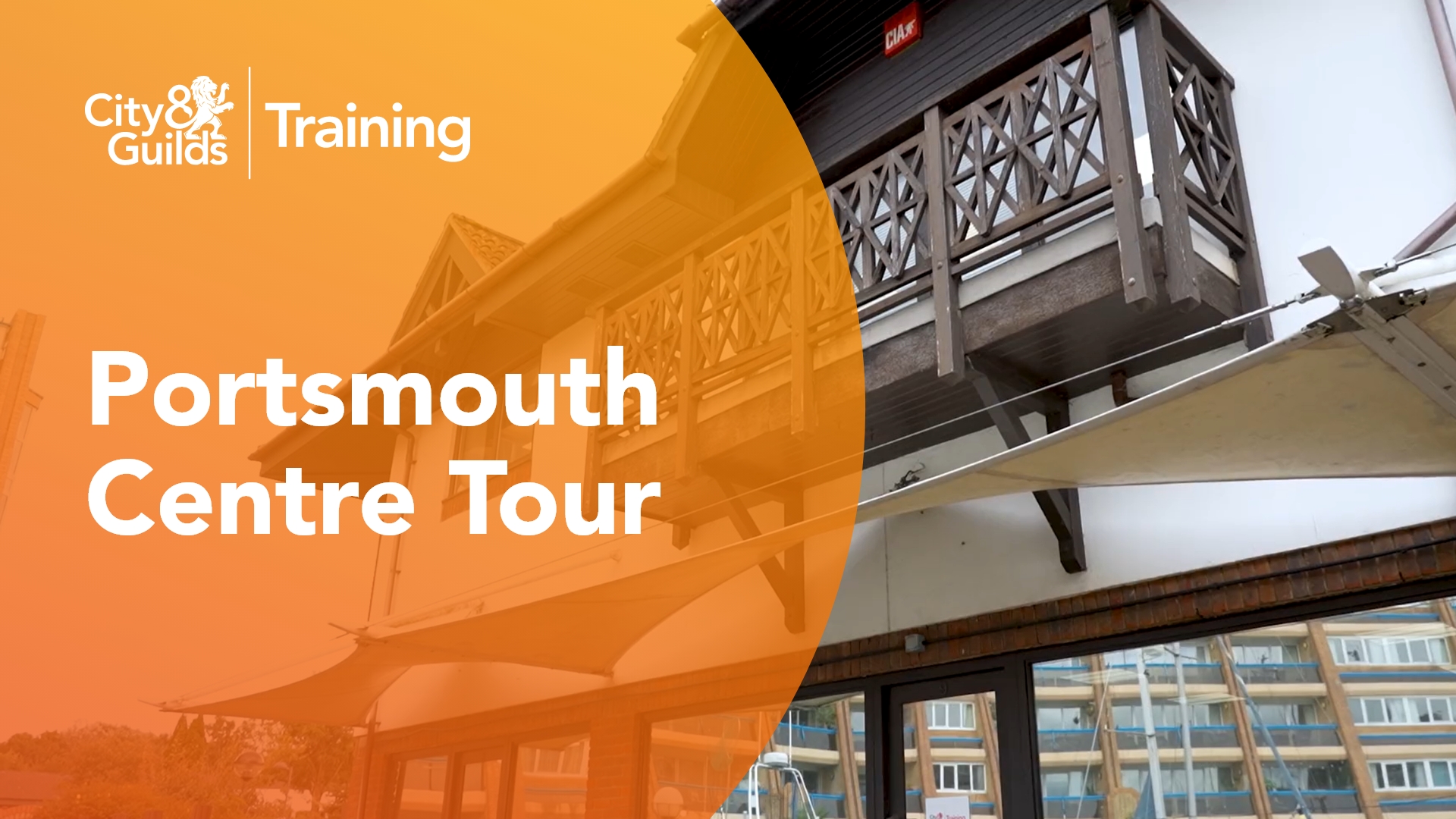
Our Portsmouth electrical training centre is based at Unit 8-10 The Boardwalk, Port Solent, Portsmouth, Hampshire, PO6 4TP.
Situated in the scenic location of Port Solent, our Portsmouth Training Centre offers lots of bright, light spaces to train in.
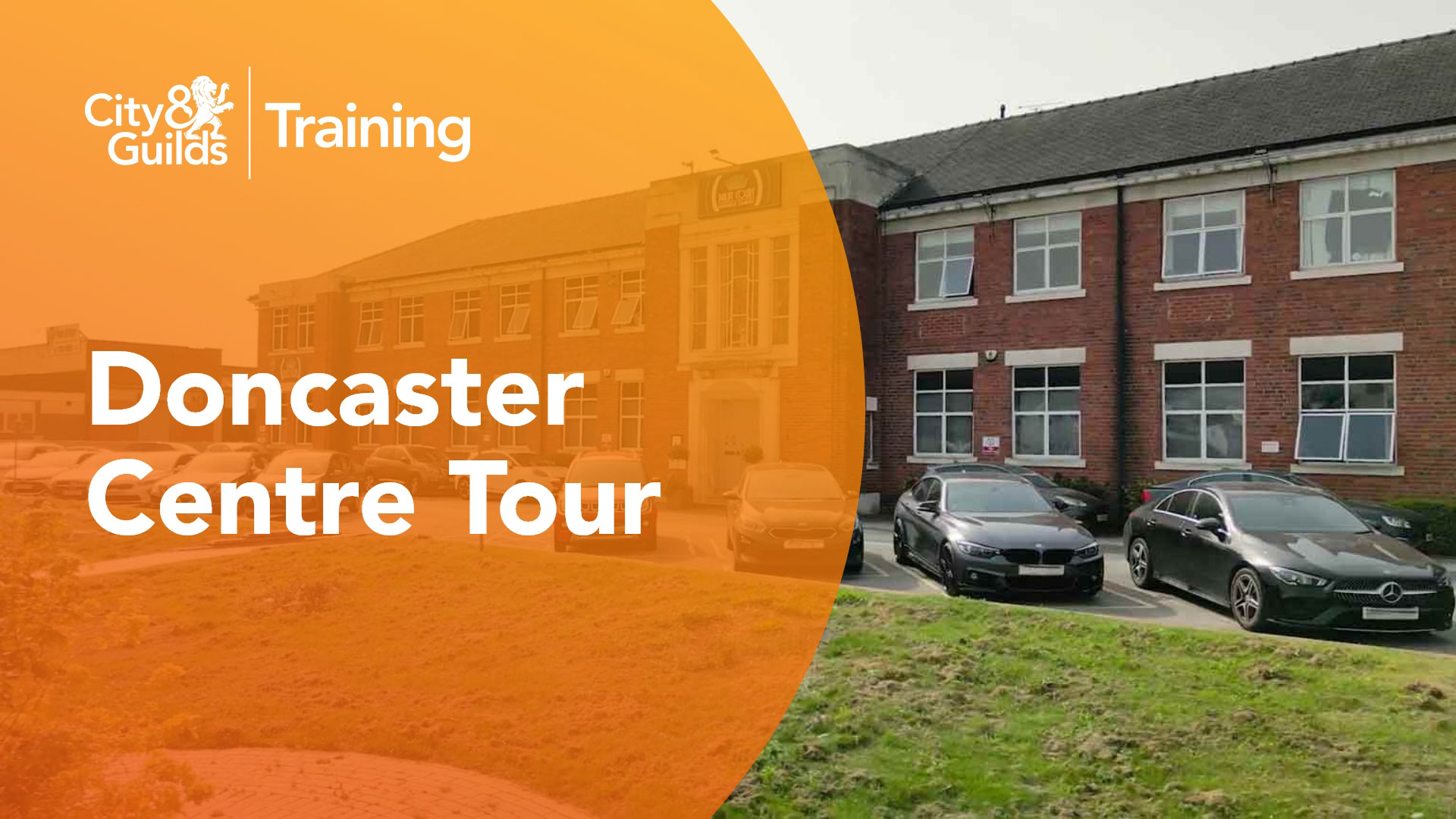
Our Doncaster training centre features bright and airy, multi-purpose training rooms aimed at delivering state-of-the-art electrical training across South Yorkshire.
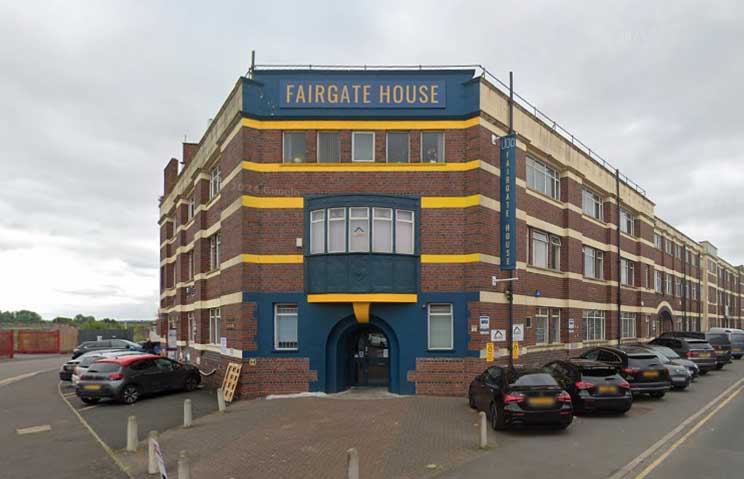
Our Birmingham centre is located at Fairgate House, 205 Kings Road, Tyseley, Birmingham, West Midlands, B11 2AA. With excellent transport links via the M6, M42, and A45, getting here is simple whether you’re commuting by car or public transport.
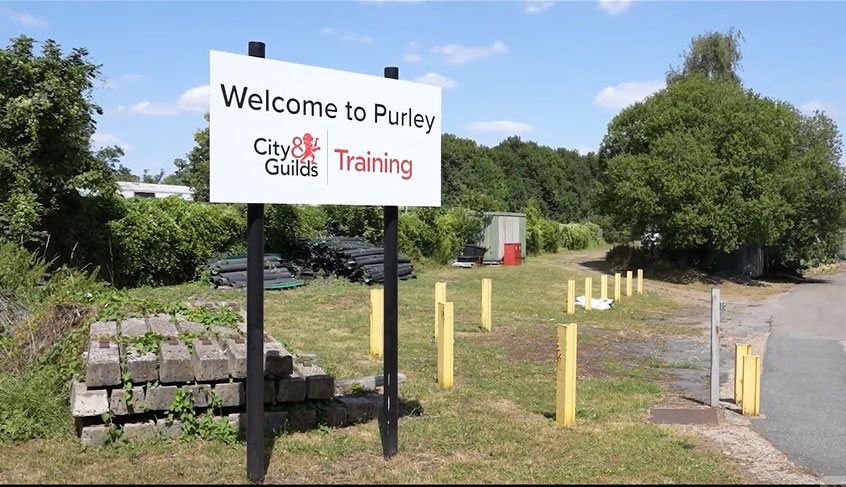
Featuring multi-purpose training rooms, state-of-the art electrical training workshops and training delivered by our in-industry experts our Purley Training centre combines leading facilities and tutors to ensure you learn from the best.
Located at 22–28 Queen Ann Road, Barton Hill, Bristol, BS5 9TX, our Bristol electrical centre is easily accessible via public transport and major road links including the M32 and A4320. We provide the ideal environment for both practical and theory-based learning across the South West of England.
Our Electrical Training Centres
Our Mitre Court and Explorer 2 Facilities are just 2 minutes south of Gatwick Airport. They are comfortable, light and airy environments in which students can learn a wide range of practical and theory based skills.
Our brand new centre opened in July 2019 offering a full range of electrical courses for those based in Birmingham, Coventry, Leicester, Northampton and all over the midlands region.
Our North West electrical training facility is situated just off Junction 10 of the M62 at Birchwood Park and is very accessible from towns such as Warrington, Manchester, Liverpool and Chester.
Phoenix House has raised the bar for electrical training centres in the UK. It’s situated east of Leeds, just off of the M1 / A1. This makes it easily accessible from Leeds, Sheffield, Hull, York, Harrogate and all over Yorkshire.
Our central London electrical training centre is conveniently located between Farringdon and City Thameslink stations. We have recently finished an exciting renovation of our London training centre meaning we can now deliver green skills training from London alongside our electrical training courses.
Our Portsmouth electrical training centre is based at Unit 8-10 The Boardwalk, Port Solent, Portsmouth, Hampshire, PO6 4TP.
Situated in the scenic location of Port Solent, our Portsmouth Training Centre offers lots of bright, light spaces to train in.
Our Doncaster training centre features bright and airy, multi-purpose training rooms aimed at delivering state-of-the-art electrical training across South Yorkshire.
Our Birmingham centre is located at Fairgate House, 205 Kings Road, Tyseley, Birmingham, West Midlands, B11 2AA. With excellent transport links via the M6, M42, and A45, getting here is simple whether you’re commuting by car or public transport.
Featuring multi-purpose training rooms, state-of-the art electrical training workshops and training delivered by our in-industry experts our Purley Training centre combines leading facilities and tutors to ensure you learn from the best.
Located at 22–28 Queen Ann Road, Barton Hill, Bristol, BS5 9TX, our Bristol electrical centre is easily accessible via public transport and major road links including the M32 and A4320. We provide the ideal environment for both practical and theory-based learning across the South West of England.


CALL US
01293 529777OPENING TIME
8.30am to 5.00pm Monday to Thursday
8.30am to 4.30pm Friday
Calling from abroad? +441293 529777
FOLLOW US