Routes to qualified electrician
These industry recognised training routes are for anyone new to the industry or experienced persons wanting to complete their electrical training.
 Back
BackThese industry recognised training routes are for anyone new to the industry or experienced persons wanting to complete their electrical training.
These courses are for qualified electricians looking to upskill with further electrical training and green technologies.
These courses provide electrical skills for those working under supervision, associated tradespersons and other specialist training
These online courses allow you to work at your own pace
BackIf you are over 16, live in the UK and are employed you could be eligible for a funded apprenticeship
Skills Bootcamps offer flexible courses of up to 16 weeks that can vastly reduce the cost of training with us and in some cases, fully fund it.
BackWe are hiring, explore all the fantastic career opportunities at City & Guilds Training
CITY & GUILDS ELECTRICAL


Our list prices include VAT and any exam costs where applicable. The only extra costs required thereafter would be for the course books.
Of course! We are always very happy to give tours of our facilities. Please just phone ahead to arrange a suitable day/time to come in.
Yes, we have plenty of free parking spaces at most centres. In Central London you will need to pay for parking or travel by public transport. Check each location page for more info.
On most of our domestic installer packages you can split the weeks up if you cannot commit to the block style learning. Our 2365 courses usually run 2 weeks on 2 weeks off.
Some of our qualifications require experience but most don’t, each course page will tell you if you need experience or not.
No, we provide all the necessary tools and materials to undertake your training.
We are able to accept credit /debit cards and bank transfers via BACS and CHAPS, there are also various pay as you go, loan and funding options. Visit our paying for your course page for more info.
VAT is only applicable to course fees. Awarding body fees such as C&G fees are VAT exempt. The website displays the VAT exempt cost and a total price. The total price is calculated by Adding the C&G fee if applicable to the Course Fees and the VAT. The VAT exempt price is simply the Course fee (Ex VAT) added to any C&G fees if applicable. This is why the difference between the two prices is not always exactly 20%. A breakdown can be provided on your invoice or payment receipt on request.
We generally advise 6-8 Weeks although most certificates will arrive quicker than this. The reason for this is that often exams and assessments have to be quality checked and verified. We also are reliant on organisations such as C&G processing and sending the certificates to us.
IMPORTANT NOTE: If you have booked a package of courses we will send all the certificates in one go. If you are in centre simply ask over the counter if we already have any of your certificates.
Monday to Friday Start 9.00 A.M. Finish 4.00 P.M. however this can vary.
If you click on the books tab on the course page it will show you what books you require, we have direct links to amazon on our website where you can purchase the books for the most cost effective prices. We will also send you a book list when you book your course. We do stock books in centre but can not guarantee stock unless paid for in advance.
Most centres are near food outlets or will have a lunch wagon that turns up on site. We will send more details in your joining instructions for each centre.
We have some of the highest pass rates in the UK there are on average 90% + and on some courses such as 18th edition where pass rates are 98%.
To secure your place immediately a deposit can be paid and the balance will then be payable 21 days before the course start date. On longer courses we also offer pay as you learn and loan options.
All online exams you will find out your results straight away, for written papers and other assessments if can take a few weeks.
We run the courses is this format as there is a large amount of information to take in over the duration of the course and after years of delivering this course this is by far the most successful format. We have tried and tested different formats and this one seems to have the best pass rate and customers seem to prefer it too.
Yes all of our City & Guilds, NIC, Bpec and EAL courses will lead to a qualification.
Yes C&G courses are industry recognised qualifications.
OUR CENTRES OF EXCELLENCE
Our Mitre Court and Explorer 2 Facilities are just 2 minutes south of Gatwick Airport. They are comfortable, light and airy environments in which students can learn a wide range of practical and theory based skills.
Our brand new centre opened in July 2019 offering a full range of electrical courses for those based in Birmingham, Coventry, Leicester, Northampton and all over the midlands region.
Our Northern training facility is situated just off Junction 10 of the M62 at Birchwood Park and is very accessible from towns such as Warrington, Manchester, Liverpool and Chester.
Phoenix House has raised the bar for electrical training centres in the UK. It’s situated east of Leeds, just off of the M1 / A1. This makes it easily accessible from Leeds, Sheffield, Hull, York, Harrogate and all over Yorkshire.
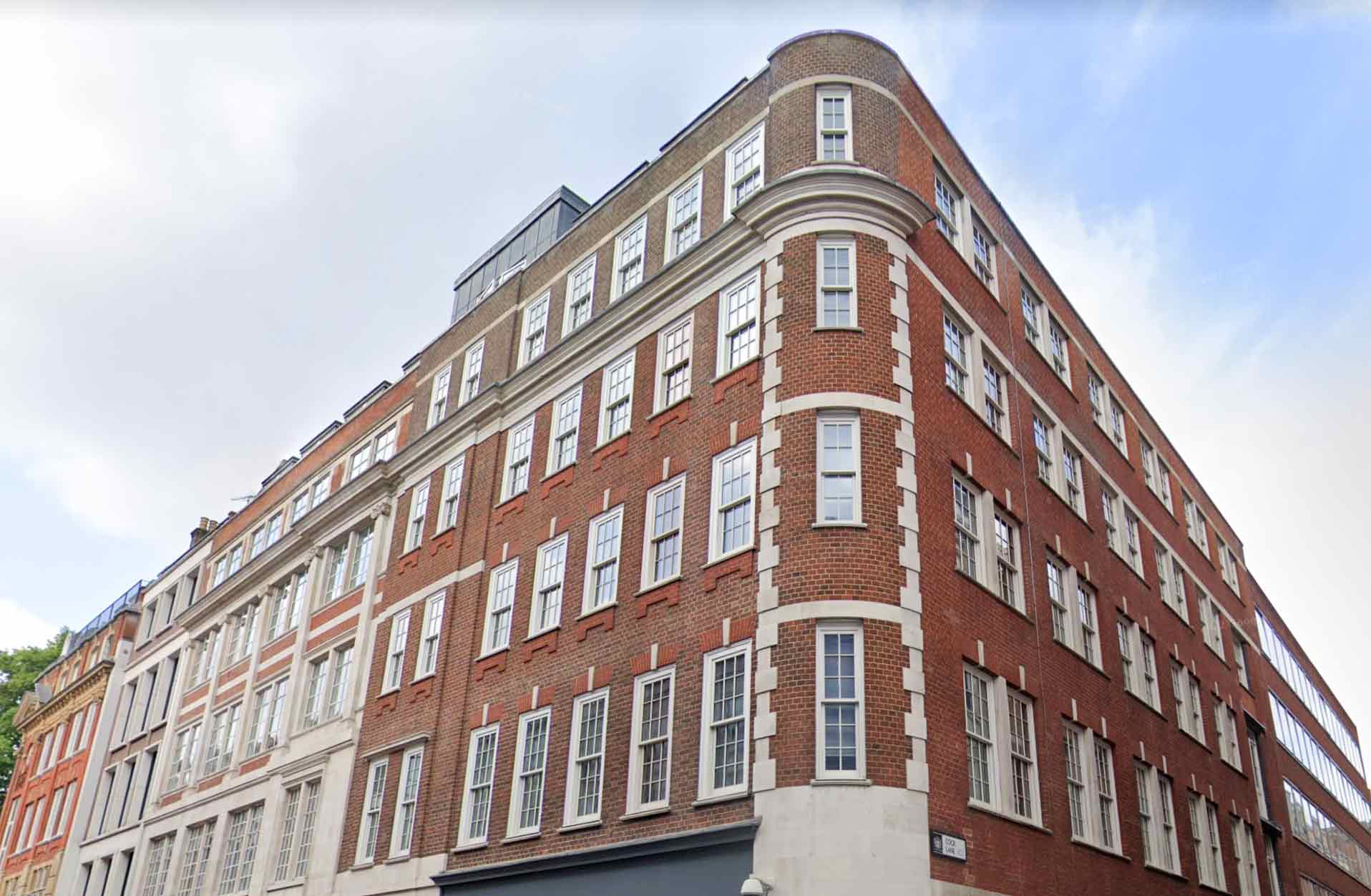
Our centre in Central London is based right next to the old bailey, Smithfield Market and St Barts Hospital. We currently only offer electrical courses for experienced electricians from Central London.
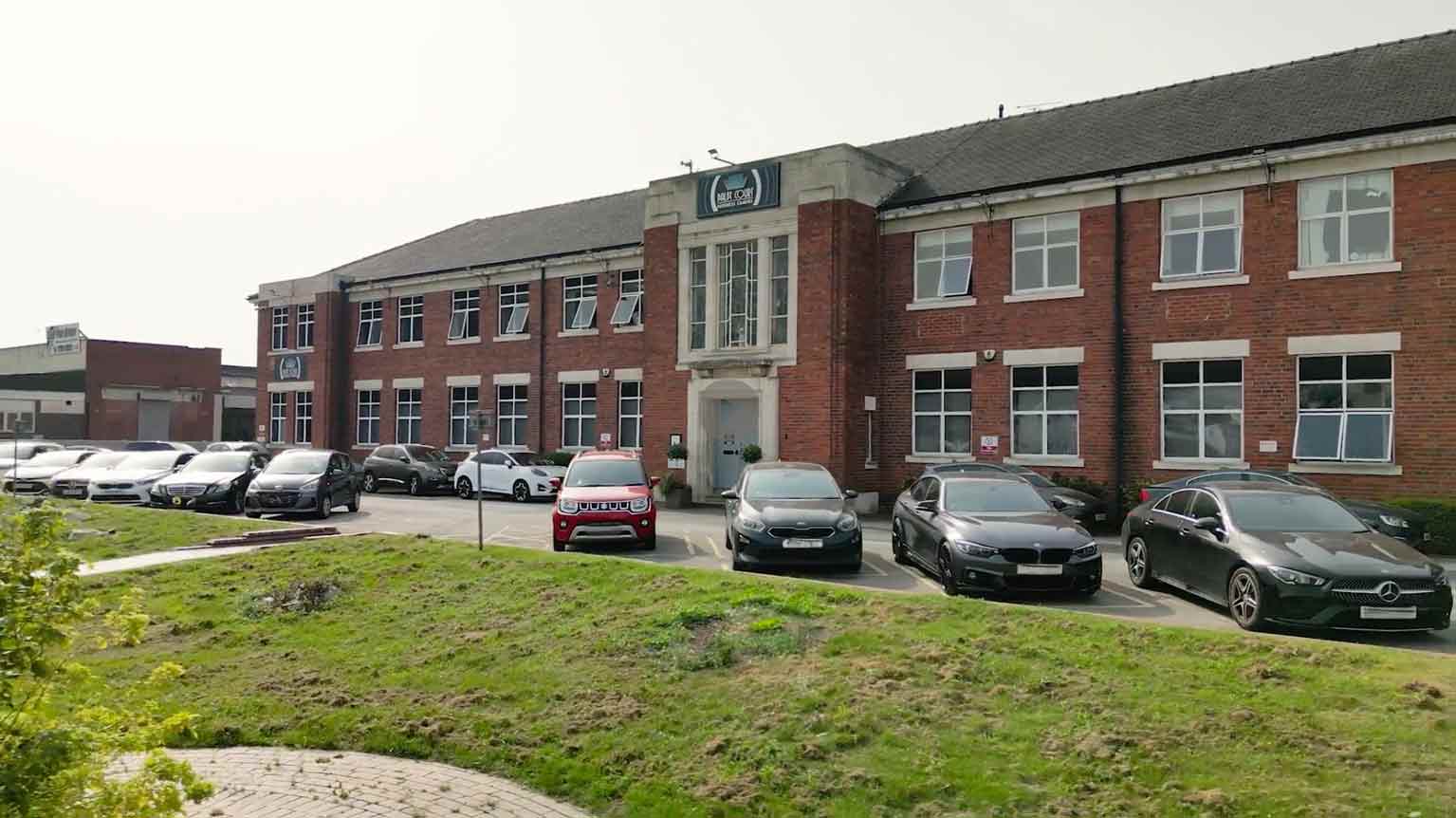
Doncaster
Our Doncaster training centre features bright and airy, multi-purpose training rooms aimed at delivering state-of-the-art electrical training across South Yorkshire.







CALL US
0800 856 4448OPENING TIME
8.30am to 5.00pm Monday to Thursday
8.30am to 4.30pm Friday
Calling from abroad? +441293 529777
FOLLOW US