Back
Back



 Expertise Level
 Category
 Location
Become a Qualified Electrician
Train to become a qualified electrician in 4 simple steps. Choose how many steps you take and far you want to go. But don’t worry you can always top up later on or book a course package.
FIND OUT MORE

Beginner
- 14 Weeks
C&G 2365 Level 2 & 3 Diploma Package
£6,230.00 (£7,395.00 inc VAT)
£6,557.50 (£7,869.00)


Skills Bootcamp
- 9 Weeks
Level 2 Diploma in Electrical Installation Bootcamp
£0.00 (£0.00 inc VAT)
£0.00 (£0.00)
Beginner
- 8 Weeks
C&G 2365 Level 2 Diploma
£3,509.00 (£4,174.00 inc VAT)
£0.00 – £3,692.50 (£0.00)
Beginner
- 6 Weeks
C&G 2365 Level 3 Diploma
£2,721.00 (£3,221.00 inc VAT)
£0.00 – £36,800.00 (£0.00)

Beginner
- 4
- 12-18 Months
C&G 2357 NVQ Level 3 Electrical Installation / Maintenance
£1,677.00 (£1,999.00 inc VAT)
£1,609.00 (£1,930.80)
Beginner
- 18 DAYS
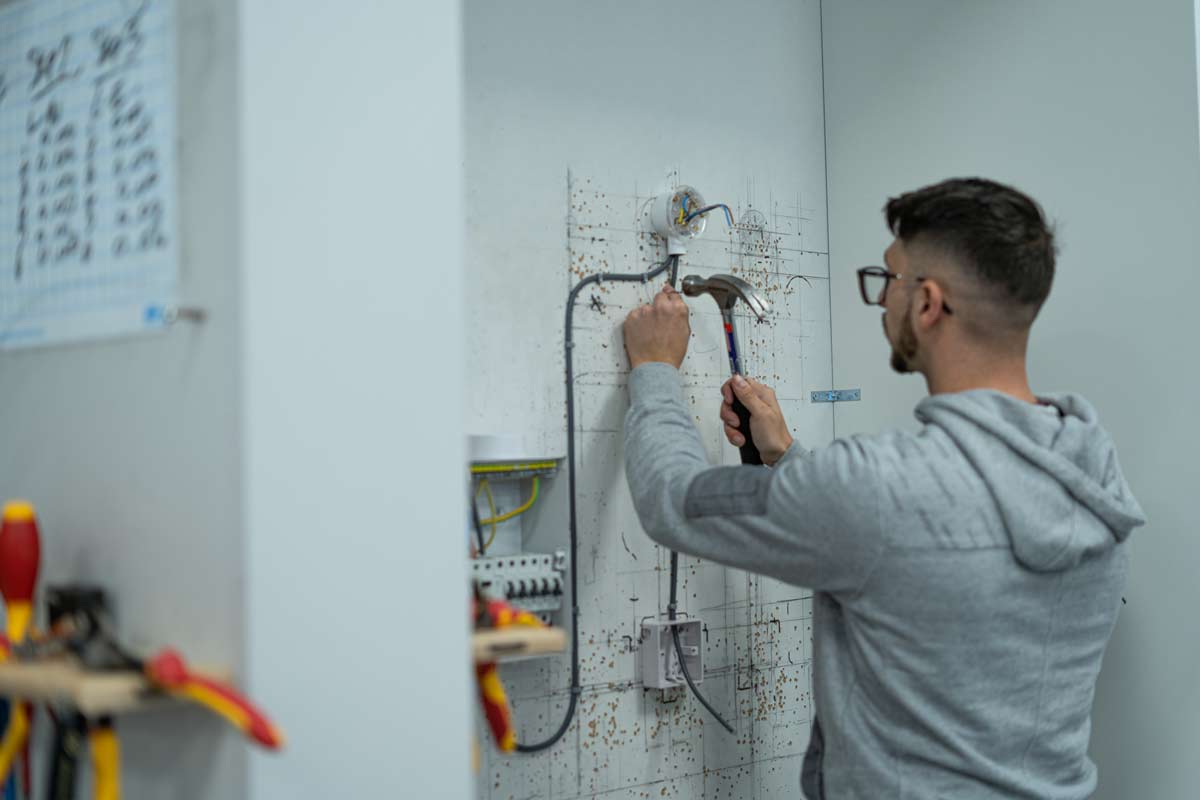
Domestic Electrical Skills
£1,592.00 (£1,899.00 inc VAT)
£0.00 – £1,166.66 (£0.00)
Beginner
- 4 hours, in centre
Electrician Course Taster Day
£0.00 – £12.50 (£0.00 inc VAT)
£0.00 – £12.50 (£0.00)

18th Edition Wiring Regulations Courses
In centre, online and even at weekends. Gain the latest qualification in a way that suits you today!
FIND OUT MORE
Existing Electrician
- 3 days
C&G 2382-22 18th Edition Course
£425.50 (£499.00 inc VAT)
£0.00 – £3,958.33 (£0.00)

Existing Electrician
- 1 Day
C&G 2382-22 1 Day 18th Edition Course
£182.00 (£209.00 inc VAT)
£130.83 (£157.00)


Existing Electrician
- E-Learning
C&G 2382-22 Online 18th Edition Course
£342.00 (£399.00 inc VAT)
£284.17 (£341.00)

Beginner
- 3-6 Hours
18th Edition Amendment 2 Refresher Course
£41.66 (£49.99 inc VAT)
£41.66 (£49.99)
Inspection and Testing Courses
As a specialist trainer we have some of the best inspection and testing teachers and facilities in the UK. Unique dual purpose classrooms make learning advanced subjects a breeze.
FIND OUT MORE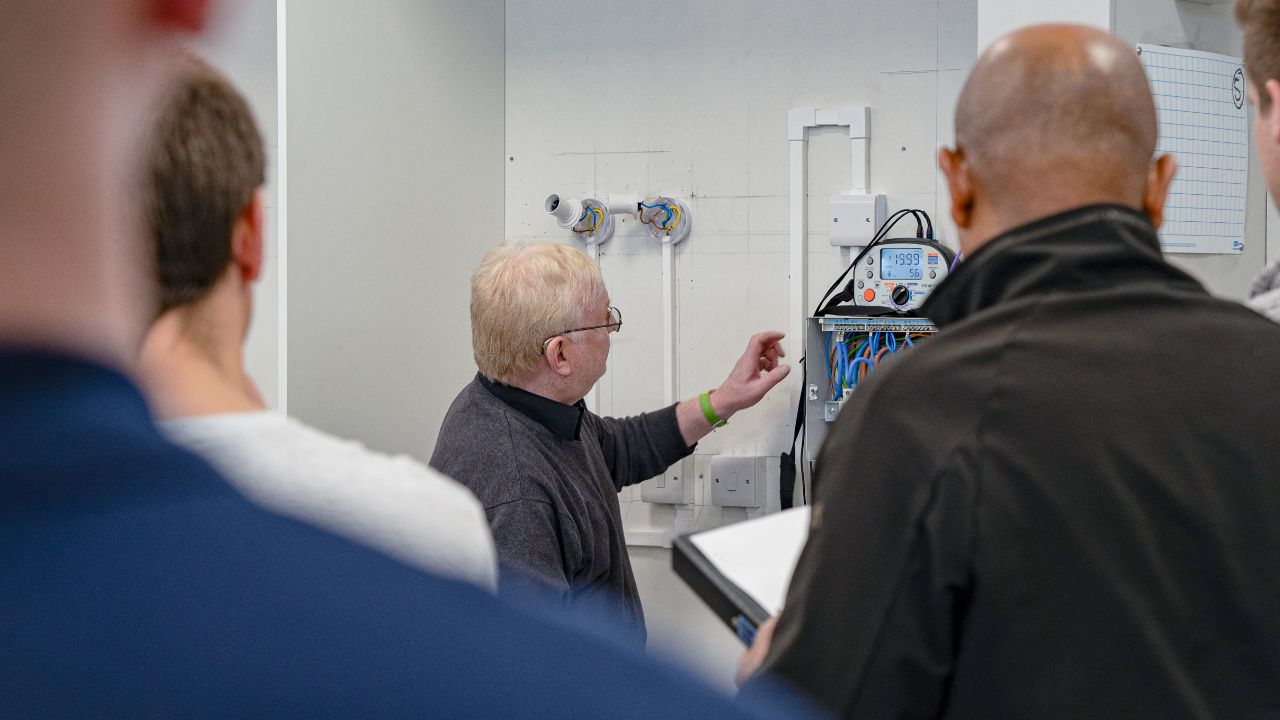
Skills Bootcamp
- 3 Weeks
C&G 2391 Inspection & Testing with EV Package
£0.00 (£0.00 inc VAT)
£0.00 (£0.00)
Beginner
- 6 days
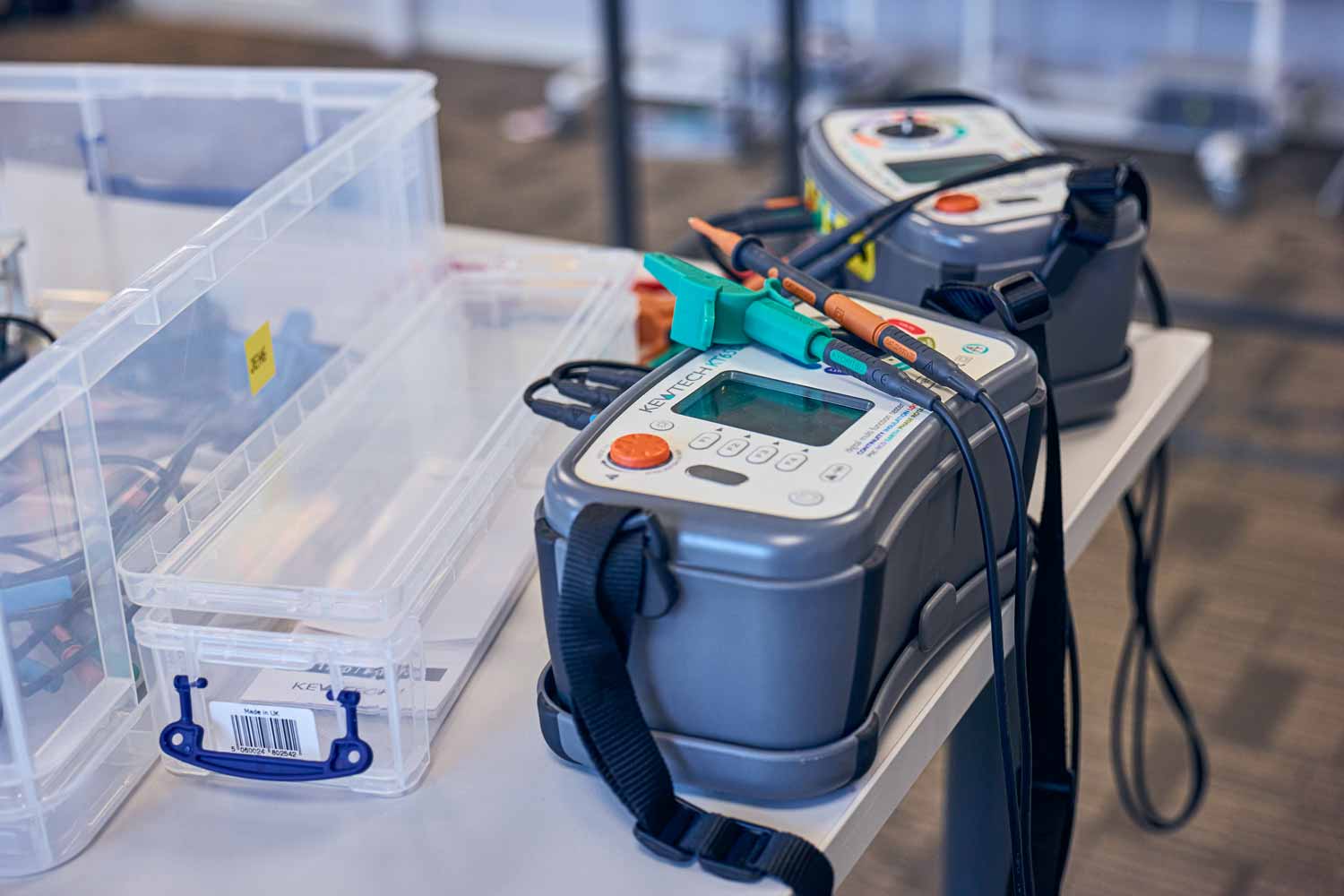
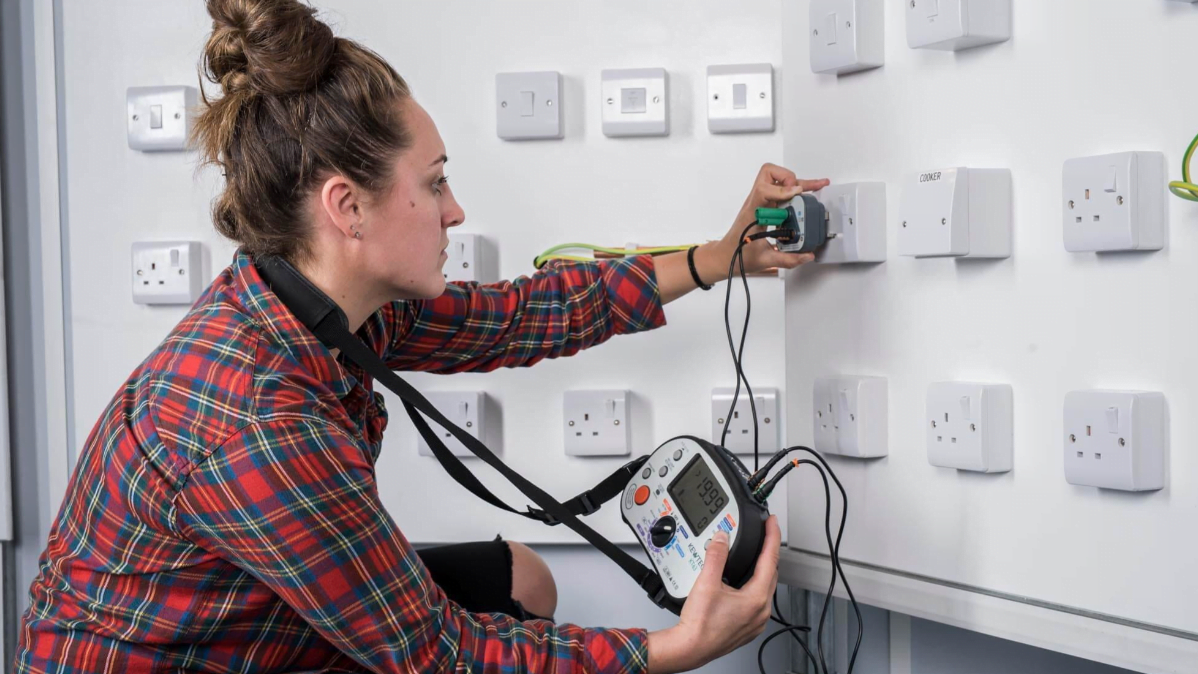
C&G 2392-10 Inspection & Testing Course
£638.00 (£755.00 inc VAT)
£580.17 (£696.20)
Existing Electrician
- 6.5 Days
C&G 2391-52 Inspection and Testing Course
£961.00 (£1,125.00 inc VAT)
£0.00 – £821.33 (£0.00)

Existing Electrician
- 2 Days
Inspection and Testing Online Refresher Course
£125.00 (£150.00 inc VAT)
£125.00 (£150.00)
Beginner
- 1 Day
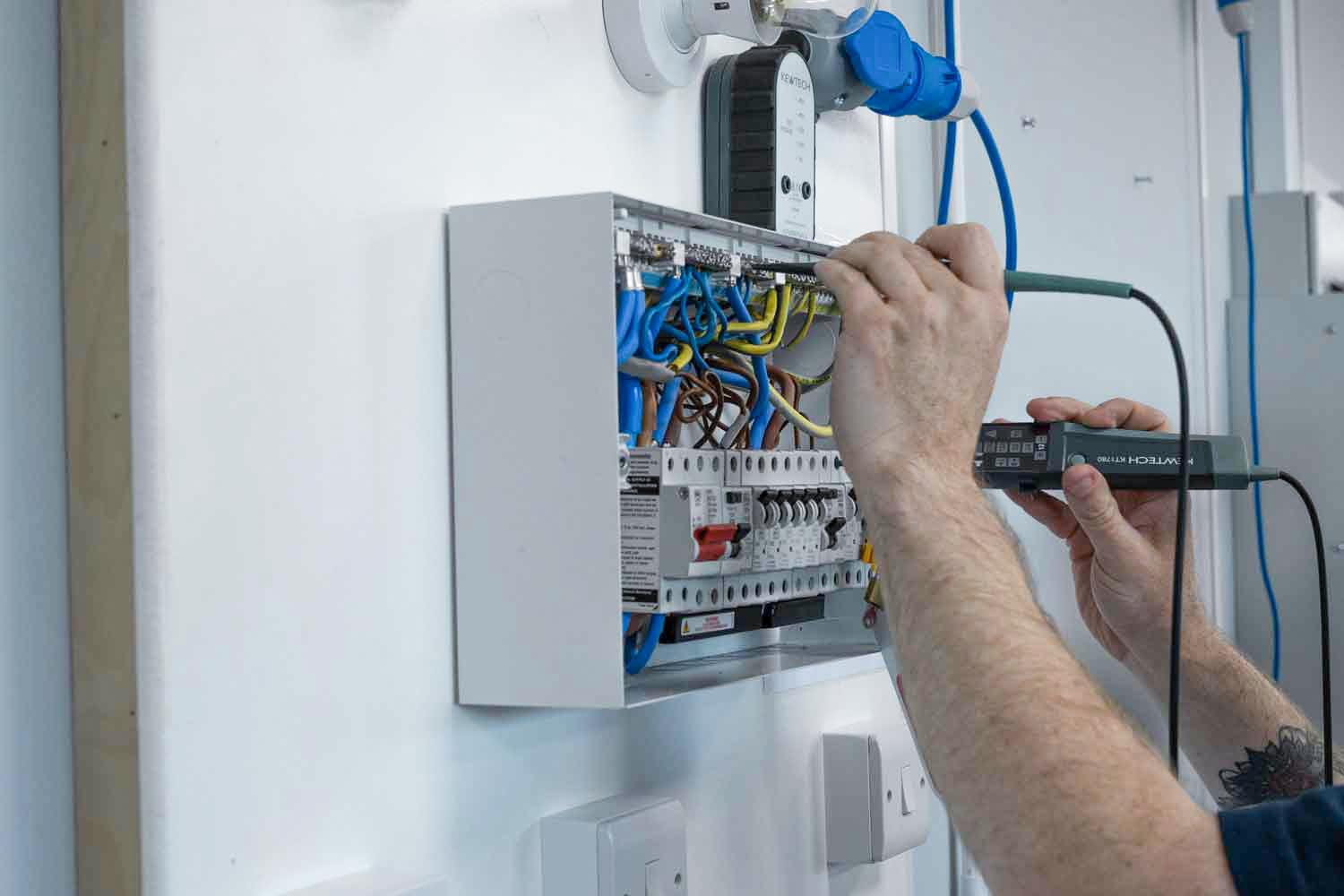
Safe Isolation Course
£146.00 (£175.00 inc VAT)
£145.83 – £2,000.00 (£175.00)

Electrical NVQ’s
We offer three types of standalone electrical NVQ’s for experienced and recently qualified electricians. These are available nationwide.
FIND OUT MORE
Existing Electrician
- 6-18 Months
C&G 2346 Experienced Worker Assessment (Installation / Maintenance Electrician)
£1,536.50 (£1,799.00 inc VAT)
£1,302.50 (£1,563.00)
Beginner
- 4
- 12-18 Months
C&G 2357 NVQ Level 3 Electrical Installation / Maintenance
£1,677.00 (£1,999.00 inc VAT)
£1,609.00 (£1,930.80)
Electric Vehicle Charging
Get ahead of the competition and train up from scratch or top up your existing skills to install EV charging points. This is a growing market not to be missed.
FIND OUT MORE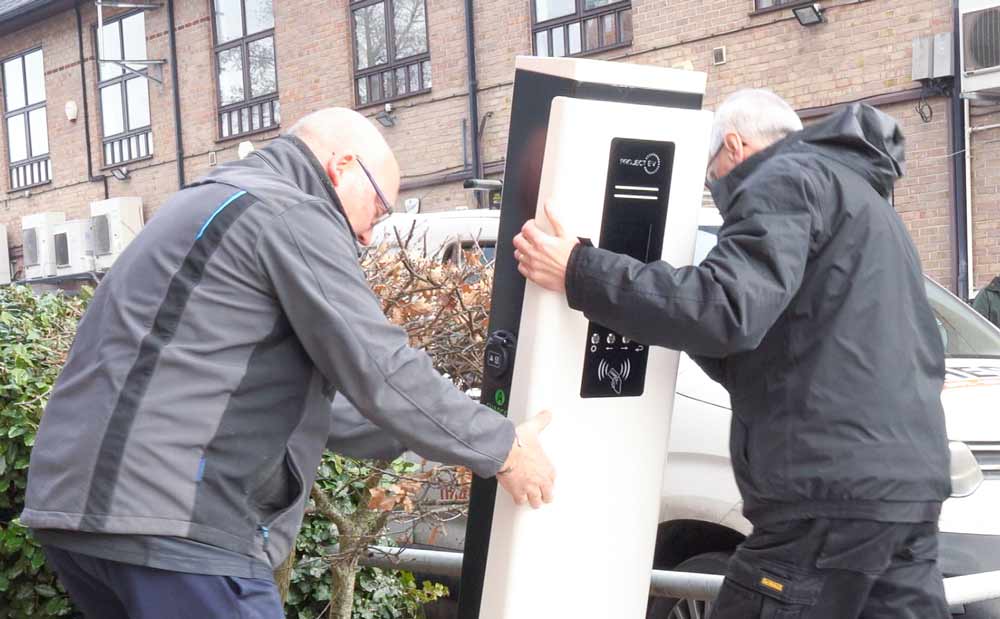
Existing Electrician
- 2 days
C&G 2921-31 Design and Installation of Domestic and Small Commercial EV Charging Installations
£340.00 (£395.00 inc VAT)
£275.00 (£330.00)
Beginner
- 25 Days
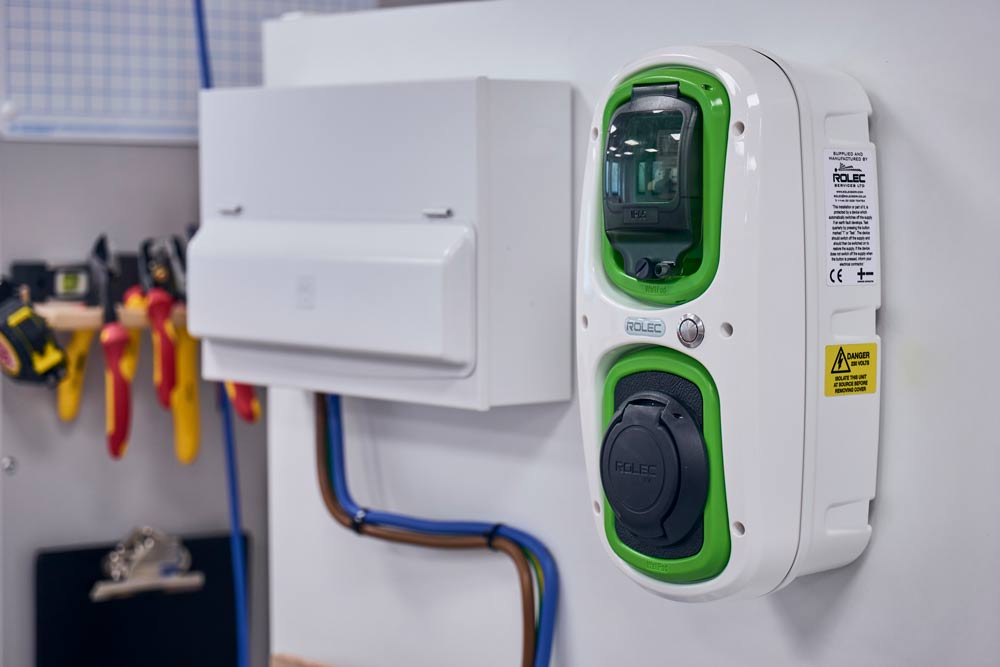
Domestic EV Car Charging Point Installers Package
£2,341.00 (£2,809.00 inc VAT)
£2,612.63 (£3,135.16)
Renewable Technologies
Skills Bootcamp
- 3 Weeks
C&G 2391 Inspection & Testing with EV Package
£0.00 (£0.00 inc VAT)
£0.00 (£0.00)

Skills Bootcamp
- 10 Days
Green Electrical Upskill Bootcamp Package
£0.00 (£0.00 inc VAT)
£0.00 (£0.00)
Skills Bootcamp
- 10 Days
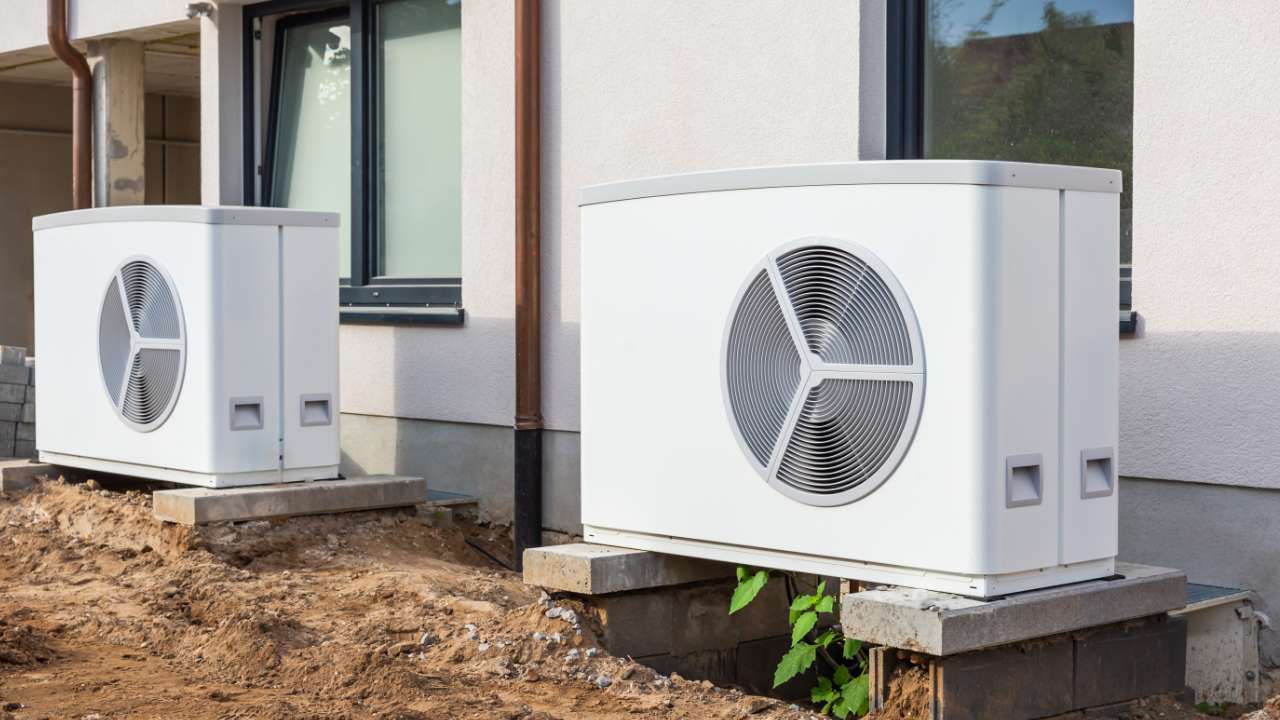
Air Source Heat Pump Installer Package
£0.00 (£0.00 inc VAT)
£0.00 (£0.00)
Existing Electrician
- 10 days
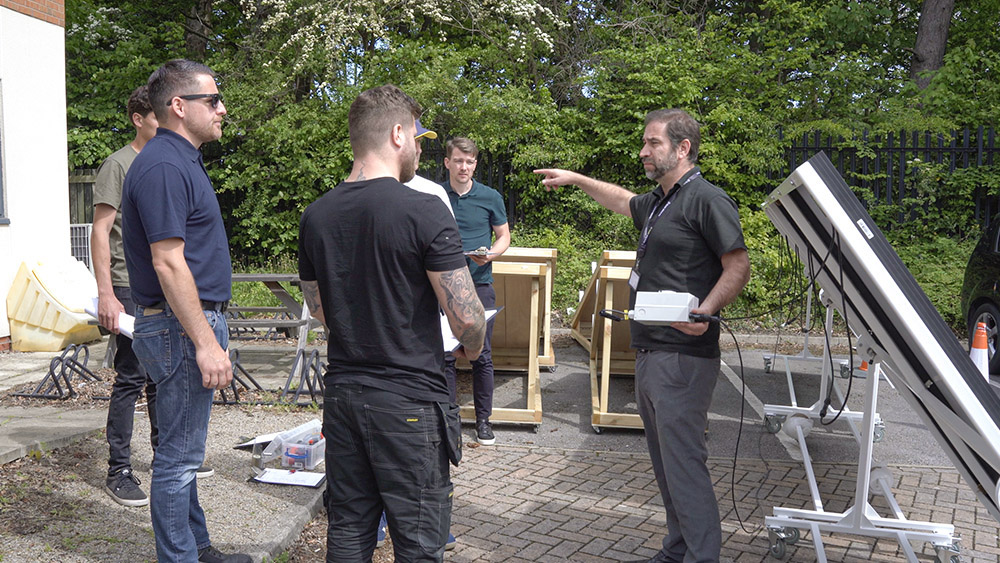
Green Electrical Skills Package
£0.00 (£0.00 inc VAT)
£0.00 (£0.00)
Existing Electrician
- 2 days
C&G 2921-31 Design and Installation of Domestic and Small Commercial EV Charging Installations
£340.00 (£395.00 inc VAT)
£275.00 (£330.00)
Existing Electrician
- 5 days
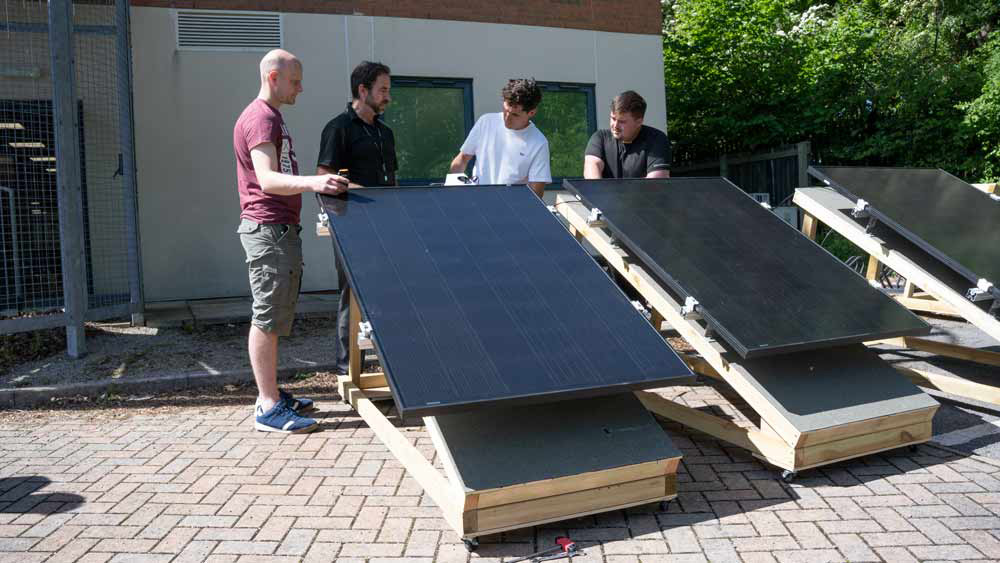
BPEC Solar PV Course
£608.00 (£720.00 inc VAT)
£547.92 (£657.50)

Existing Electrician
- 2 days
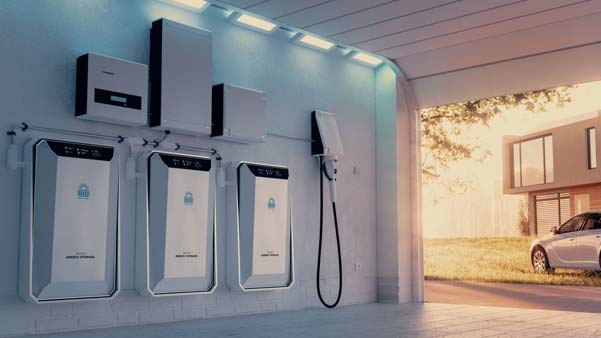
BPEC Electrical Energy (Battery) Storage Course
£450.00 (£530.00 inc VAT)
£400.00 (£480.00)

Beginner
- 25 Days
Domestic EV Car Charging Point Installers Package
£2,341.00 (£2,809.00 inc VAT)
£2,612.63 (£3,135.16)
Solar PV Courses
Electrical Design Courses

PAT Testing Courses
PAT Testing Courses can be taken by those new to the industry and experienced electricians. An excellent way to generate extra revenue!
FIND OUT MORE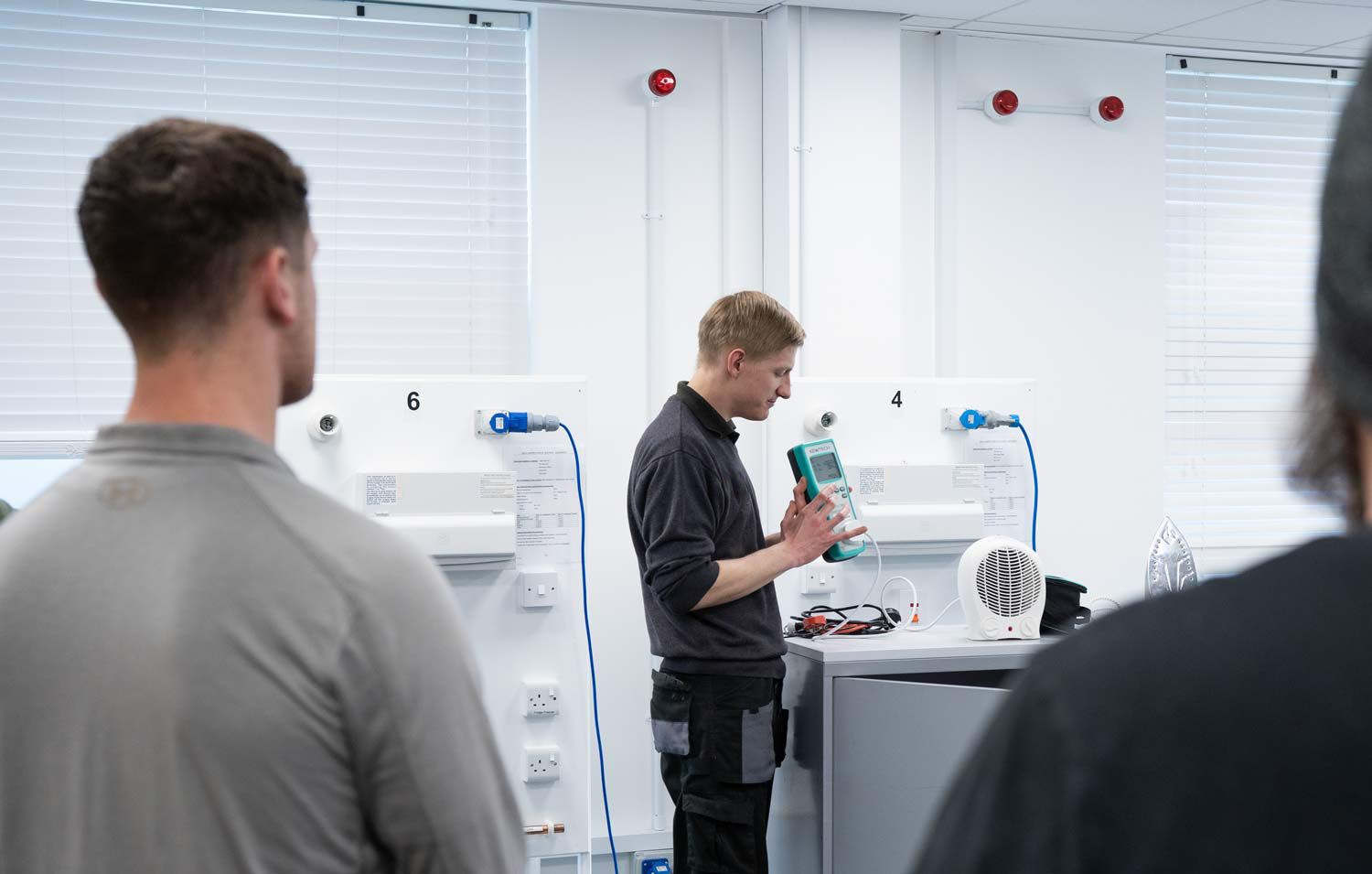
Beginner
- 3 Days
C&G 2377-77 3 Day EET / PAT Testing Course
£429.00 (£499.00 inc VAT)
£348.33 (£418.00)
Beginner
- 2 Days
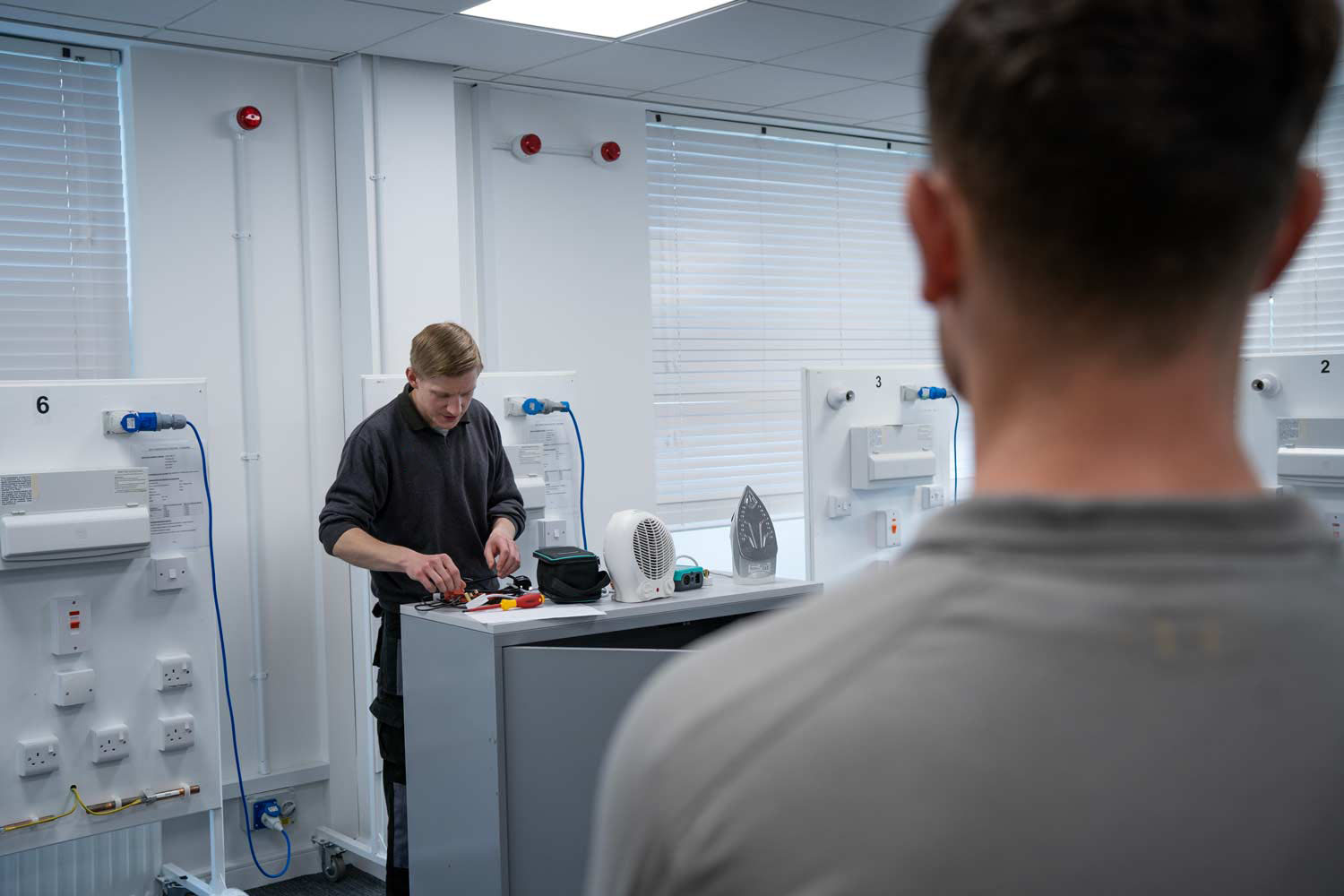
C&G 2377-77 EET / PAT Testing Course
£346.00 (£399.00 inc VAT)
£265.00 – £272.50 (£318.00)
Beginner
- 1 Day
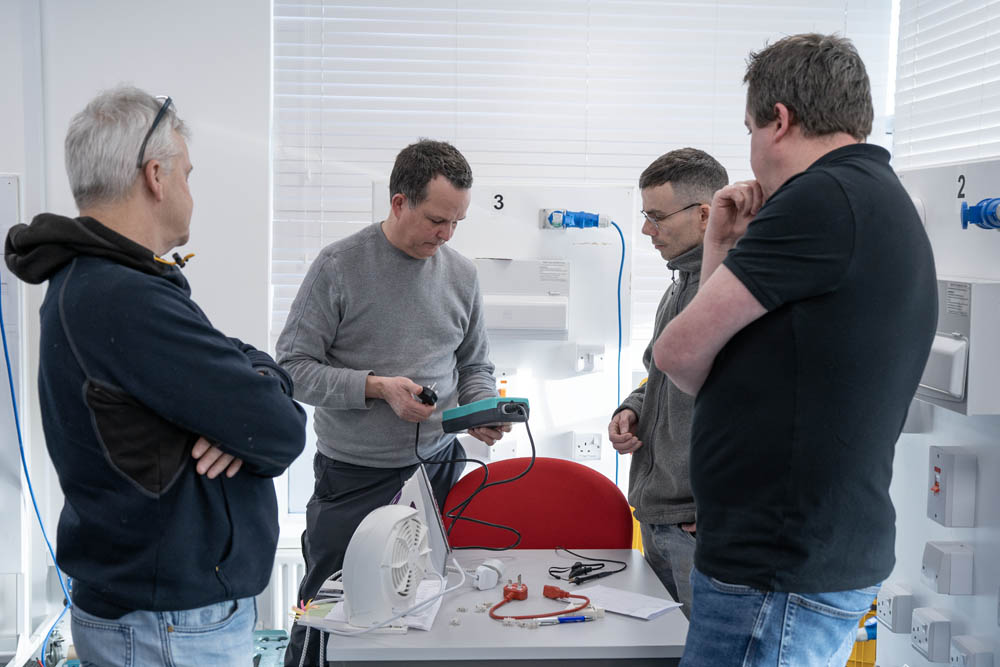
1 Day PAT Testing Course
£166.00 (£198.00 inc VAT)
£165.83 (£199.00)
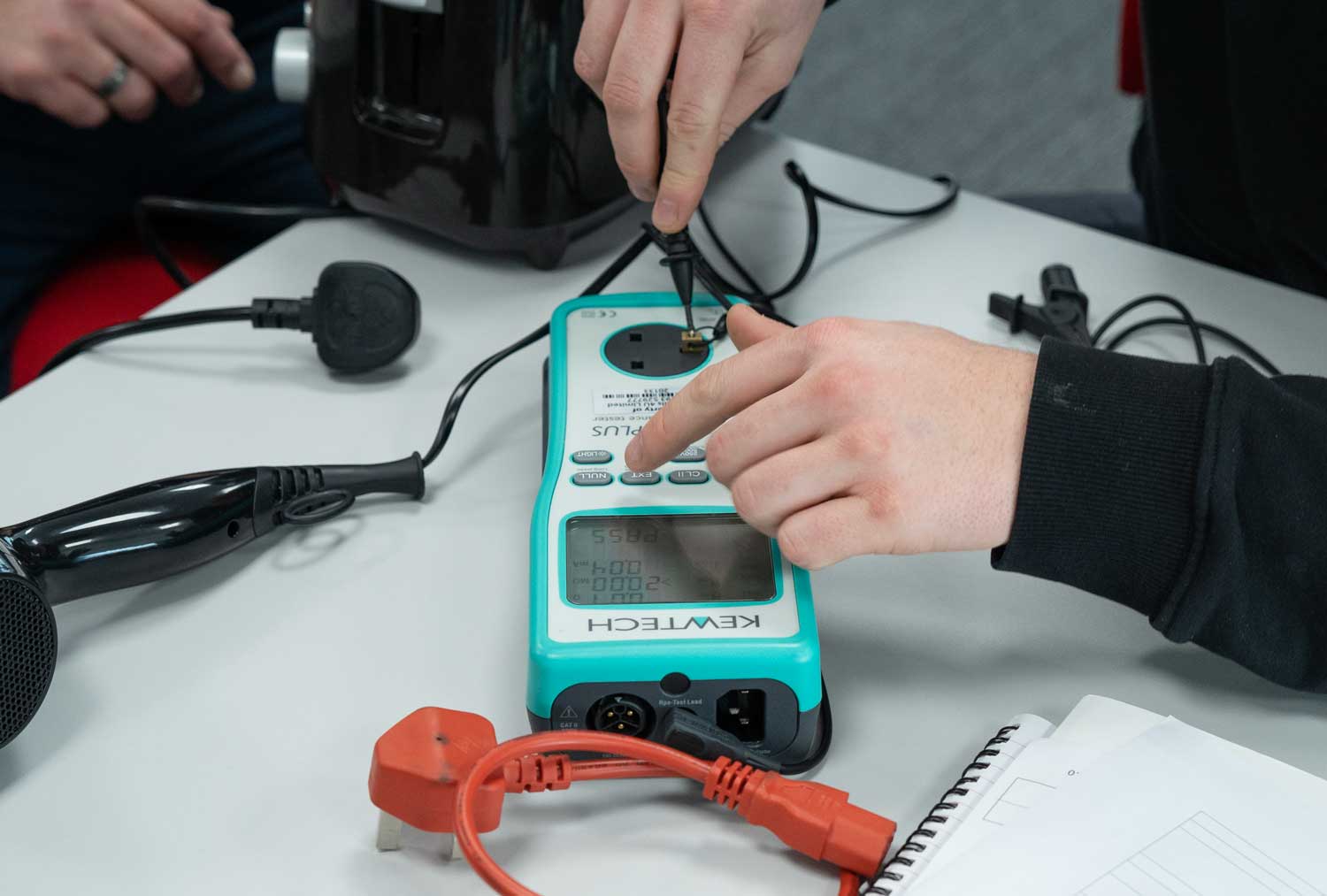
Beginner
- 20 DAYS
Domestic Electrical & PAT Testing Course Package
£2,445.00 (£2,894.00 inc VAT)
£2,186.74 (£2,624.09)
Train in Domestic Electrical Installation
Only want to work on houses, flats and bungalows? The domestic installer route could be for you. Book a course package to save.
FIND OUT MOREBeginner
- 14 Weeks
C&G 2365 Level 2 & 3 Diploma Package
£6,230.00 (£7,395.00 inc VAT)
£6,557.50 (£7,869.00)
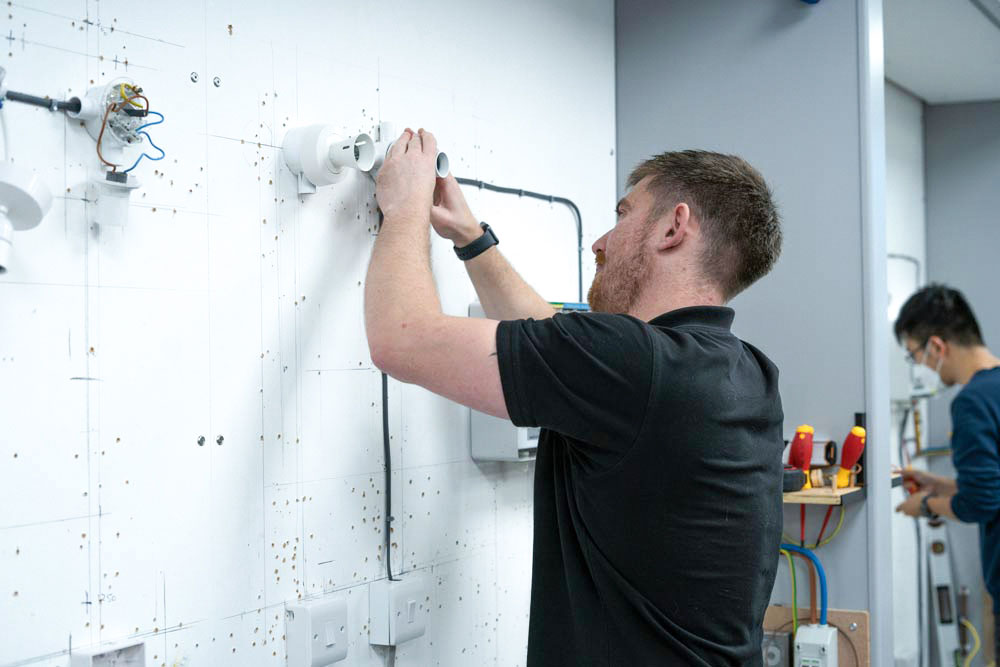
Beginner
- 2 days
Basic Electrical Maintenance Course
£225.00 (£270.00 inc VAT)
£225.00 – £4,000.00 (£270.00)
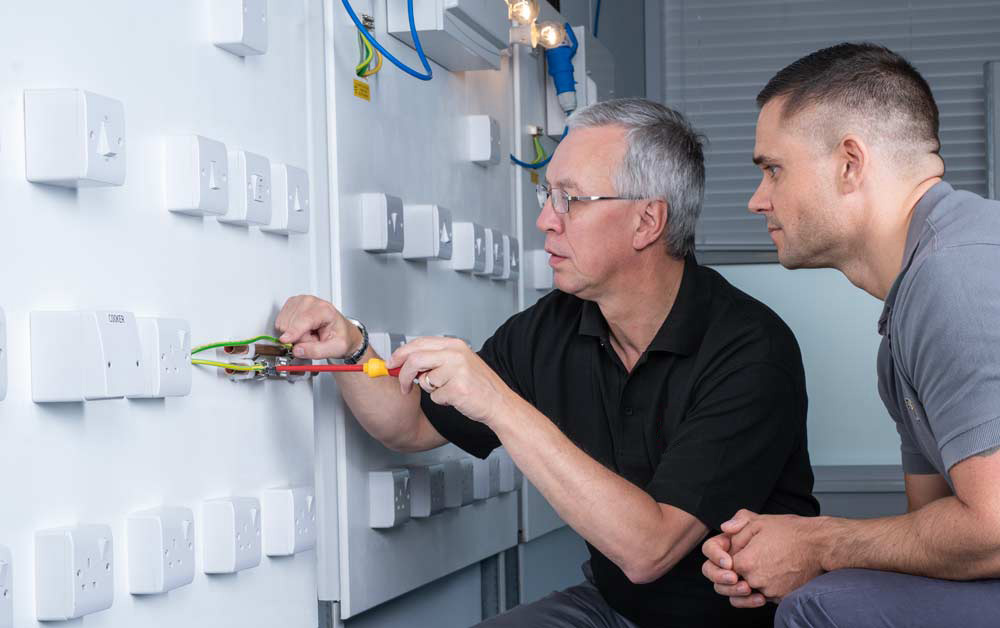
Beginner
- 5 days
Minor Electrical Installation Works Course
£499.00 (£599.00 inc VAT)
£475.83 (£571.00)
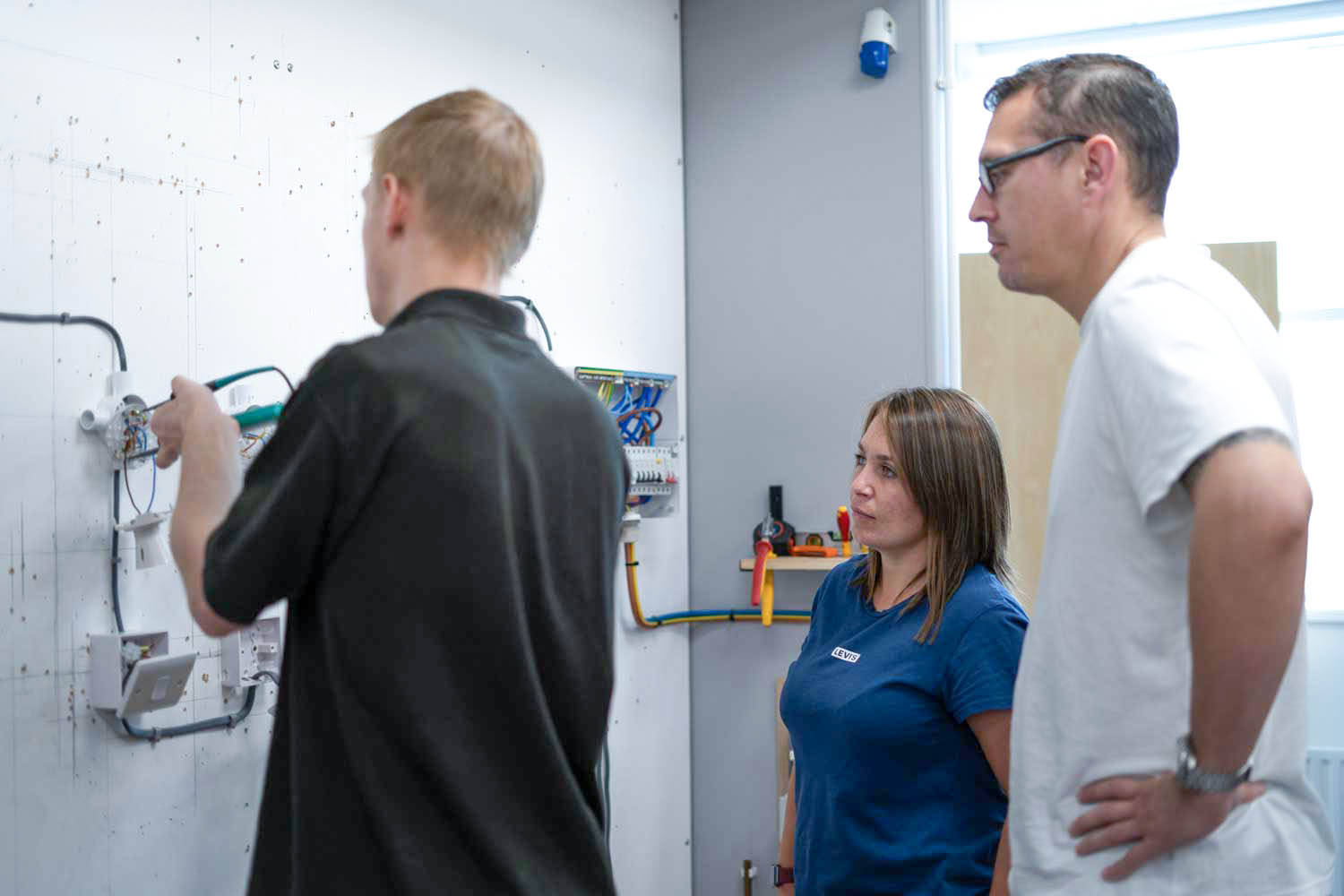
Beginner
- 5 Days
Domestic Installation Workshop
£483.00 (£580.00 inc VAT)
£483.33 (£580.00)
Beginner
- 8 Weeks
C&G 2365 Level 2 Diploma
£3,509.00 (£4,174.00 inc VAT)
£0.00 – £3,692.50 (£0.00)
Beginner
- 6 Weeks
C&G 2365 Level 3 Diploma
£2,721.00 (£3,221.00 inc VAT)
£0.00 – £36,800.00 (£0.00)
Beginner
- 4
- 12-18 Months
C&G 2357 NVQ Level 3 Electrical Installation / Maintenance
£1,677.00 (£1,999.00 inc VAT)
£1,609.00 (£1,930.80)
Beginner
- 25 Days
Domestic EV Car Charging Point Installers Package
£2,341.00 (£2,809.00 inc VAT)
£2,612.63 (£3,135.16)
Beginner
- 18 DAYS
Domestic Electrical Skills
£1,592.00 (£1,899.00 inc VAT)
£0.00 – £1,166.66 (£0.00)
Beginner
- 20 DAYS
Domestic Electrical & PAT Testing Course Package
£2,445.00 (£2,894.00 inc VAT)
£2,186.74 (£2,624.09)
Beginner
- 1 Day
Safe Isolation Course
£146.00 (£175.00 inc VAT)
£145.83 – £2,000.00 (£175.00)
E-Learning Trials
We have a range of free E-Learning resources available for you to try out before committing to a full course.
FIND OUT MORE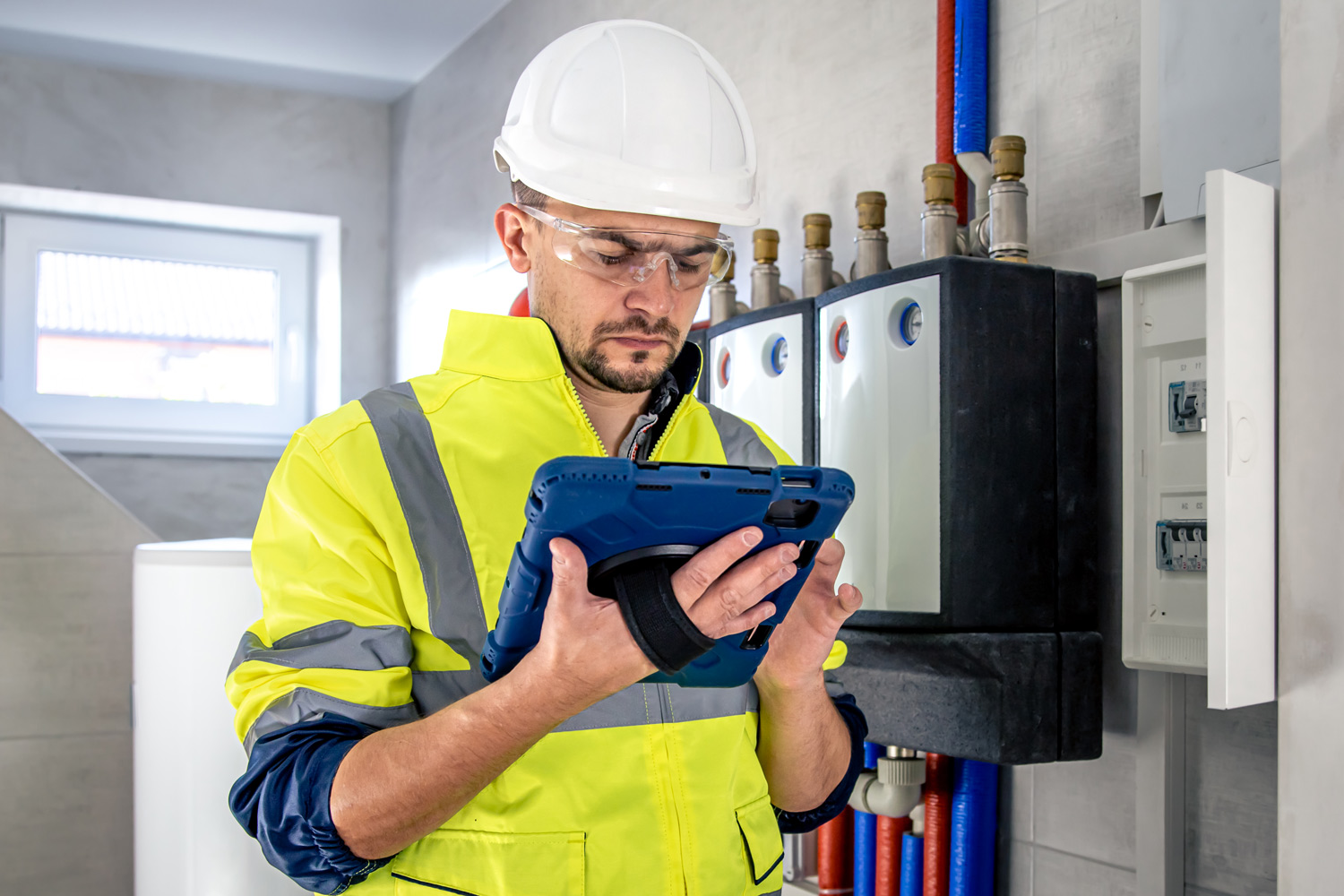
Beginner
- E-Learning
Identifying Electrical Hazards in the Home
£35.00 (£42.00 inc VAT)
£35.00 (£42.00)
Beginner
- 3-6 Hours
18th Edition Amendment 2 Refresher Course
£41.66 (£49.99 inc VAT)
£41.66 (£49.99)

Beginner
- STUDY FROM HOME
C&G 2393 Building Regulations & Part P Online Course
£158.00 (£180.00 inc VAT)
£108.33 (£130.00)
Existing Electrician
- 2 Days
Inspection and Testing Online Refresher Course
£125.00 (£150.00 inc VAT)
£125.00 (£150.00)
Online Electrical Courses
We have a number of new and exciting online course options which you can take at home and get assessed in centre. Attend a live Virtual Class or Study at your own pace with E-Learning.
FIND OUT MOREExisting Electrician
- E-Learning
C&G 2382-22 Online 18th Edition Course
£342.00 (£399.00 inc VAT)
£284.17 (£341.00)
Beginner
- E-Learning
Identifying Electrical Hazards in the Home
£35.00 (£42.00 inc VAT)
£35.00 (£42.00)
Beginner
- 5 Days
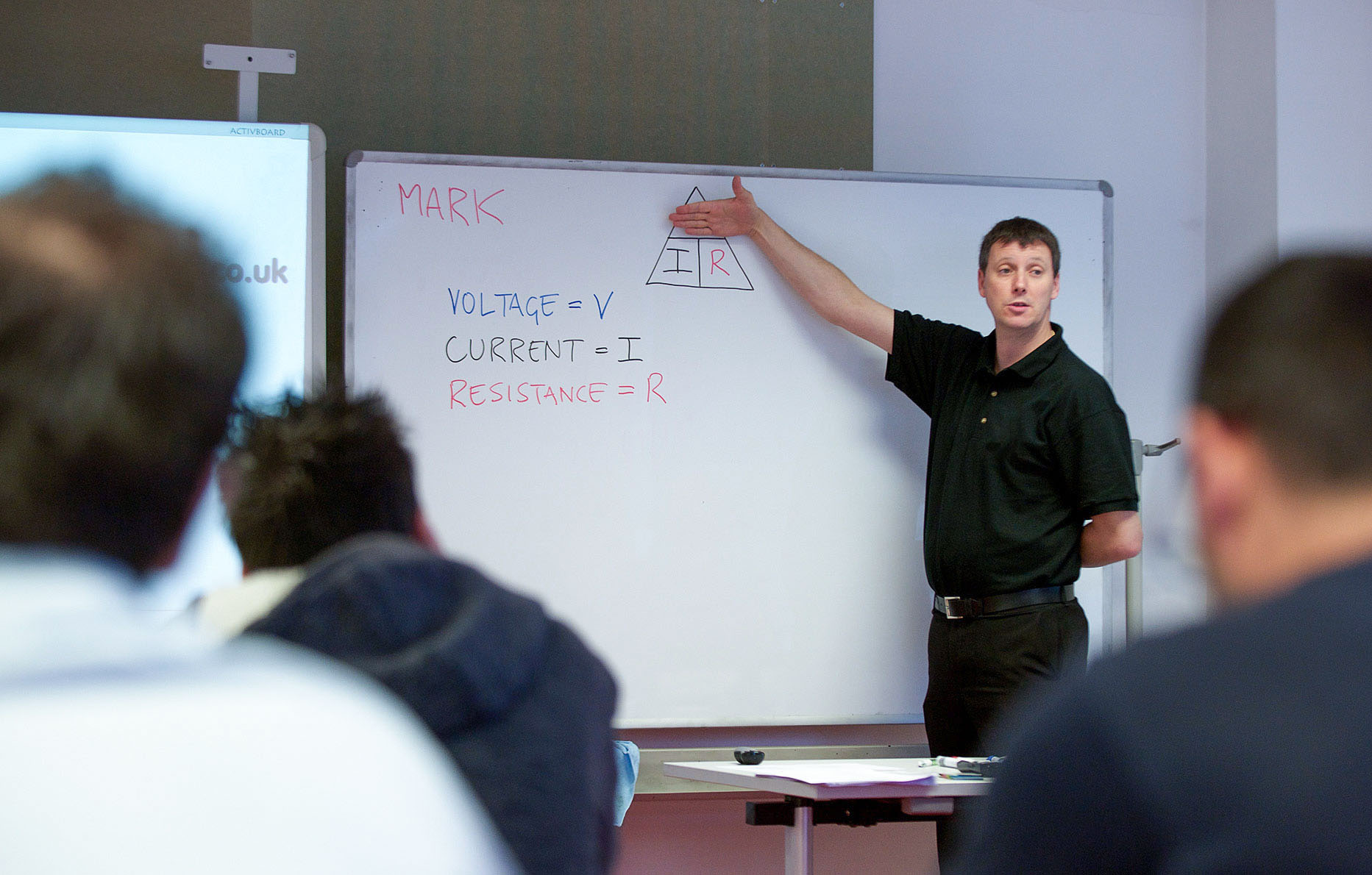
Science & Principles of Electro Technology
£459.00 (£545.00 inc VAT)
£459.00 (£550.80)
Beginner
- STUDY FROM HOME
C&G 2393 Building Regulations & Part P Online Course
£158.00 (£180.00 inc VAT)
£108.33 (£130.00)
Existing Electrician
- 2 Days
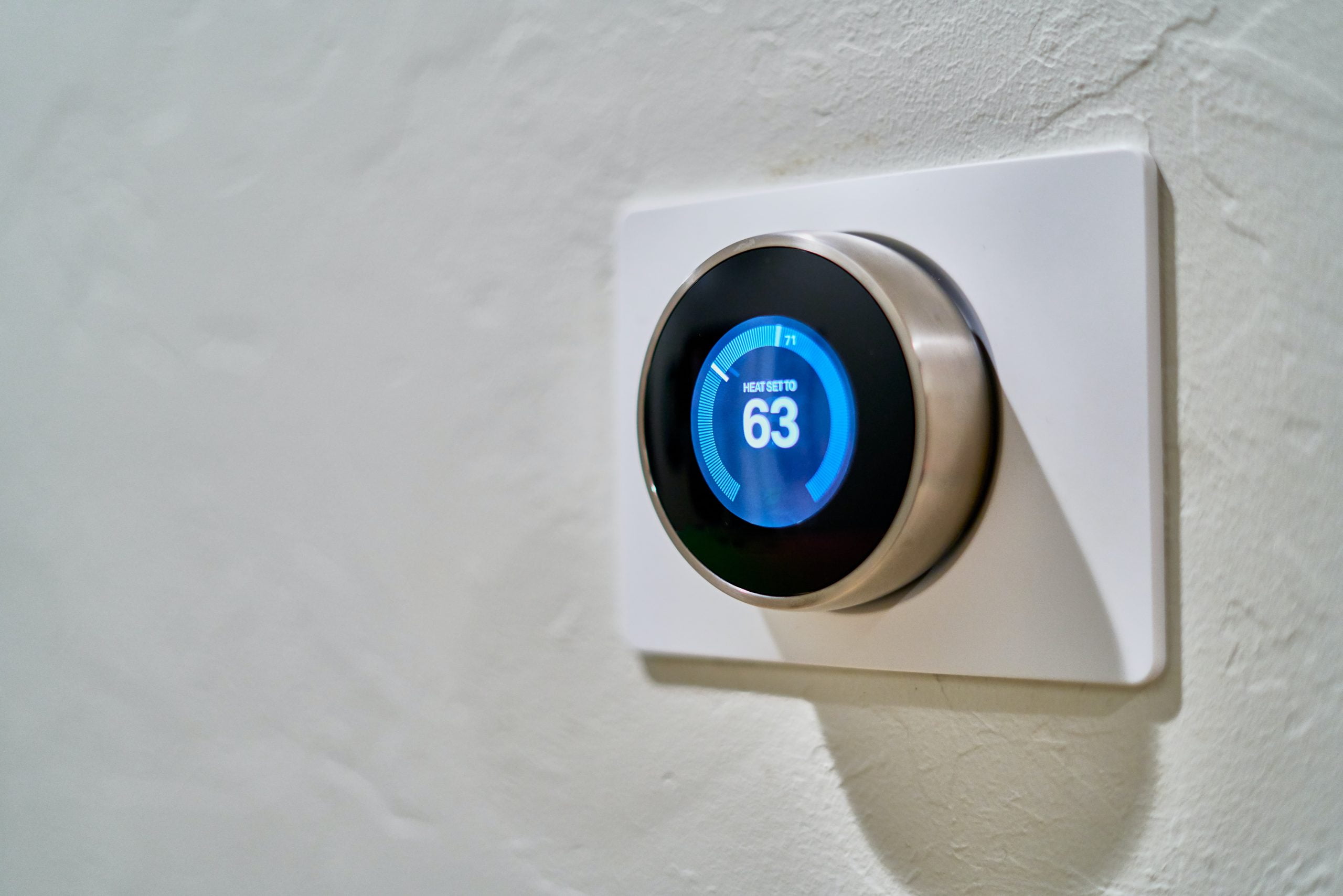
Central Heating Controls Course
£292.00 (£350.00 inc VAT)
£291.67 (£350.00)
Existing Electrician
- 1 Day
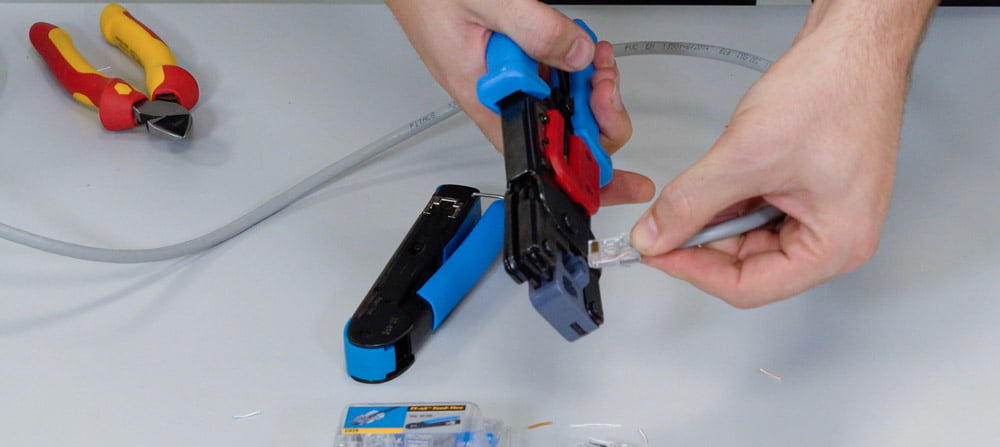
Data Cabling & Structured Wiring Systems Course
£124.00 (£149.00 inc VAT)
£124.17 (£149.00)
Existing Electrician
- 3 Days
Domestic Installer to 5 Steps Bridging Unit
£246.00 (£295.00 inc VAT)
£246.00 (£295.20)
Existing Electrician
- 2 Days
Inspection and Testing Online Refresher Course
£125.00 (£150.00 inc VAT)
£125.00 (£150.00)
Virtual Classroom Training Courses
LV / HV Courses
Train at one of our centres or we can come to you and deliver a tailored course.
FIND OUT MORE
Existing Electrician
- 4 Days
Commercial Low Voltage Authorised Person Course
£913.00 (£1,095.00 inc VAT)
£912.50 (£1,095.00)
Existing Electrician
- 5 Days
LV Authorised Person Course (Healthcare & NHS)
£996.00 (£1,195.00 inc VAT)
£995.83 (£1,195.00)
Existing Electrician
- 3 Days
LV Authorised Person Refresher Course
£696.00 (£835.00 inc VAT)
£579.17 (£695.00)
Fire Alarms & Emergency Lighting
Expand your electrical skills and widen your expertise! Discover our fire alarm systems and emergency lighting systems courses delivered at one of our centres or remotely.
FIND OUT MORE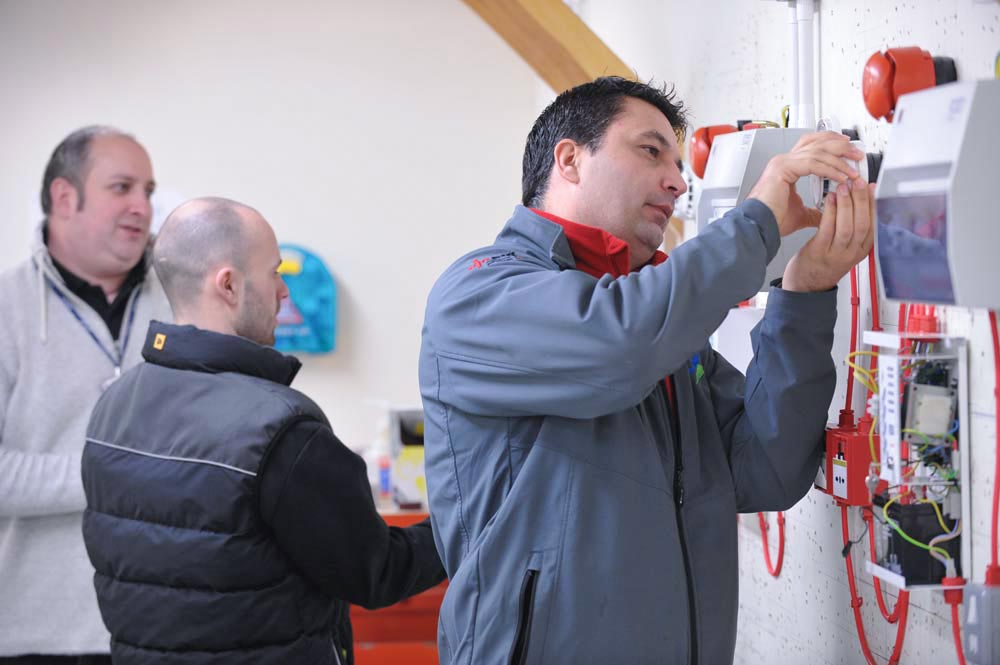
Books
18th Edition Wiring Regulations Book
£89.00 (£89.00 inc VAT)
£89.00 (£89.00)
Private: Code of Practice Electrical Vehicle Charging Equipment Installation, 5th Edition
£87.00 (£87.00 inc VAT)
£87.00 (£87.00)
Private: Code of Practice Electrical Vehicle Charging Equipment Installation, 4th Edition
£83.00 (£83.00 inc VAT)
£83.00 (£83.00)
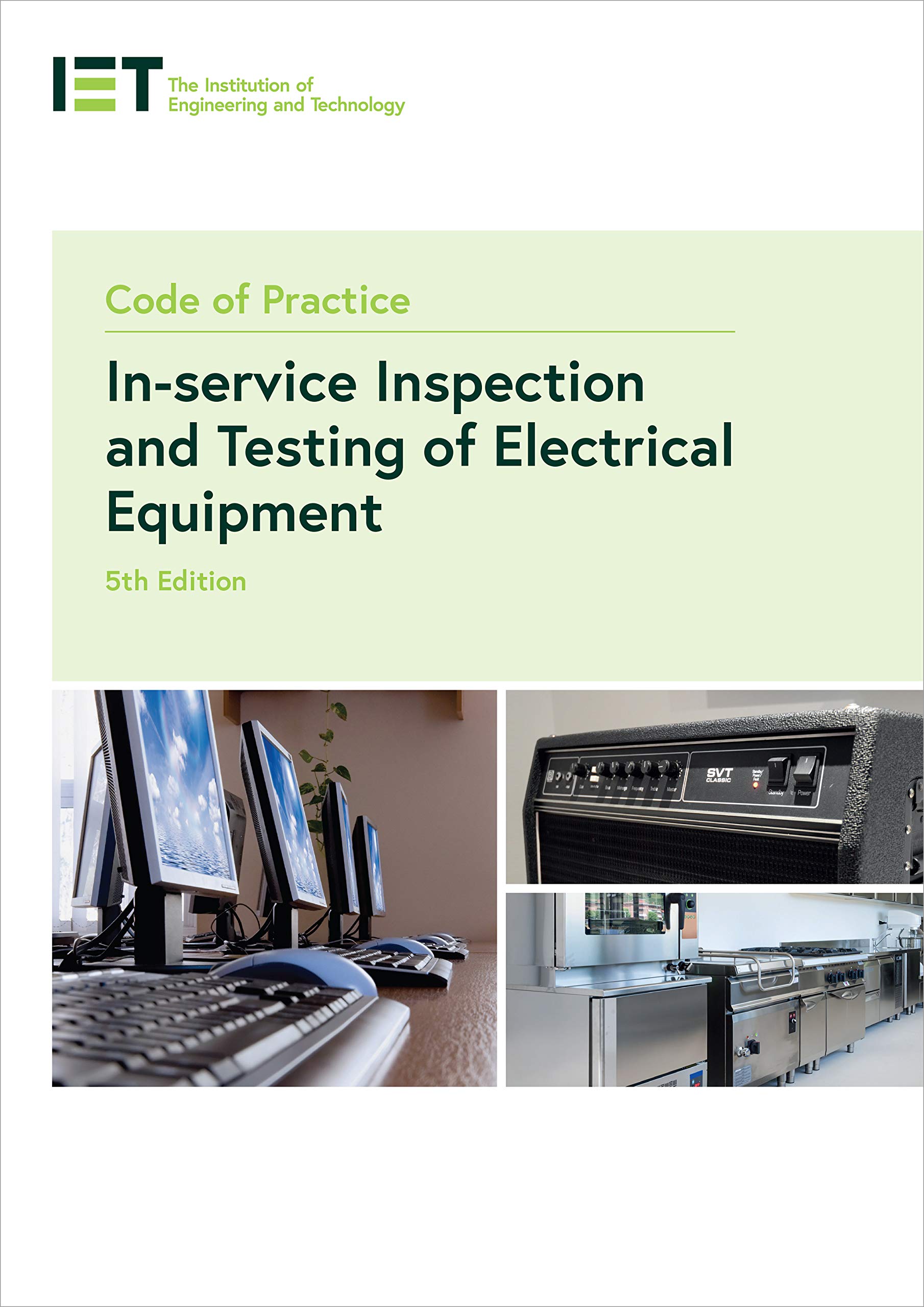
Code of Practice In-Service Inspection and Testing of Electrical Equipment, 5th Edition
£66.00 (£66.00 inc VAT)
£66.00 (£66.00)
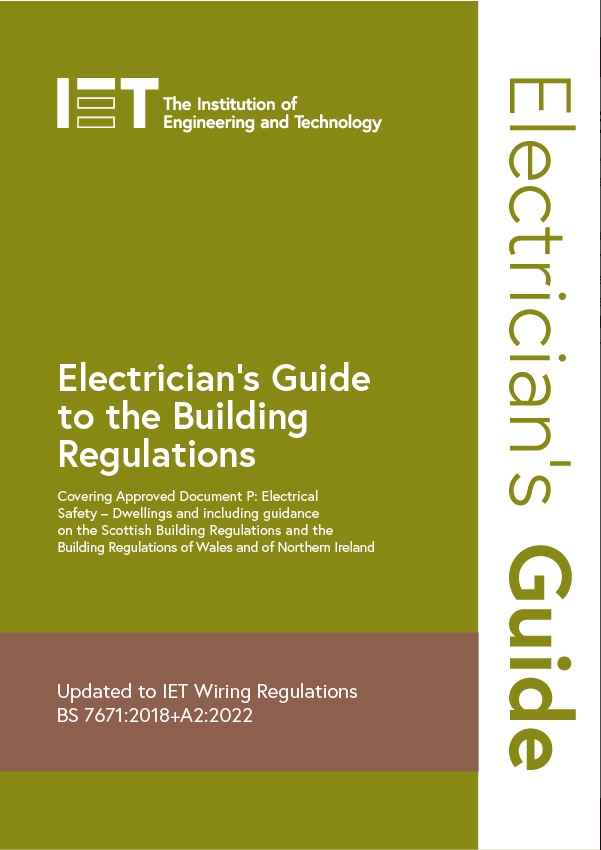
Electrician’s Guide to the Building Regulations, 6th Edition
£28.00 (£28.00 inc VAT)
£28.00 (£28.00)
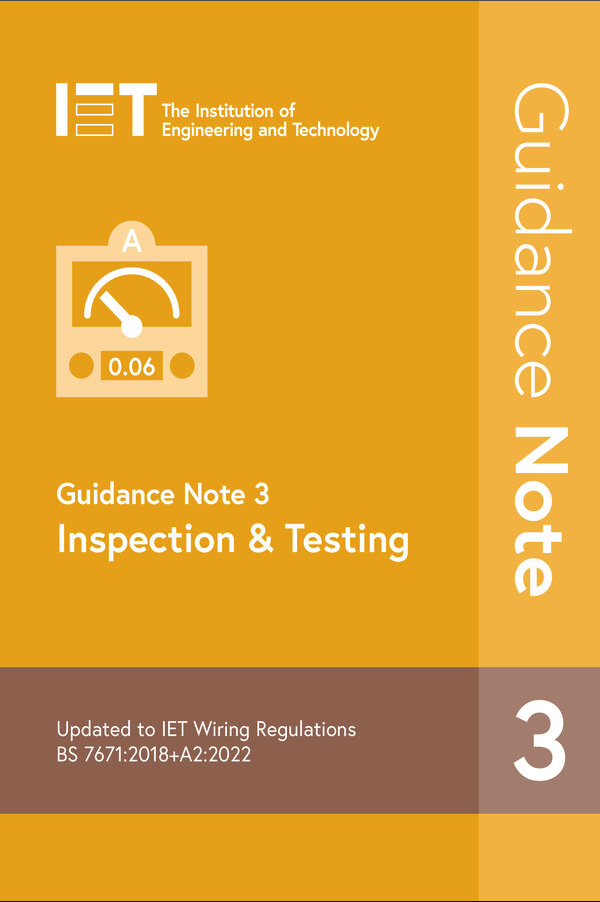
Guidance Note 3: Inspection & Testing, 9th Edition
£37.00 (£37.00 inc VAT)
£37.00 (£37.00)
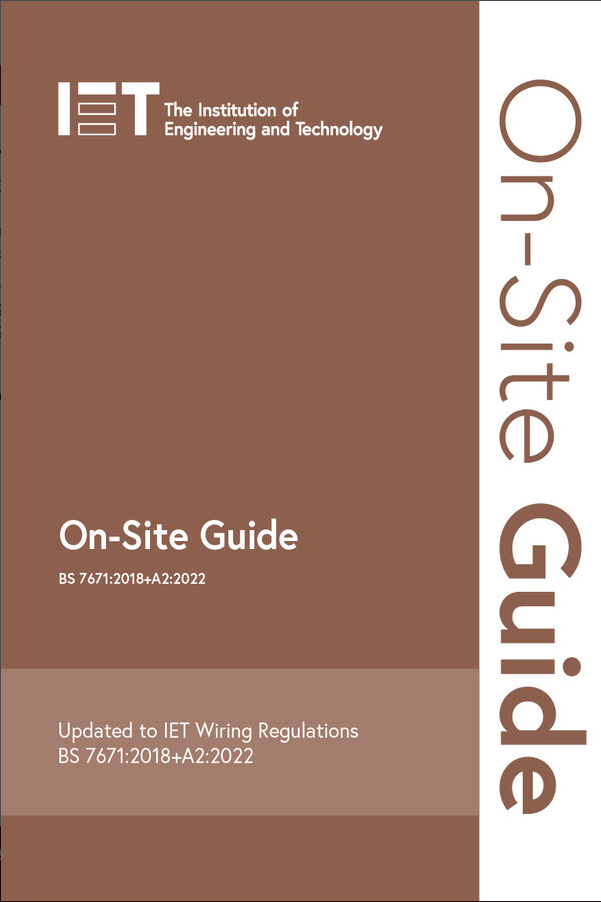
On-Site Guide (BS7671:2022, 8th Edition)
£32.00 (£32.00 inc VAT)
£32.00 (£32.00)
Last year more people passed these City & Guilds electrician courses with us than any other training provider in the UK.
Whether you are just starting out, an experienced electrician or an allied tradesmen we can help you find the right course and get qualified in a quick and effective way. Our course advisors really know their stuff so give us a quick call on 0800 856 4448 for honest straight forward advice. We are the UK’s premier specialist electrical training provider for a reason.