Start Date
Delivery Method
Location
Spaces
Price
 Back
Back
These industry recognised training routes are for anyone new to the industry or experienced persons wanting to complete their electrical training.
These courses are for qualified electricians looking to upskill with further electrical training and green technologies.
These courses provide electrical skills for those working under supervision, associated tradespersons and other specialist training
These online courses allow you to work at your own pace
Back
If you are over 16, live in the UK and are employed you could be eligible for a funded apprenticeship
Skills Bootcamps offer flexible courses of up to 16 weeks that can vastly reduce the cost of training with us and in some cases, fully fund it.
Back
We are hiring, explore all the fantastic career opportunities at City & Guilds Training
 Become a Qualified Electrician
 BESTSELLER
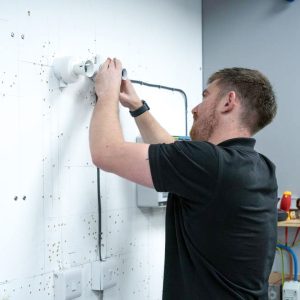
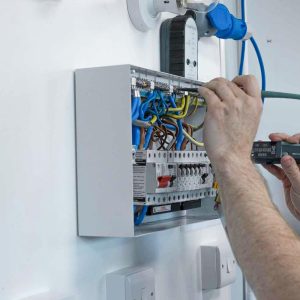
Step 1 of the 4 Steps Programme opens the door to a brighter future working as an electrician. You’ll start developing essential skills in domestic wiring, fundamental technical theory, Building Regulations, Inspection & Testing and Wiring Regulations.


 QUALIFICATION
Level 3 Award in Requirements for Electrical Installations BS7671:2022 (2382-22) and
Certificate of Completion
 ENTRY REQUIREMENTS
No formal entry requirements
 DELIVERY METHODS
18 Days over 4 Weeks
In Centre, Virtual Classroom Training, e-Learning
PRICE
QUALIFICATIONLevel 3 Award in Requirements for Electrical Installations BS7671:2022 (2382-22) and
Certificate of Completion
ENTRY REQUIREMENTSNo formal entry requirements
DELIVERY METHODS18 Days over 4 Weeks
In Centre, Virtual Classroom Training, e-Learning
PRICE
 Month
Month
 Month
Month
 Delivery Method
Delivery Method
Delivery Method
 Location
Location
Location
FREE TRIAL AVAILABLE
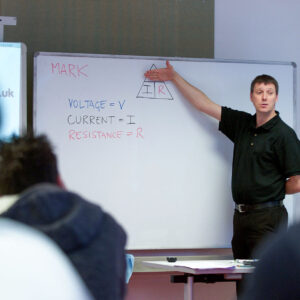
This eLearning unit has been designed to give you an overview of fundamental electro-technology. You will be given access to an eLearning package to support your learning on Step 1.
FREE TRIAL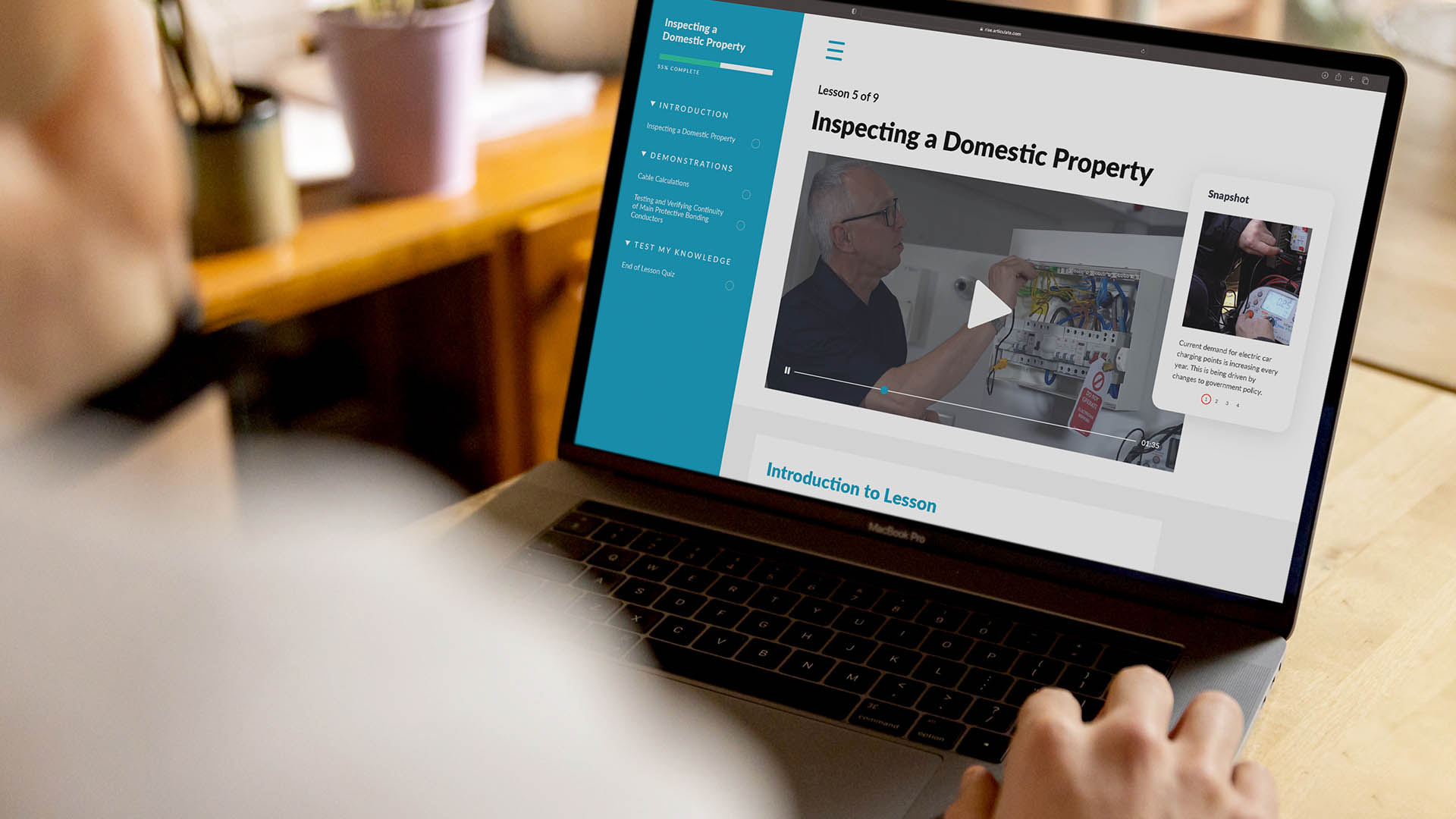
 Course format - Step 01
A complete foundation in electrical installation, the perfect starting point for anyone new to the industry wanting to become a registered electrician.
The first step of our 4 steps programme and one of our most popular courses. The course breaks down as follows:
FlexibilityYou can choose to complete these classes consecutively, or over a longer period of time.
If you would like to discuss flexible options give us a call on 01293 529777 with your preferred dates.
Did you know? You can book Steps 1-3 as a full package, allowing you to complete the full C&G 2365 Level 2 and 3 Diploma.
This Step 1-3 course package contains the following qualifications:
This course package is designed to give you the skills to find employment in this growing industry. If you want to work unsupervised you will need to complete our full 4-step programme including an NVQ.
If you find employment, don’t forget you can also transfer to one of our funded apprenticeships to complete your training.
Course format - Step 01A complete foundation in electrical installation, the perfect starting point for anyone new to the industry wanting to become a registered electrician.
The first step of our 4 steps programme and one of our most popular courses. The course breaks down as follows:
The knowledge you gain during Step 1 will count towards your C&G 2365 Level 2 Diploma in Electrical Installations which is completed in Step 2.
Qualifications gained in Step 1:
FlexibilityYou can choose to complete these classes consecutively, or over a longer period of time.
If you would like to discuss flexible options give us a call on 01293 529777 with your preferred dates.
Most learners who complete Step 1 progress to Step 2 to complete the Level 2 Diploma in Electrical Installations, however, you could also consider the following:
Did you know? You can book Steps 1-3 as a full package, allowing you to complete the full C&G 2365 Level 2 and 3 Diploma.
This Step 1-3 course package contains the following qualifications:
Exams & Assesments We have average first-time pass rates of over 90% on this course. You will take a variety of practical, formative and summative assessments on this course as well as online multiple-choice exams.
Please note that you must bring photographic ID such as a passport or driving license with you in order to sit the assessments on this course. Exams for remote learning can be booked via student services once you are ready. In-centre exams take place at the end of each week.
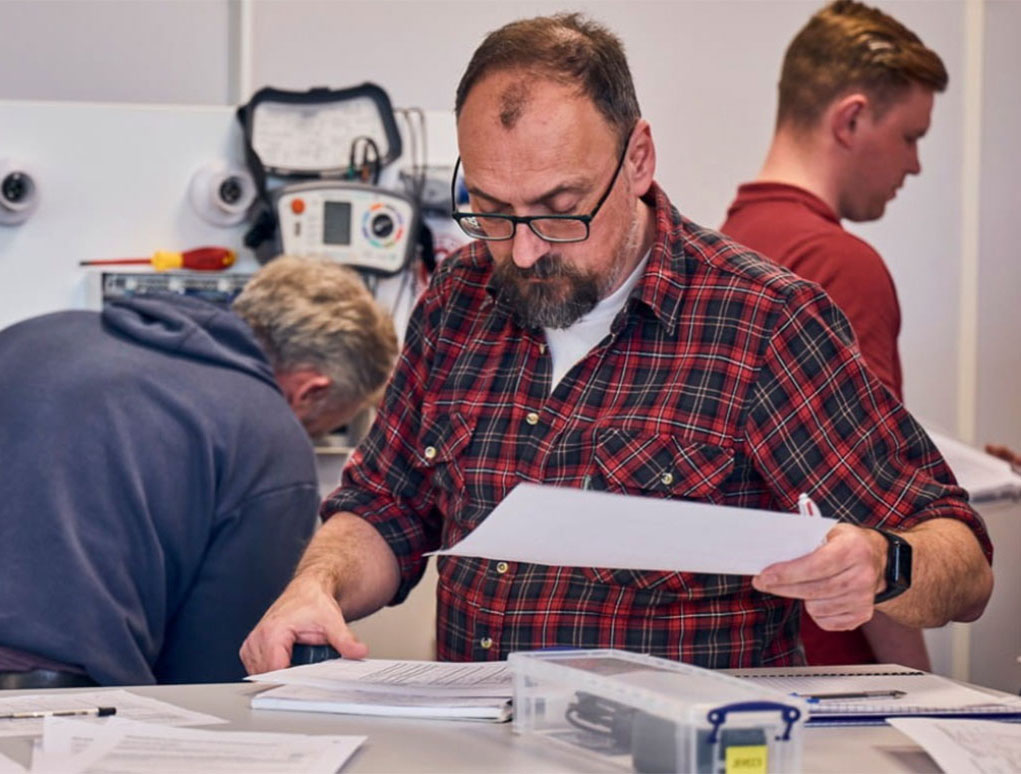
BOOKS
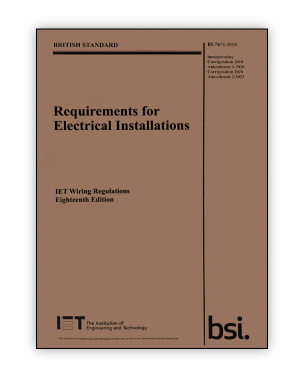
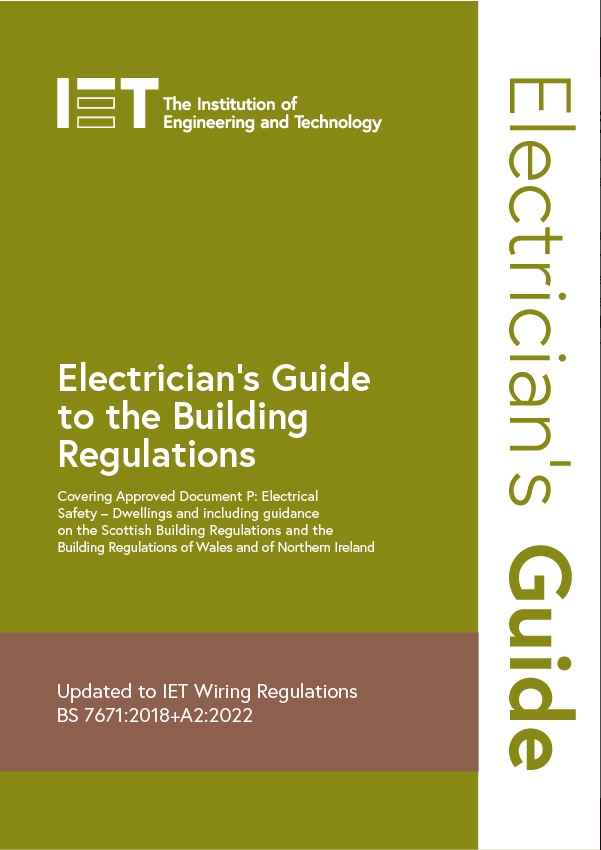
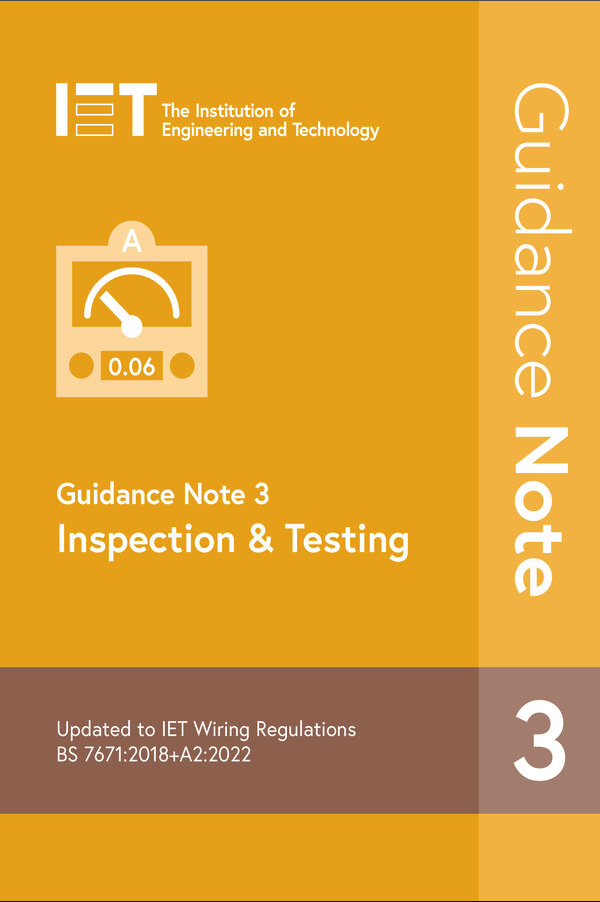
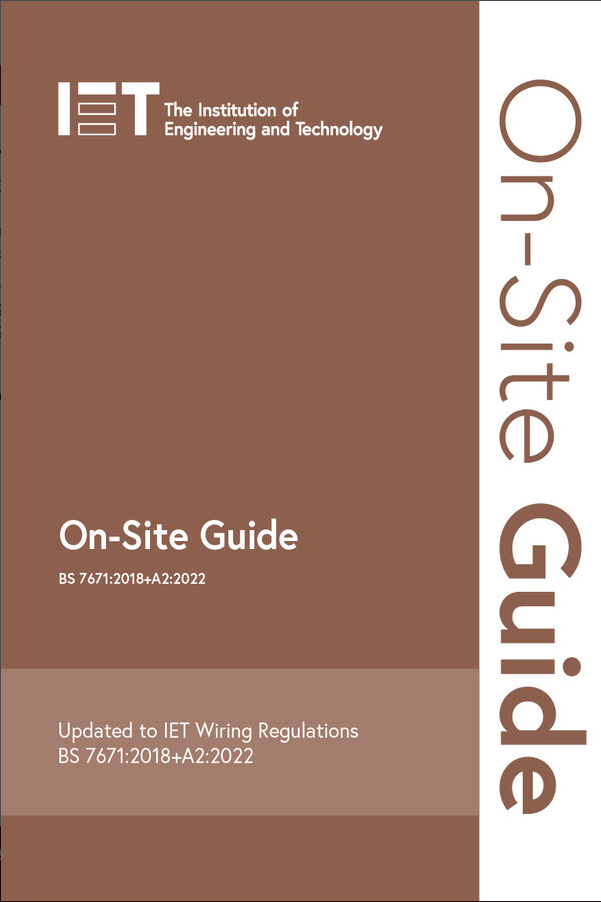
You will need to purchase the following textbooks in order to complete this course:
DOMESTIC ELECTRICAL COURSE
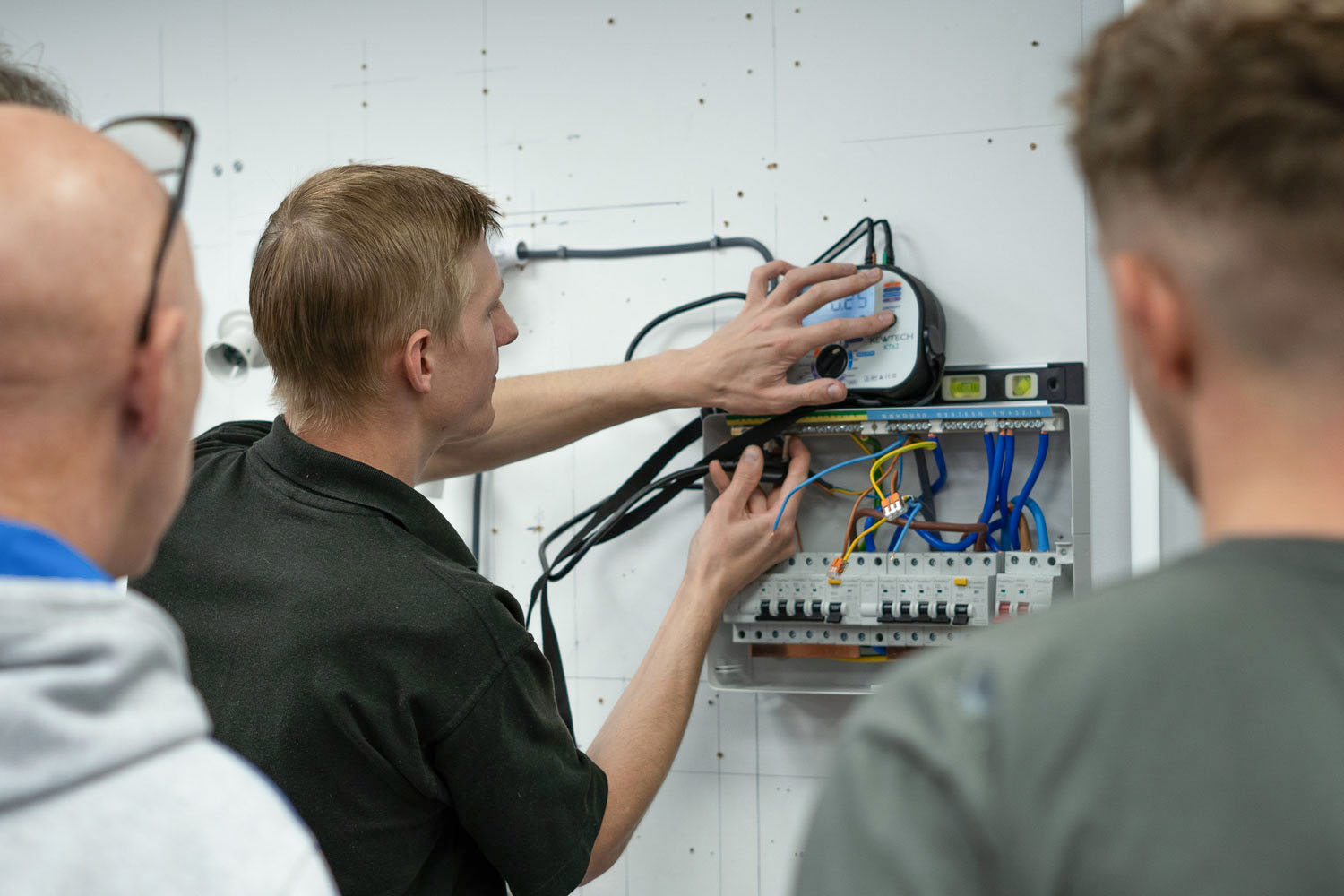
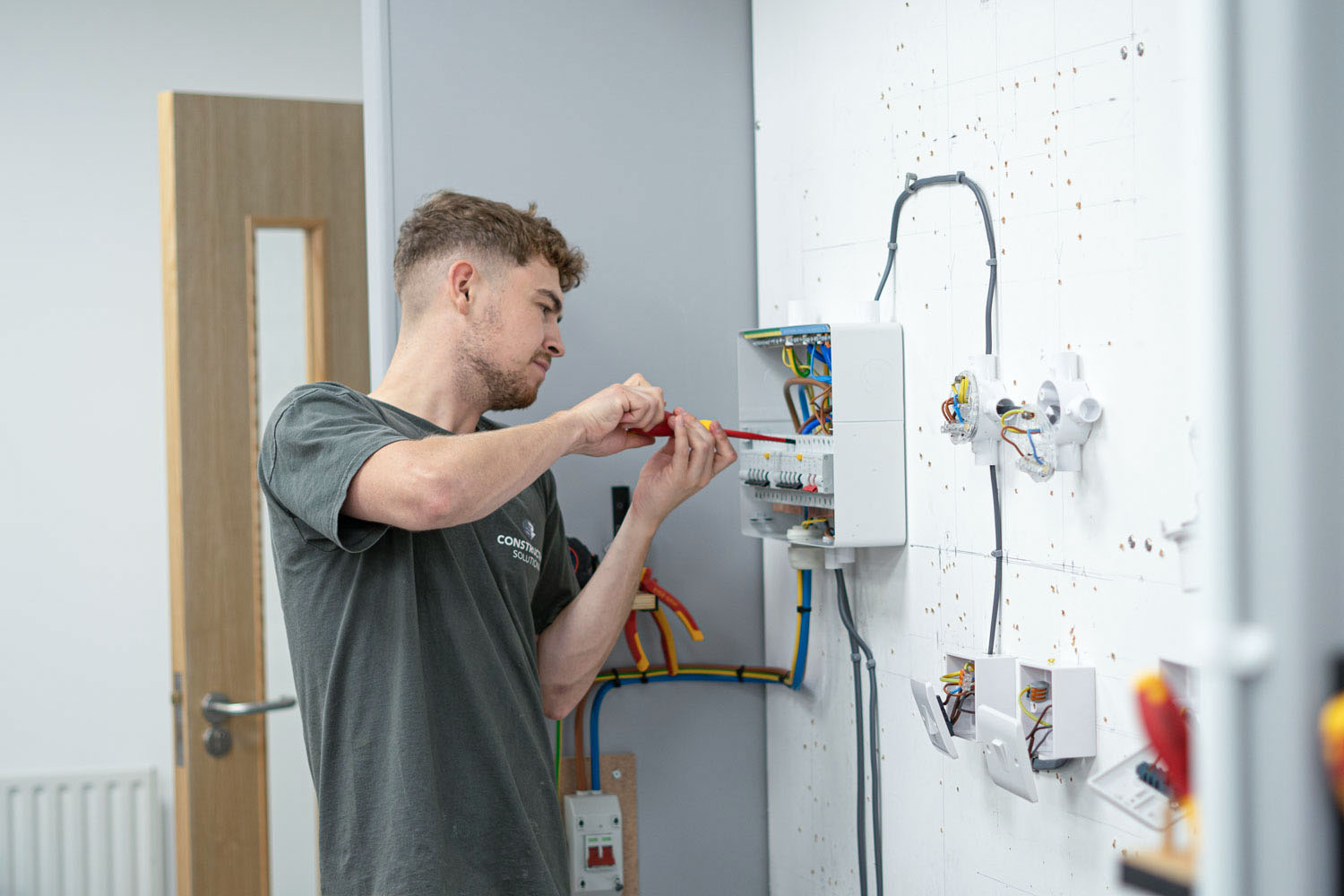
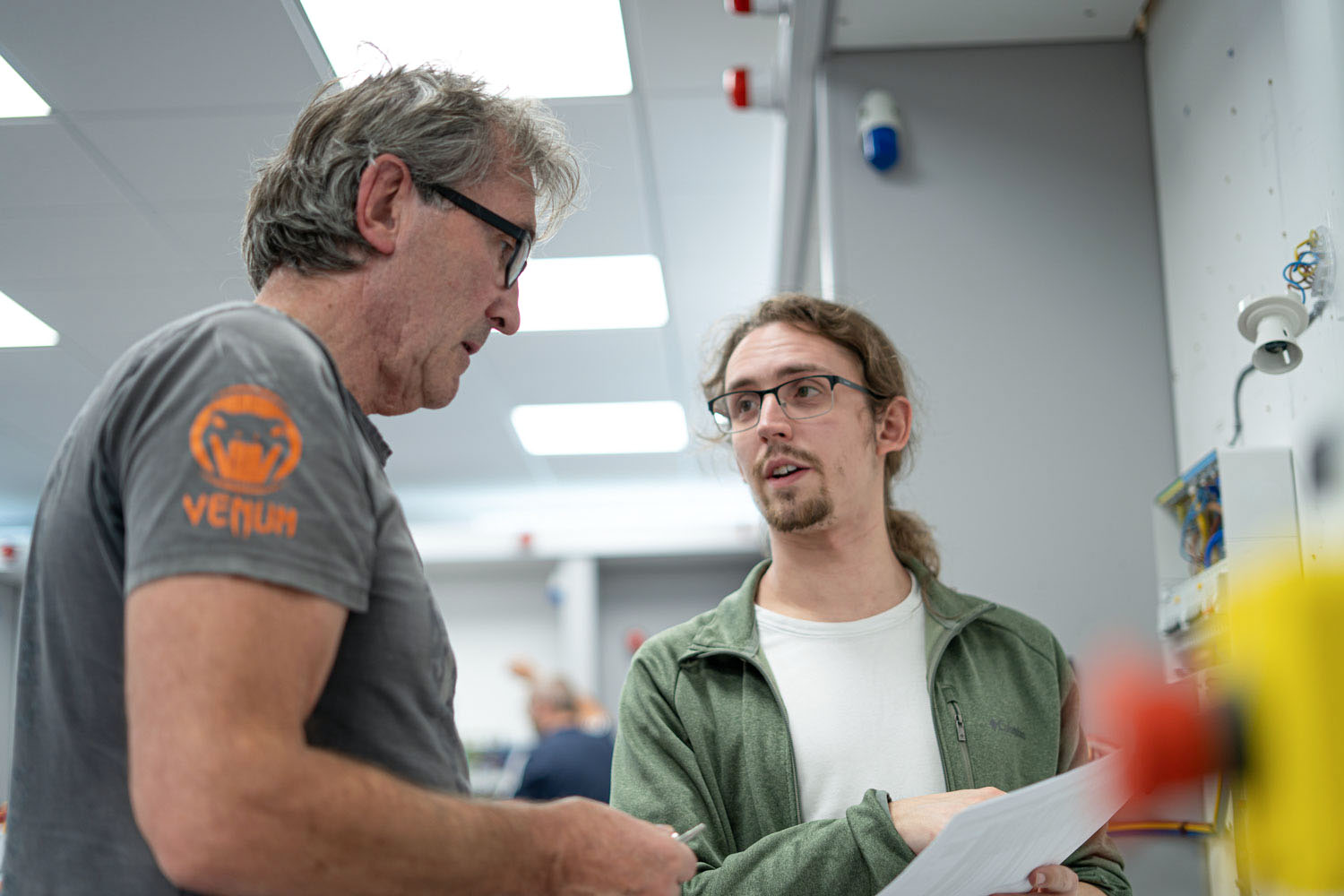
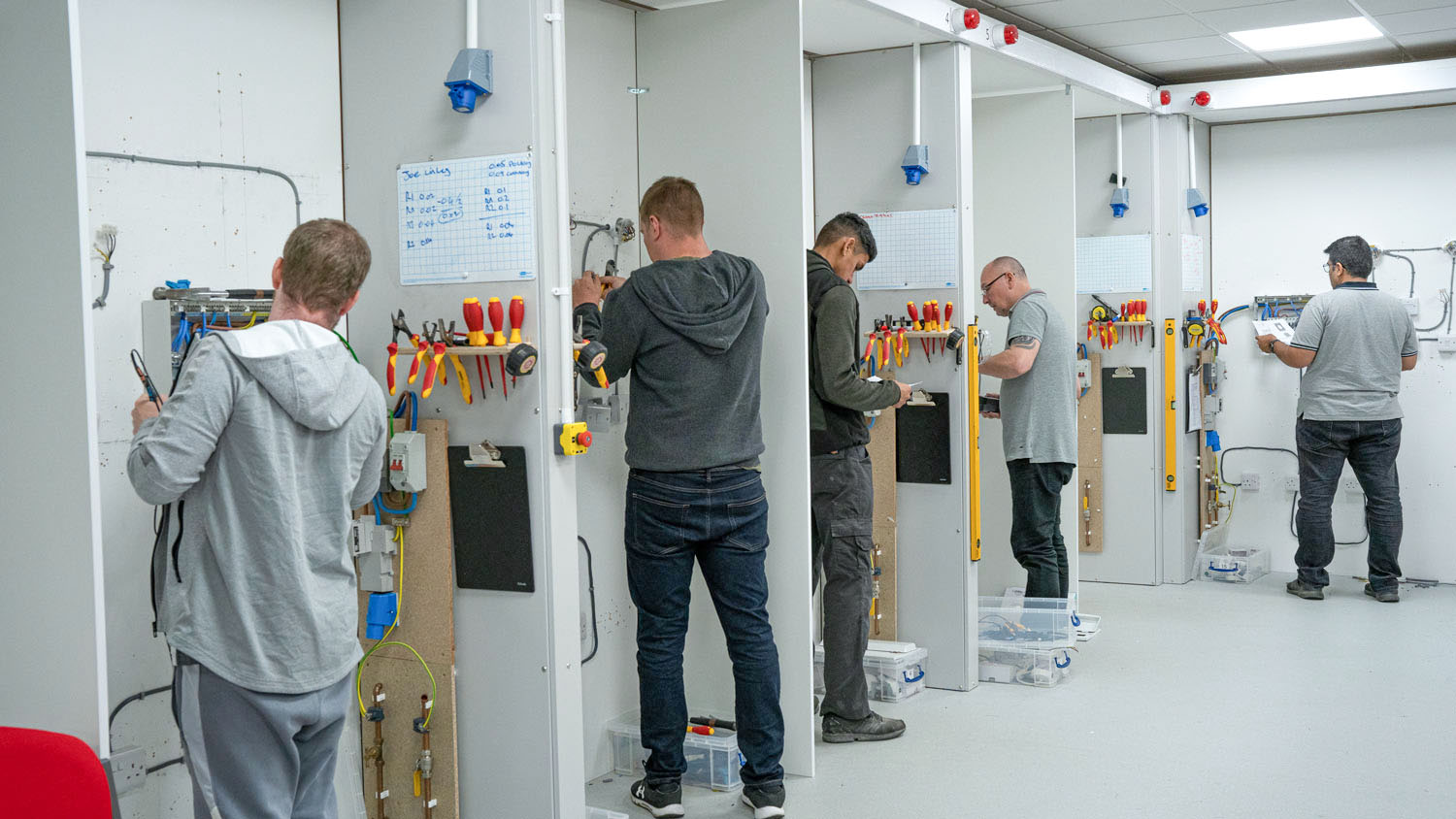
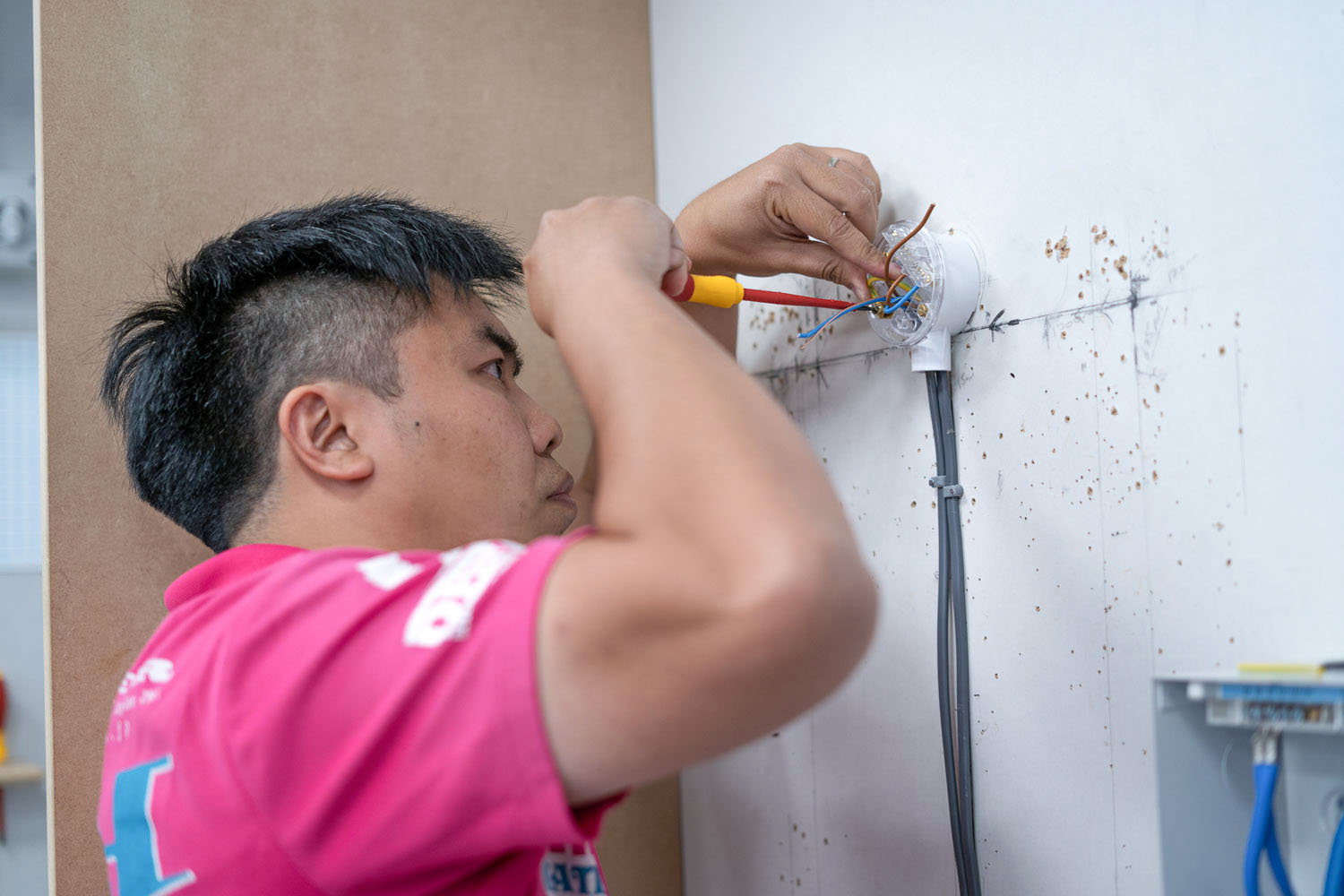
During the Step 1 Course, Mike reflects on his previous career as an HGV driver. Mike searched for our training centres online and found our Warrington training centre was most suitable for him. Mike is finding the course challenging, enjoyable and rewarding. Mike is looking forward to completing his electrical training and working in the electrical industry.
By the end of this Step 1 course, Mike will develop skills in electrical installation and could choose to work with an electrician as an ‘electrician’s mate’ or advance to Step 2 to continue his journey to becoming a qualified electrician. To view more testimonials and case studies please click here.

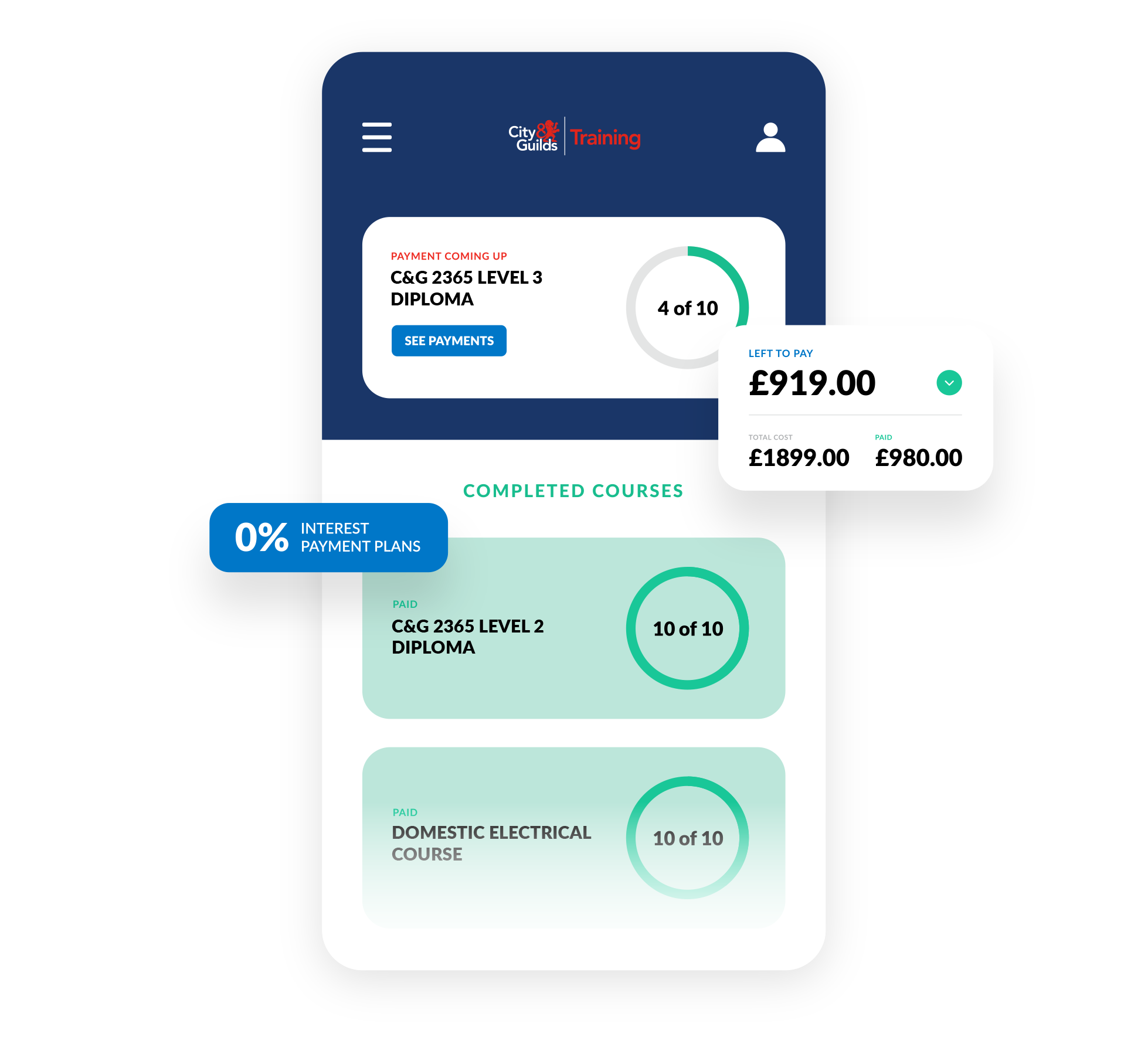
We understand that some of the courses can be difficult to pay all at once, therefore, on our longer courses you can Pay As You Train, which means you pay week by week interest-free.
Pay As You Train is only available on our longer courses. Typically we will agree on a payment plan with you, where you will pay a deposit, and then pay a set amount 21 days before each class start date.


RELATED COURSES
Beginner
£3,509.00 (£4,174.00 inc VAT)
£0.00 – £3,692.50 (£0.00)


Beginner
£2,721.00 (£3,221.00 inc VAT)
£0.00 – £36,800.00 (£0.00)
Beginner
£1,677.00 (£1,999.00 inc VAT)
£1,609.00 (£1,930.80)
Existing Electrician
£608.00 (£720.00 inc VAT)
£547.92 (£657.50)

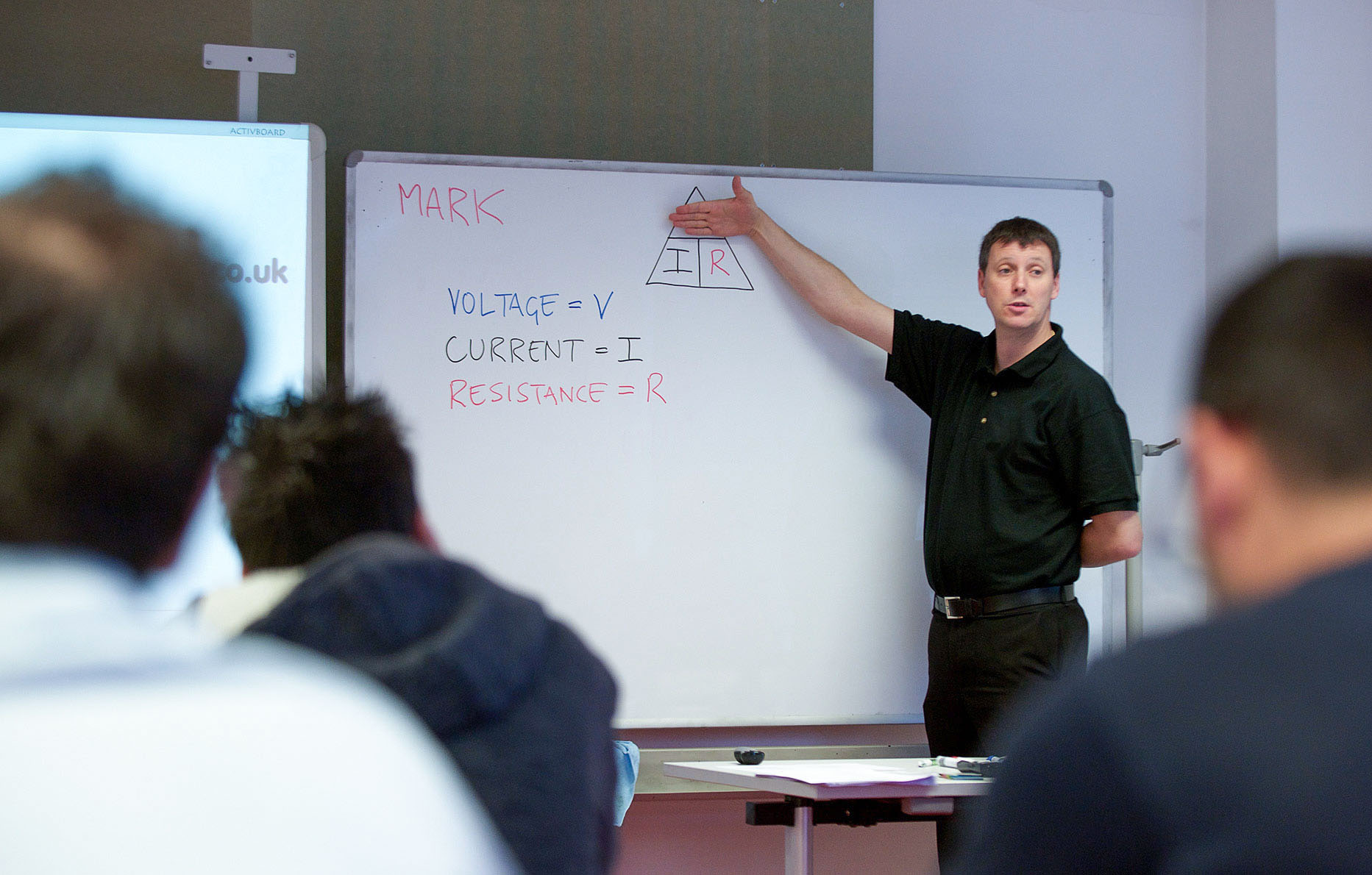
Beginner
£459.00 (£545.00 inc VAT)
£459.00 (£550.80)

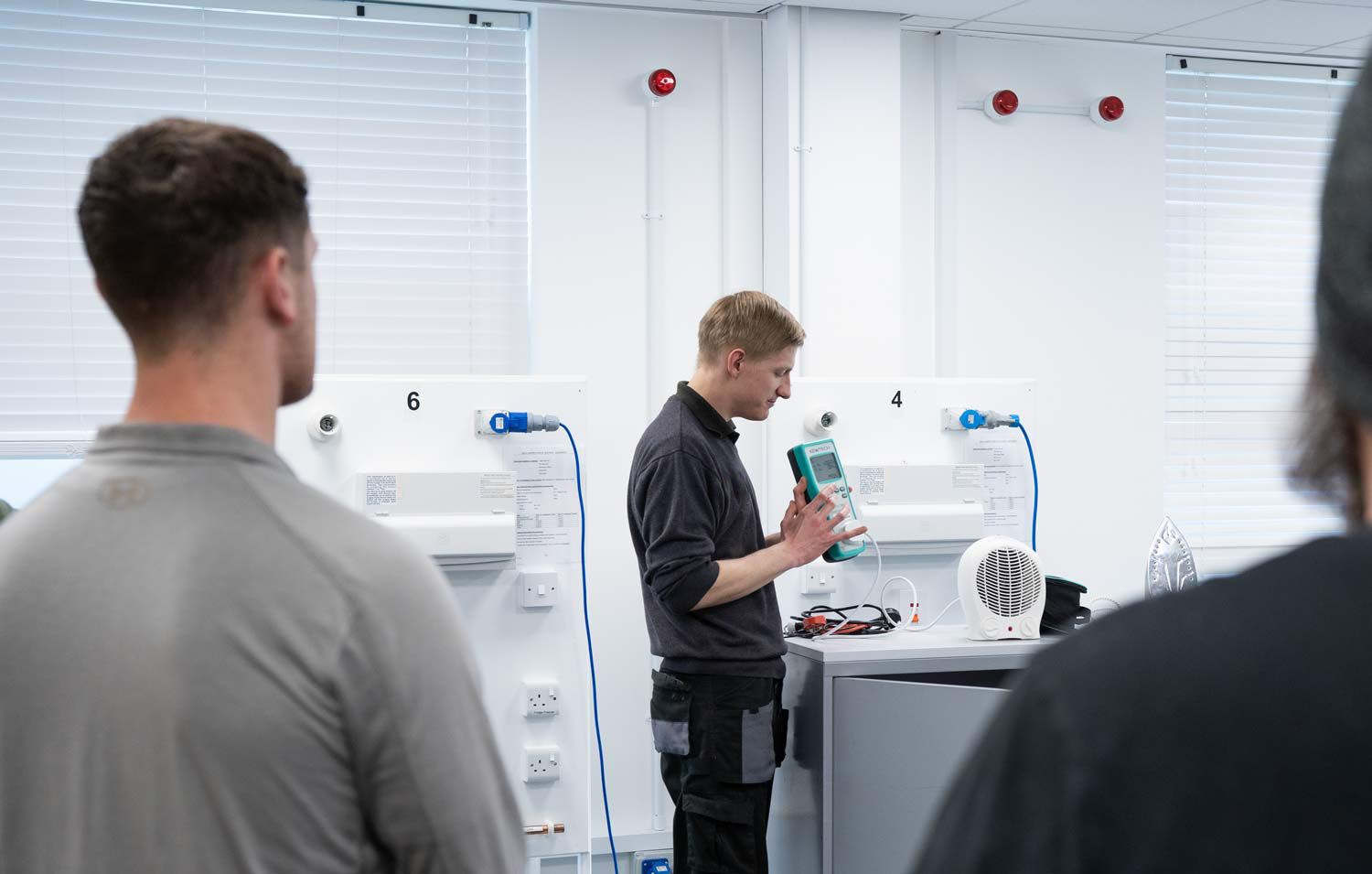
Beginner
£429.00 (£499.00 inc VAT)
£348.33 (£418.00)
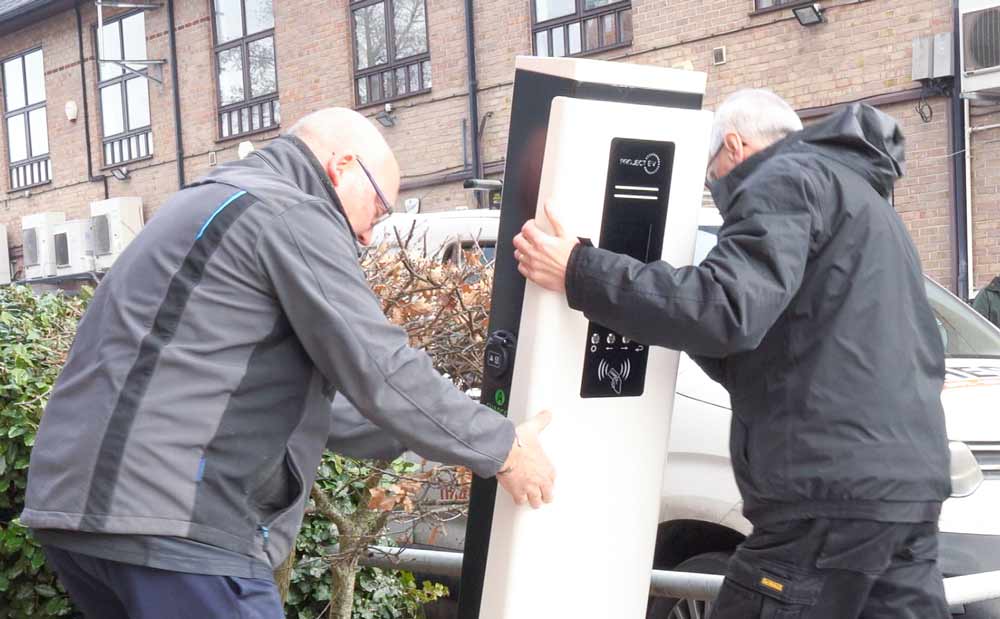
Existing Electrician
£340.00 (£395.00 inc VAT)
£275.00 (£330.00)

You can choose to complete these classes consecutively, or over a longer period of time.
If you would like to discuss flexible options give us a call on 01293 529777 with your preferred dates.
Yes, you can. You will need to pay a deposit and we can arrange interest-free instalments over the length of your course.
Our Step 1 course will give you fundamental knowledge to kick-start your electrical training. After Step 1 you can choose to work with an electrician as an electrician’s mate, or you can continue your electrical training. To become an electrician you will need to complete all 4 steps, including your AM2 assessment. At this point, you will be recognised as a qualified electrician and eligible to apply for an ECS Gold Card.
Many electricians join competent person schemes (CPS) as it is usually a more convenient and cost-effective way to notify Building Control of completed work. You can undertake notifiable and non-notifiable work without being registered with a CPS and whilst there are obvious business benefits to joining such schemes, they are not mandatory.
You will not be able to join a CPS until you have completed your training including NVQ and AM2.
The best way to get experience is to work with a local electrician or business. If you find suitable employment during any stage of your training don’t forget you can switch to our funded apprenticeship route.
When you have completed Step 1 you may choose to:
Notifiable work is a term used to describe particular types of electrical work that are subject to compliance with Building Regulations notification or approval.
Electrical work in a dwelling (England), or associated with its surroundings, is notifiable to a local building control body where the work includes:
*A special location is generally a room containing a bath or shower, swimming pool or sauna heater.
For more information please refer to Approved Document P
OUR CENTRES OF EXCELLENCE
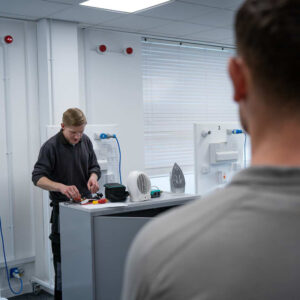
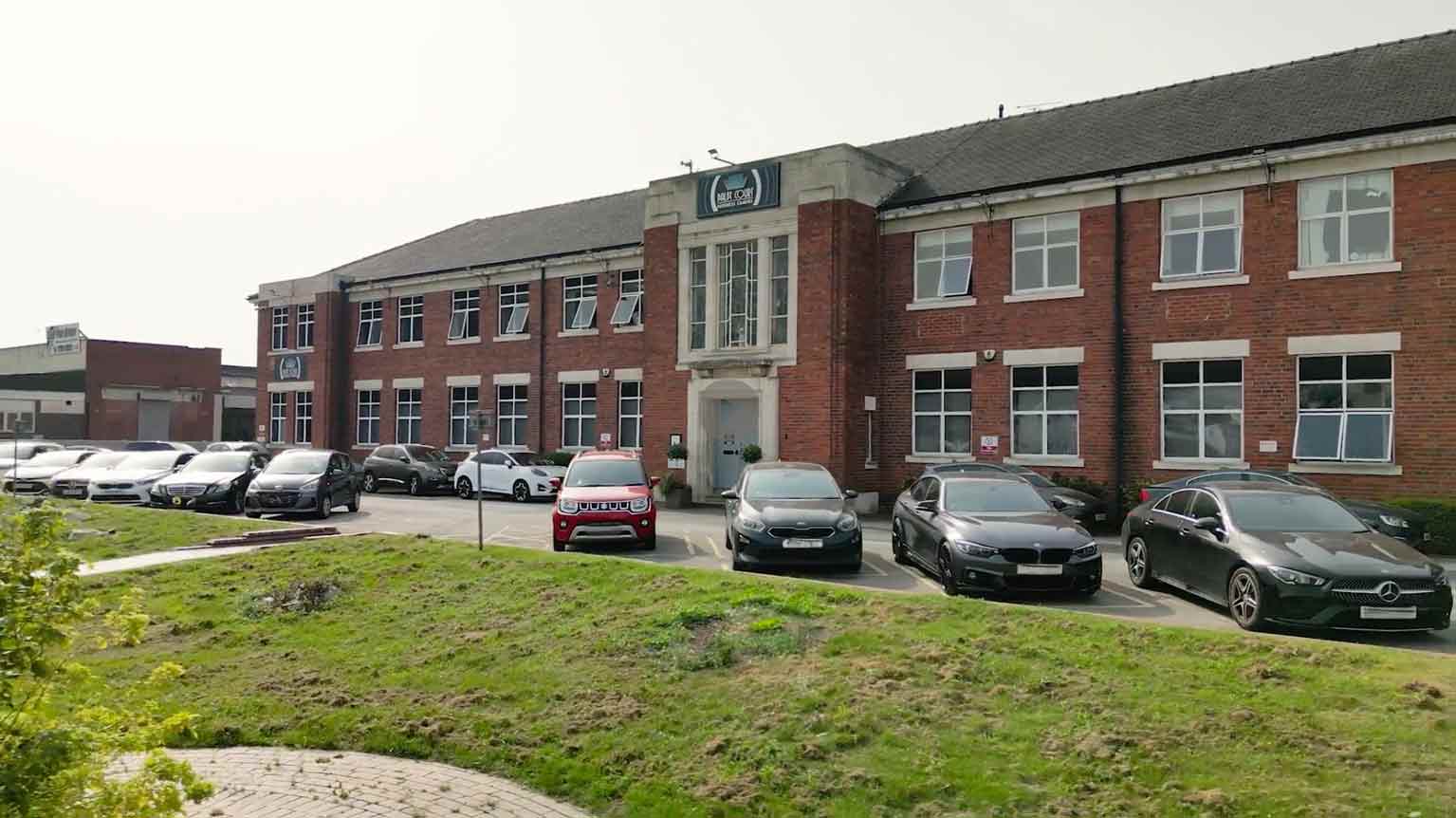
Our Mitre Court and Explorer 2 Facilities are just 2 minutes south of Gatwick Airport. They are comfortable, light and airy environments in which students can learn a wide range of practical and theory based skills.
Our brand new centre opened in July 2019 offering a full range of electrical courses for those based in Birmingham, Coventry, Leicester, Northampton and all over the midlands region.
Our Northern training facility is situated just off Junction 10 of the M62 at Birchwood Park and is very accessible from towns such as Warrington, Manchester, Liverpool and Chester.
Phoenix House has raised the bar for electrical training centres in the UK. It’s situated east of Leeds, just off of the M1 / A1. This makes it easily accessible from Leeds, Sheffield, Hull, York, Harrogate and all over Yorkshire.
Our centre in Central London is based right next to the old bailey, Smithfield Market and St Barts Hospital. We currently only offer electrical courses for experienced electricians from Central London.
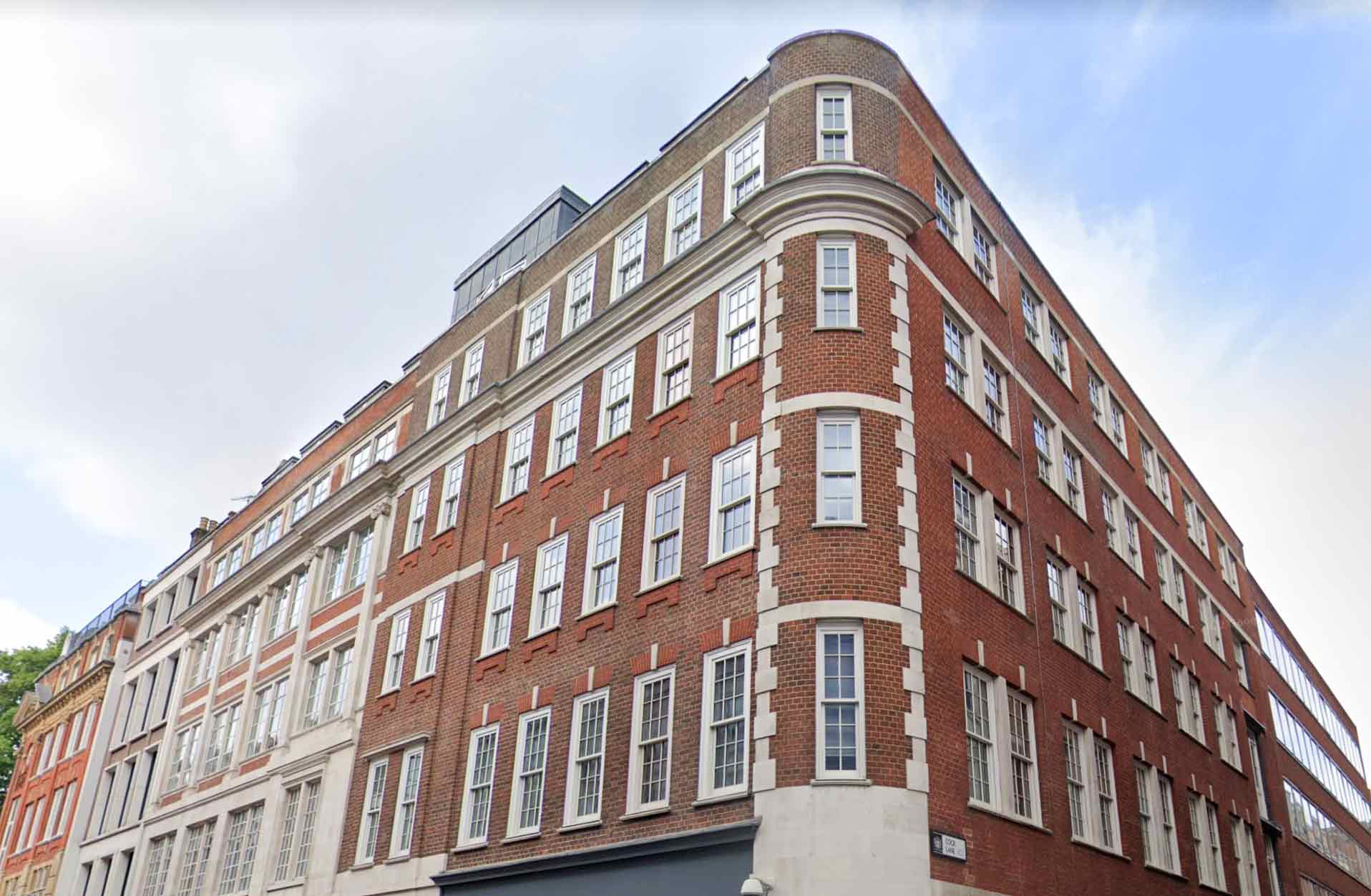
Doncaster
Our Doncaster training centre features bright and airy, multi-purpose training rooms aimed at delivering state-of-the-art electrical training across South Yorkshire.
£275.00
OUR CENTRES OF EXCELLENCE
Our Mitre Court and Explorer 2 Facilities are just 2 minutes south of Gatwick Airport. They are comfortable, light and airy environments in which students can learn a wide range of practical and theory based skills.
Our brand new centre opened in July 2019 offering a full range of electrical courses for those based in Birmingham, Coventry, Leicester, Northampton and all over the midlands region.
Our Northern training facility is situated just off Junction 10 of the M62 at Birchwood Park and is very accessible from towns such as Warrington, Manchester, Liverpool and Chester.
Phoenix House has raised the bar for electrical training centres in the UK. It’s situated east of Leeds, just off of the M1 / A1. This makes it easily accessible from Leeds, Sheffield, Hull, York, Harrogate and all over Yorkshire.
Our centre in Central London is based right next to the old bailey, Smithfield Market and St Barts Hospital. We currently only offer electrical courses for experienced electricians from Central London.
Doncaster
Our Doncaster training centre features bright and airy, multi-purpose training rooms aimed at delivering state-of-the-art electrical training across South Yorkshire.





CALL US
0800 856 4448OPENING TIME
8.30am to 5.00pm Monday to Thursday
8.30am to 4.30pm Friday
Calling from abroad? +441293 529777
FOLLOW US



 Back
Back